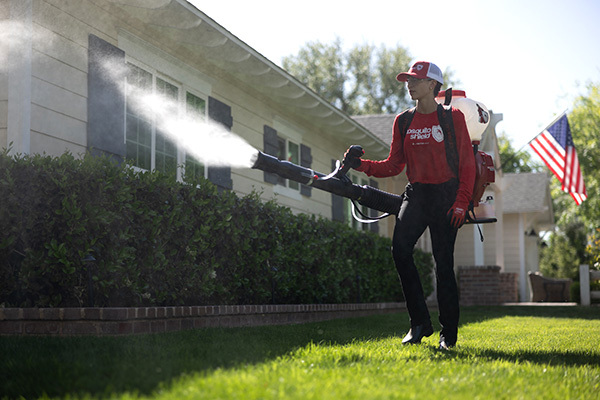
Experience relaxation and peace in your backyard with our proven mosquito control solution. Trusted by families in Kings Park, our innovative approach not only repels mosquitoes but also establishes a durable barrier customized to your outdoor environment. Mosquito Shield of Suffolk County is dedicated to creating mosquito-free zones, so you can enjoy your outdoor spaces without interruption.
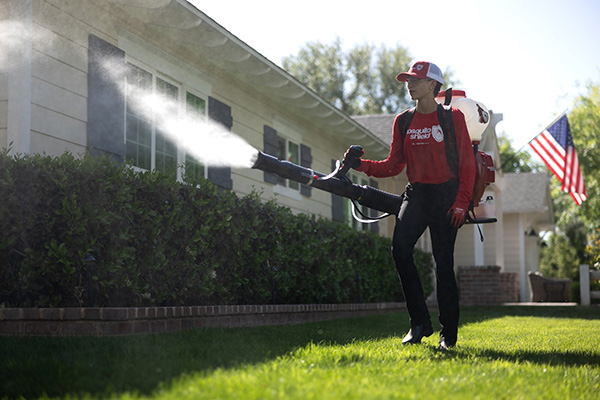
Effective mosquito control in Kings Park, NY, that drives mosquitoes away and keeps them out of your yard.

Enjoy mosquito-free outdoor time in Kings Park with treatments designed to provide lasting results.
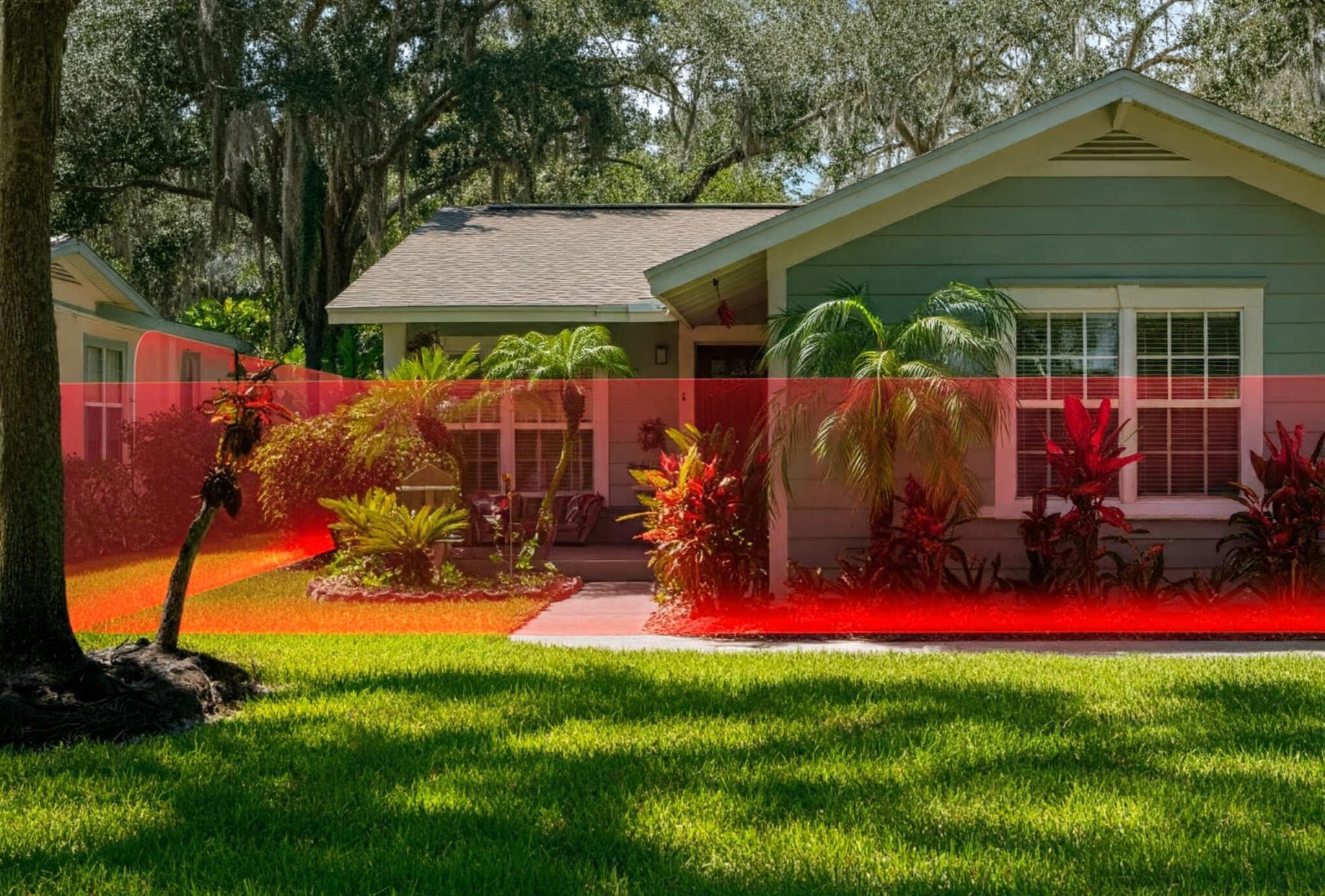
Highly rated mosquito control services in Kings Park, trusted by residents to enhance outdoor living.


Kings Park, New York, is a hamlet in the Town of Smithtown on Long Island’s North Shore, bordered by the Nissequogue River and Smithtown Bay. The community includes residential neighborhoods, a traditional downtown along Route 25A, and access to Nissequogue River State Park and Sunken Meadow State Park with their tidal wetlands, coves, and wooded bluffs. This combination of riverfront, marsh, and suburban development creates conditions where mosquitoes and ticks can remain active through much of the warmer season.
Riverside low spots, marsh edges, stormwater basins, and shaded grassy areas near parks and trails provide environments where mosquitoes breed, while wooded hillsides and brushy property borders offer cover where ticks can thrive.
Residents may face mosquito-borne illnesses such as West Nile Virus and Eastern Equine Encephalitis, along with tick-borne diseases including Lyme disease and Rocky Mountain Spotted Fever. Preventive steps help maintain safer outdoor areas and reduce pest activity around homes, playgrounds, and waterfront access points.
Effective homeowner strategies include:
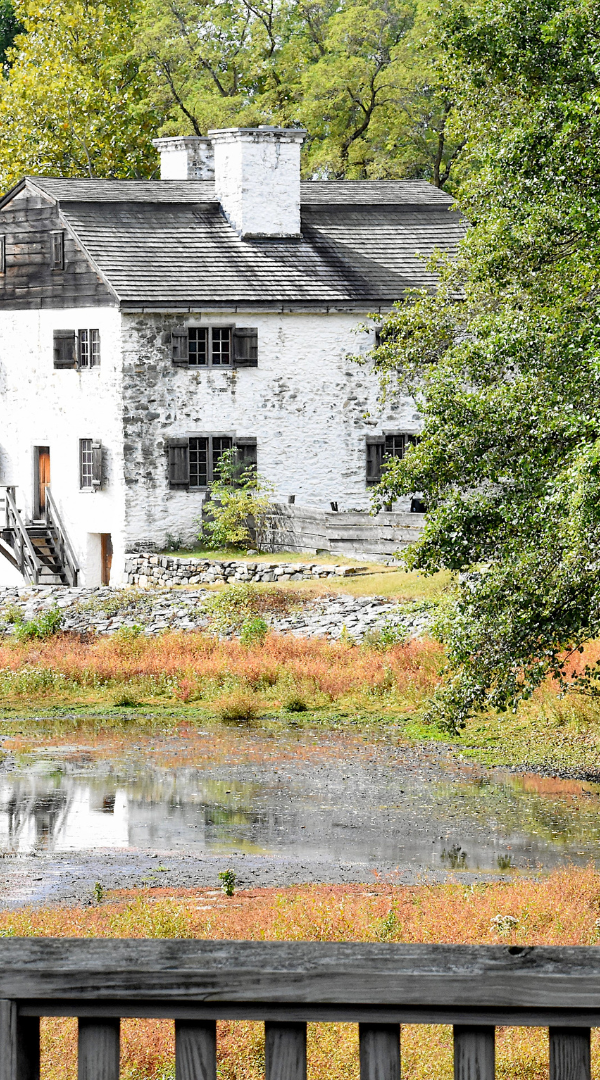
The weather in Kings Park reflects the North Shore of Long Island’s coastal climate, with cold, snowy winters and warm, humid summers moderated by nearby Long Island Sound. Mosquito activity generally increases in late spring and stays elevated through early fall, especially after coastal storms or heavy rain that raise water levels in the Nissequogue River and local wetlands. Ticks can be active from early spring into late autumn, particularly in shaded, wooded, or grassy areas that retain moisture.