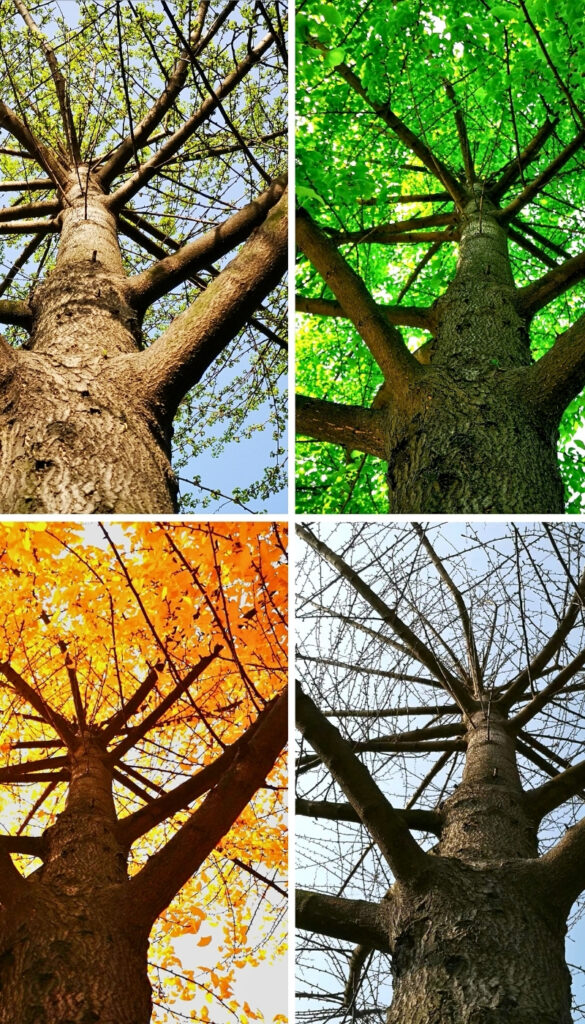
South Pittsburgh experiences a humid continental climate, with cold winters, wet springs, and warm, humid summers conditions that make mosquito activity highly dependent on the weather. From river valleys to wooded neighborhoods like Bethel Park, Mt. Lebanon, and South Park Township, standing water and seasonal moisture create ideal breeding sites.
Mosquito season typically begins in late April or early May, when temperatures consistently rise above 50°F. Spring rainstorms and melting snow provide early-season water sources, while humid summers dramatically accelerate mosquito breeding and biting activity.
Spring (April–May)
Snowmelt and heavy rainfall refill ponds, gutters, ditches, and woodland pools.
Early species like floodwater mosquitoes hatch rapidly in low-lying areas and near the Monongahela and Youghiogheny river corridors.
Activity begins when overnight temperatures stay above 50°F.
Summer (June–August)
Peak mosquito season in the South Hills area.
High humidity and temperatures in the 70s–80s shorten the mosquito life cycle to just 7–10 days.
Thunderstorms followed by warm evenings cause sudden population spikes.
Culex mosquitoes — carriers of West Nile virus — are especially active at dusk and nighttime.
Early Fall (September–October)
Warm early fall weather keeps mosquitoes active, especially after rain.
If temperatures stay above 50°F, biting persists into October.
First frost typically marks the decline of activity.
Winter (November–March)
Cold weather halts mosquito activity, but eggs from certain species survive in frozen water or soil.
Warmer-than-average winters may lead to early spring emergence.