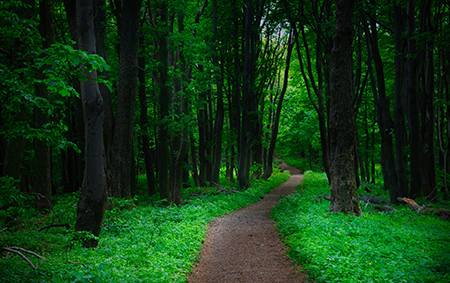
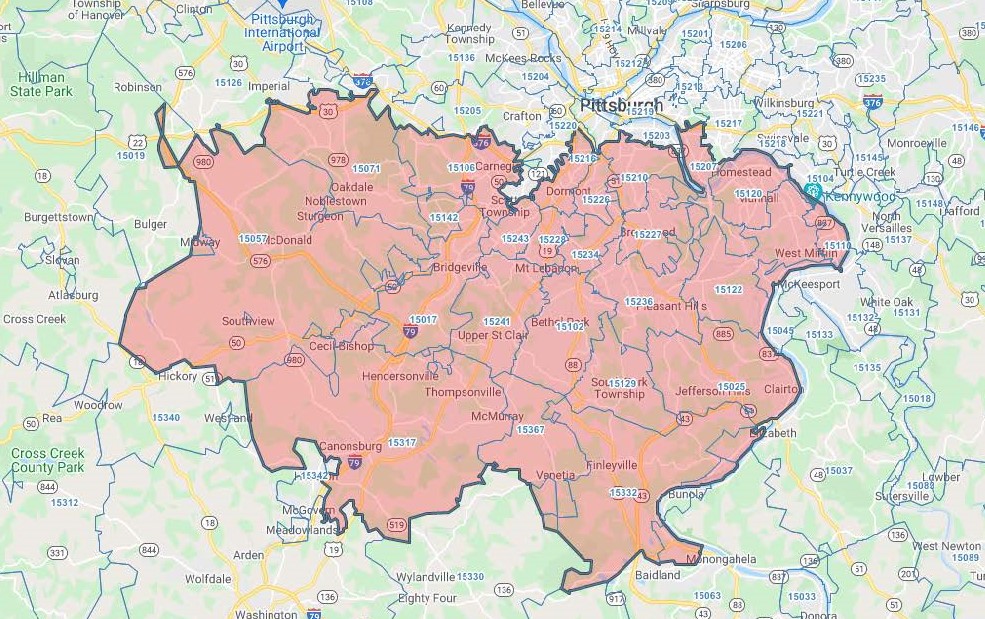
South Pittsburgh and the surrounding southwestern Allegheny County area feature rolling hills, wooded neighborhoods, river valleys, and suburban green spaces that provide ideal habitat for ticks. With humid springs, warm summers, and increasingly mild winters, tick activity in South Pittsburgh typically runs from early spring through late fall, with some species remaining active during warmer winter periods.
Ticks are frequently encountered by residents, hikers, pets, and outdoor workers in wooded areas, yards, parks, and along trail systems near the Monongahela River and surrounding green corridors.
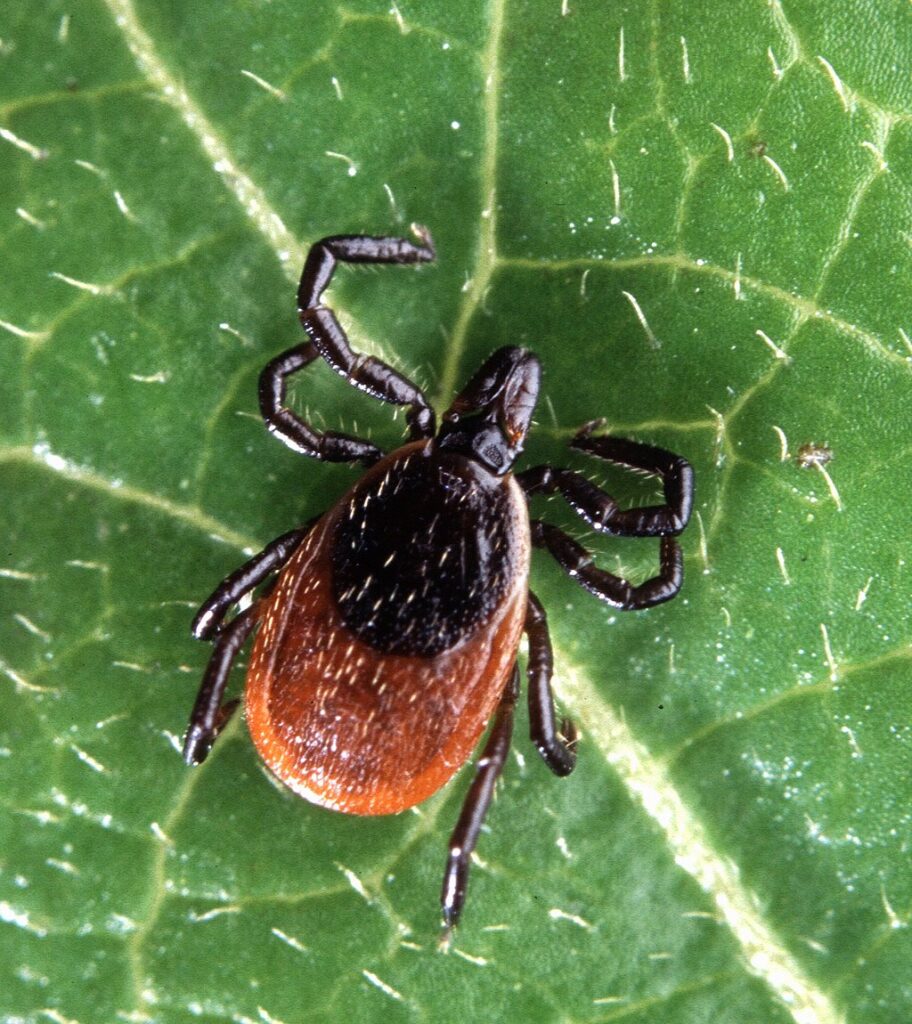
The most medically significant tick species in western Pennsylvania.
Key traits:
Prefers wooded areas, leaf litter, and shaded yard edges.
Nymphs are extremely small and most active in spring and early summer.
Adults peak again in fall, making autumn a high-risk season.
Known to transmit Lyme disease, anaplasmosis, and babesiosis.
Frequently found in areas with deer and rodent activity.
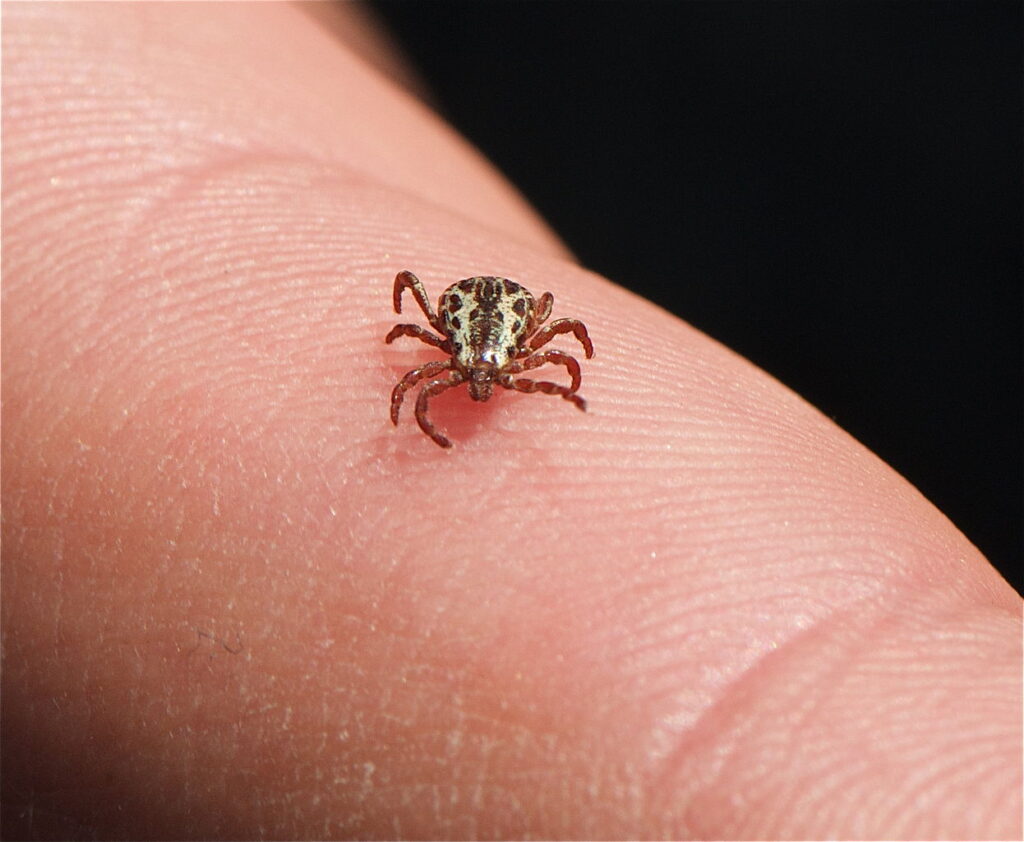
Very common throughout South Pittsburgh, especially in open and grassy environments.
Key traits:
Most active from late spring through mid-summer.
Found in grassy fields, park edges, trails, and roadside vegetation.
Primary vector for Rocky Mountain spotted fever in Pennsylvania.
Larger size makes them easier to spot on people and pets.
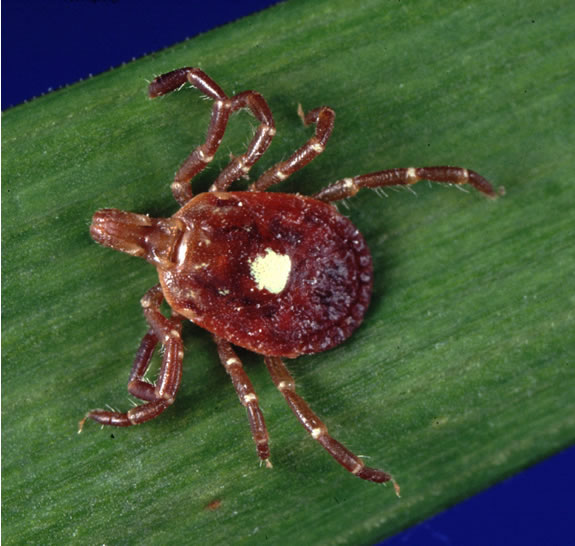
Historically rare in western Pennsylvania, but increasingly reported in recent years.
Key traits:
Adult females have a distinctive white “lone star” marking.
Aggressive host-seeker compared to other species.
Expanding northward due to warmer seasonal temperatures.
Known to transmit ehrlichiosis.
Associated with alpha-gal syndrome, a red meat sensitivity linked to tick bites.
Residents are most likely to encounter ticks in:
Wooded neighborhoods and forest edges
Trails and greenways near the Monongahela River
Parks, hiking paths, and recreational areas
Overgrown yards and unmanaged property lines
Areas with high deer and rodent populations
Dog parks and frequently used walking routes