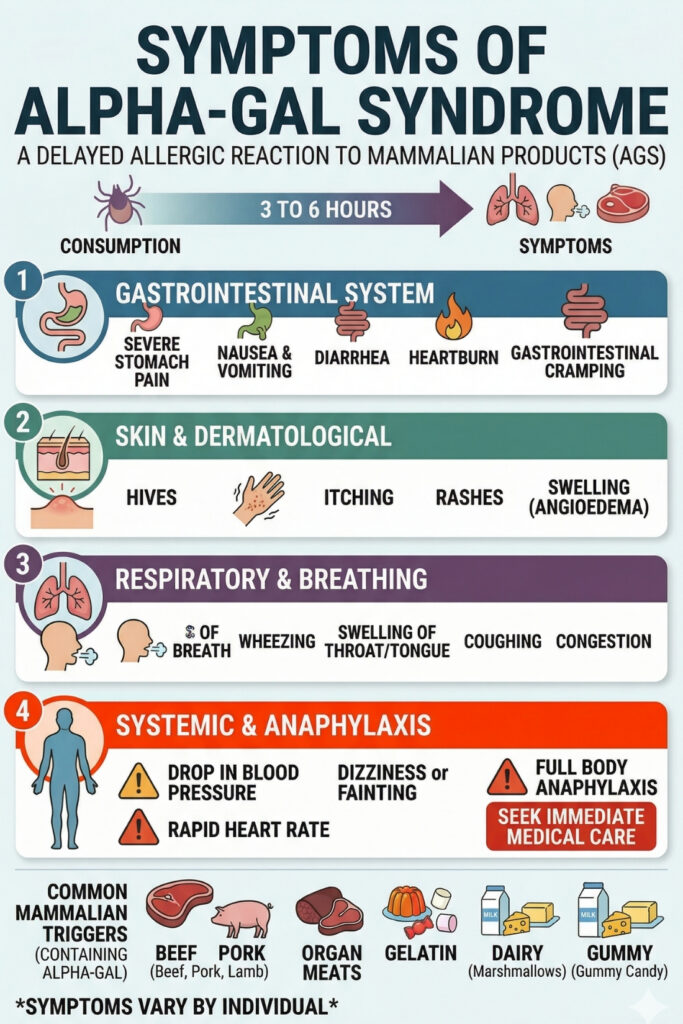
Alpha-Gal Syndrome is a serious, potentially life-threatening allergic condition. Unlike typical food allergies that trigger immediate reactions, AGS is characterized by a delayed immune response to alpha-gal, a sugar molecule found in most mammals (such as beef, pork, and lamb).
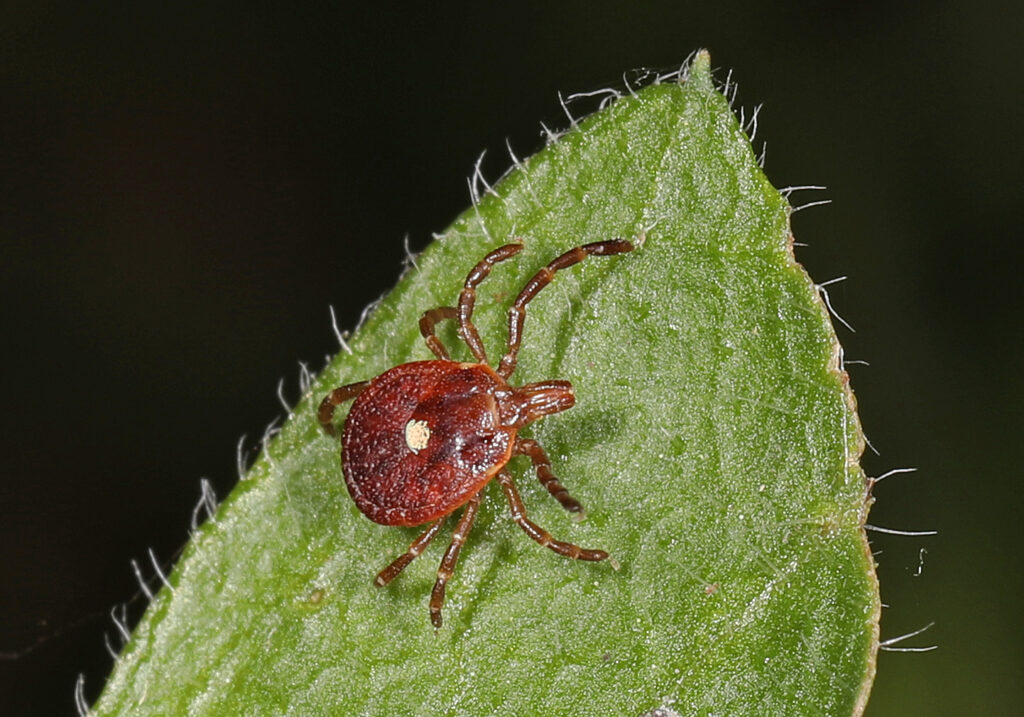
The primary vector for this condition in the United States is the Lone Star tick (Amblyomma americanum). When this tick bites a human, it can transfer alpha-gal molecules from its saliva into the person’s bloodstream. In some individuals, the immune system identifies this molecule as a threat, creating antibodies that trigger an allergic reaction the next time the person consumes mammalian products.
South Pittsburgh’s unique geography—ranging from the suburban wooded lots of Upper St. Clair and Mt. Lebanon to the sprawling parks like South Park and Hays Woods—creates a prime habitat for tick populations.
Lone Star Tick Expansion: Historically more common in the southern United States, the Lone Star tick has steadily migrated north into Pennsylvania. Recent climate shifts and milder winters have allowed this species to establish a more permanent presence in the Pittsburgh region.
The Population at Risk: Because AGS symptoms are often delayed by 2 to 6 hours after eating, many South Pittsburgh residents may not initially connect their symptoms to a meal. This is particularly relevant in a region known for its robust culinary scene and outdoor grilling traditions.
Lifestyle Considerations: The community’s high engagement in outdoor activities—hiking the Montour Trail, gardening, and youth sports—increases the frequency of human-tick encounters.

For the South Pittsburgh population, awareness of the “delayed” nature of AGS is critical for proper diagnosis. Symptoms typically include:
Hives or itchy rash
Nausea, stomach cramps, or heartburn
Swelling of the lips, face, or throat
Shortness of breath or wheezing
Anaphylaxis (in severe cases)
Because these symptoms often appear in the middle of the night following a dinner containing red meat, AGS is frequently misdiagnosed as general GI distress or other food allergies.