Experience relaxation and peace in your backyard with our proven mosquito control solution. Trusted by families in Roselle, our innovative approach not only repels mosquitoes but also establishes a durable barrier customized to your outdoor environment. Mosquito Shield of Schaumburg is dedicated to creating mosquito-free zones, so you can enjoy your outdoor spaces without interruption.
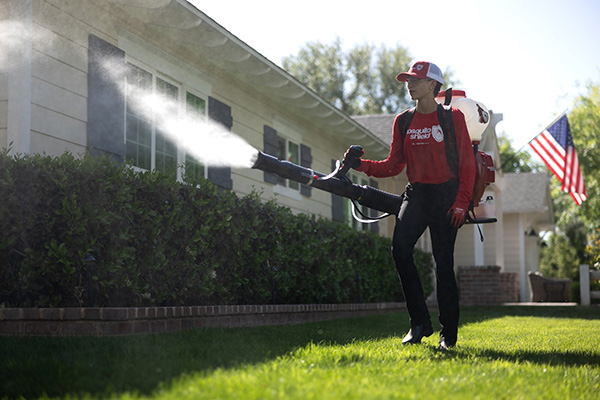
Effective mosquito control in Roselle, IL, that drives mosquitoes away and keeps them out of your yard.

Enjoy mosquito-free outdoor time in Roselle with treatments designed to provide lasting results.
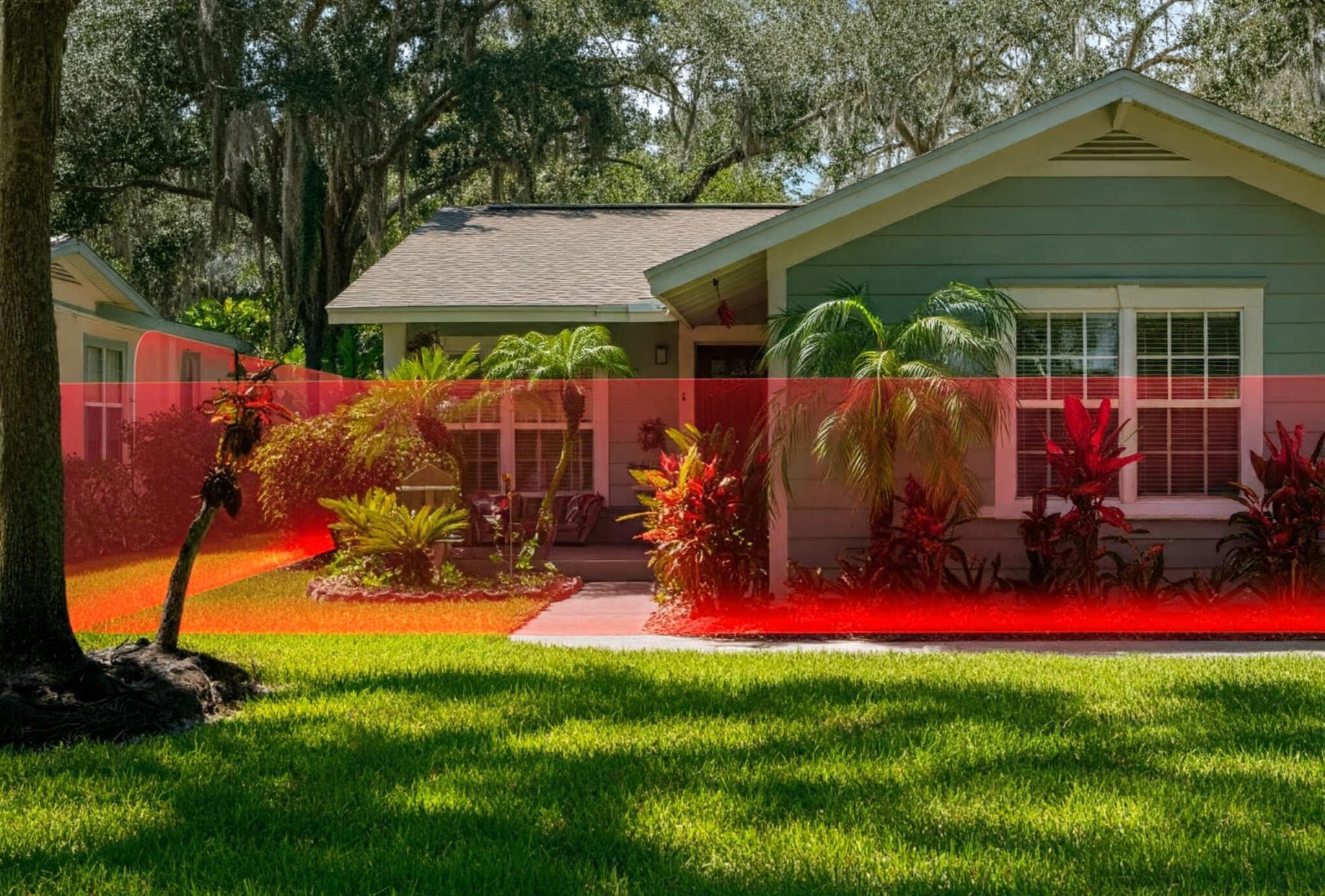
Highly rated mosquito control services in Roselle, trusted by residents to enhance outdoor living.

Roselle, Illinois, is a northwest suburb of Chicago in DuPage County served by the Northwest Mosquito Abatement District. The community features residential neighborhoods, retention ponds, tree-lined streets, and public parks—providing a mix of stormwater infrastructure and natural areas that support mosquito breeding and tick habitats.
Roselle’s combination of suburban landscaping, creek corridors, and drainage systems fosters active mosquito and tick populations year-round.
Residents are at risk of mosquito-borne illnesses such as West Nile Virus and Eastern Equine Encephalitis, as well as tick-borne diseases like Lyme disease. The Village coordinates public and private control measures—including barrier treatments and district spraying—to reduce these health threats.
Local strategies include:
The Village monitors mosquito pools, with the first West Nile–positive collections each season triggering increased public action and surveillance efforts.
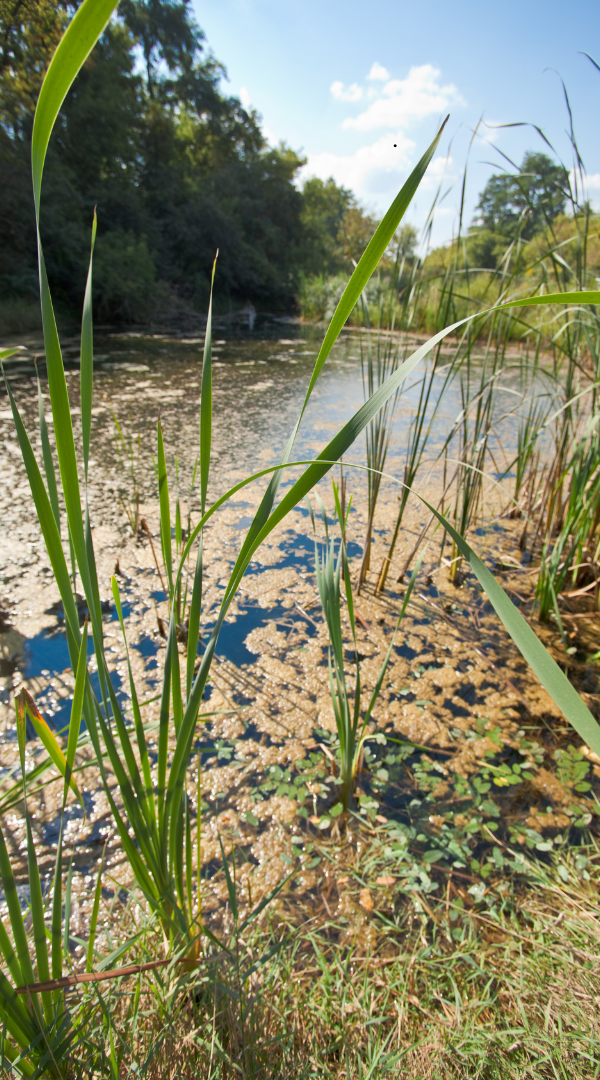
The weather in Roselle, Illinois creates favorable conditions for mosquito and tick activity. Hot, humid summers with frequent thunderstorms refill retention basins, street puddles, and park depressions—creating breeding grounds for mosquitoes. Tick activity is highest in spring and fall when moist, shaded conditions support their life cycle. Mild winters may allow some ticks to survive under cover.


Identification: Small, dark brown to black mosquito with white scales on the thorax and legs.
Habitat: Breeds in natural containers like tree holes and artificial containers such as tires.
Behavior: Daytime biter; females are aggressive and primarily feed on mammals.
Health Risks: Primary vector of La Crosse encephalitis virus.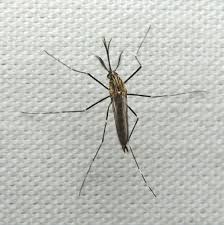
Identification: Medium-sized, dark mosquito with bronze-colored scales and distinct white markings on the legs and thorax.
Habitat: Prefers artificial containers, rock pools, and tree holes.
Behavior: Active during the day; feeds on mammals and birds.
Health Risks: Potential vector for West Nile virus and La Crosse encephalitis.
Identification: Medium-sized with a brown body and white bands on the abdomen and legs.
Habitat: Breeds in temporary floodwaters, such as rain pools and marshes.
Behavior: Nocturnal; females are persistent biters of mammals.
Health Risks: Potential vector for West Nile virus.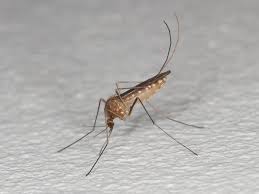
Identification: Small to medium-sized, light brown mosquito with unbanded legs and a blunt abdomen.
Habitat: Breeds in stagnant water sources like ditches, storm drains, and containers.
Behavior: Active during dusk and dawn; females prefer avian hosts but will bite humans.
Health Risks: Primary vector of West Nile virus.