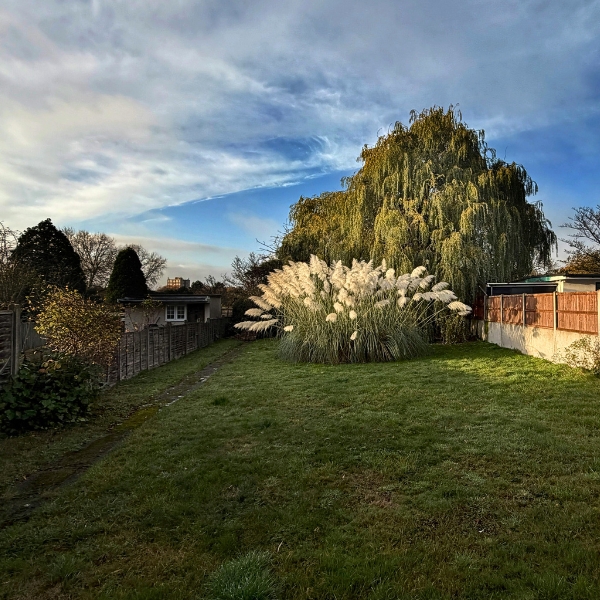
Spring in Northwest Dallas including communities such as Carrollton, Farmers Branch, Addison, and surrounding neighborhoods signals the start of mosquito season across North Texas. As temperatures rise and spring storms become more frequent, mosquito populations can establish themselves quickly if early conditions allow. What happens during early spring often determines how intense mosquito activity becomes later in the summer.

Warm Temperatures Accelerate Mosquito Development
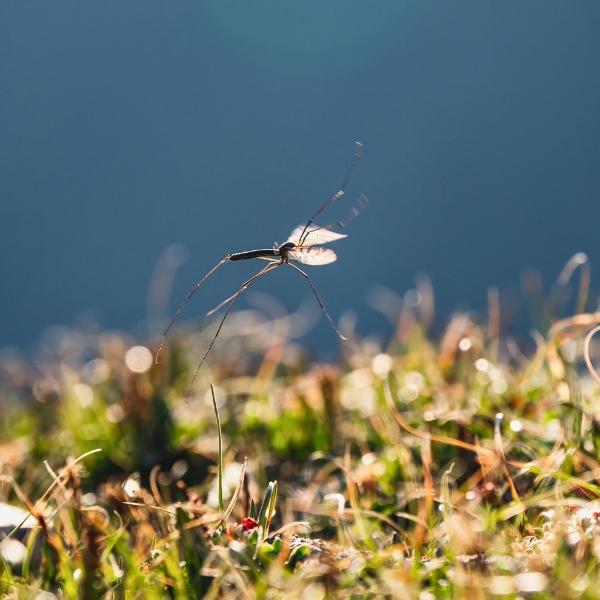
Mosquito eggs begin hatching once temperatures consistently rise above the mid-50s.
Warm spring days speed up larval development.
Mild overnight temperatures allow mosquitoes to mature quickly.
A mosquito can develop from egg to adult in as little as 5–10 days under favorable conditions.
Early action limits how many mosquito generations develop during the season.
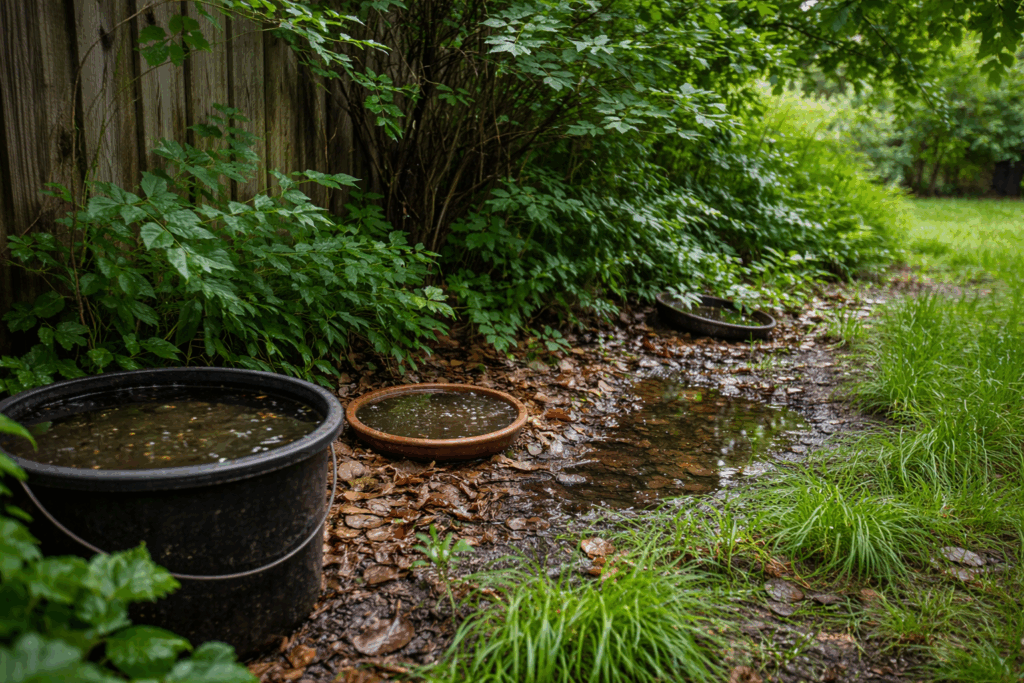
Spring rain fills countless small water sources around homes.
Common problem areas include:
Clogged gutters and downspouts
Flowerpots and plant saucers
Buckets, toys, tarps, and uncovered containers
Birdbaths and decorative water features
Low spots in lawns and drainage areas
Removing standing water early prevents mosquitoes from completing their first breeding cycle.
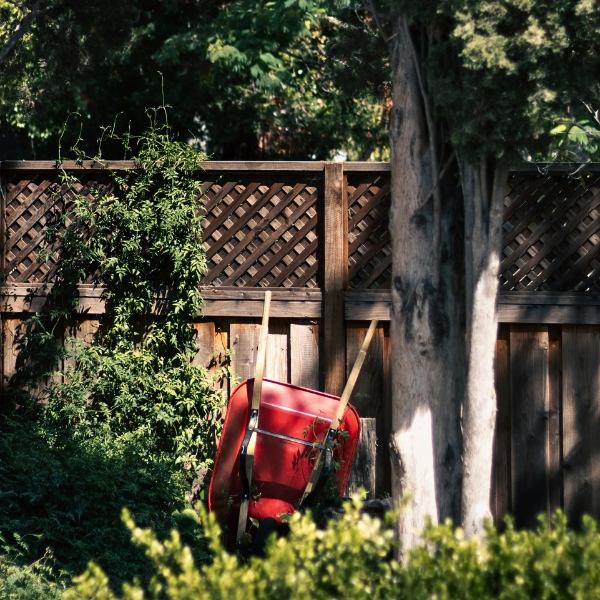
Rapid spring growth creates shaded, moist conditions mosquitoes prefer.
Early-season cleanup helps by:
Removing leaf litter and winter debris
Trimming shrubs, hedges, and overgrown areas
Reducing dense vegetation near patios and walkways
Improving airflow and sunlight exposure
Drier, sunnier yards are less attractive to mosquitoes.
Northwest Dallas often experiences heavy spring rainfall.
Spring preparation includes:
Clearing debris from drains and culverts
Ensuring downspouts direct water away from foundations
Addressing areas where water pools after storms
Good drainage reduces recurring mosquito breeding sites.
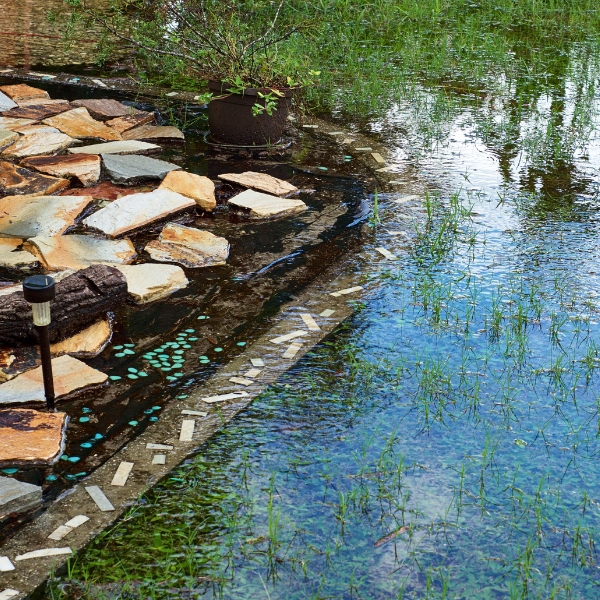
Irrigation can unintentionally create mosquito habitat.
Spring prep should include:
Repairing leaking sprinkler heads
Adjusting watering schedules to avoid overwatering
Ensuring runoff does not collect near structures
Proper irrigation management limits unnecessary moisture.