Northwest Dallas

Mosquito and Tick-Borne Disease Risks in Northwest Dallas

Mosquito-Borne Pathogens in the Dallas Basin

Northwest Dallas is situated within a high-activity zone for several arboviruses. The regional climate, characterized by humid subtropical transitions and significant spring rainfall, facilitates rapid breeding cycles.

West Nile Virus (WNV)

West Nile remains the primary mosquito-borne concern in Dallas County. The Culex quinquefasciatus mosquito, often called the “Southern House Mosquito,” is the principal vector here.

  • Localized Risk: Northwest Dallas zip codes (such as 75234, 75006, and 75019) frequently appear in Dallas County Health and Human Services (DCHHS) surveillance reports for positive mosquito pools.

  • Severity: While many infections are asymptomatic, the region sees annual cases of West Nile Neuroinvasive Disease (WNND), which can lead to encephalitis or meningitis.

Emerging Concerns: Dengue and Zika

While historically considered “travel-related,” the presence of Aedes aegypti and Aedes albopictus in the Northwest Dallas area maintains the potential for local transmission.

  • Urban Adaptability: These species thrive in smaller volumes of water, such as those found in clogged gutters or flowerpots in densely populated residential areas like Addison and Farmers Branch.
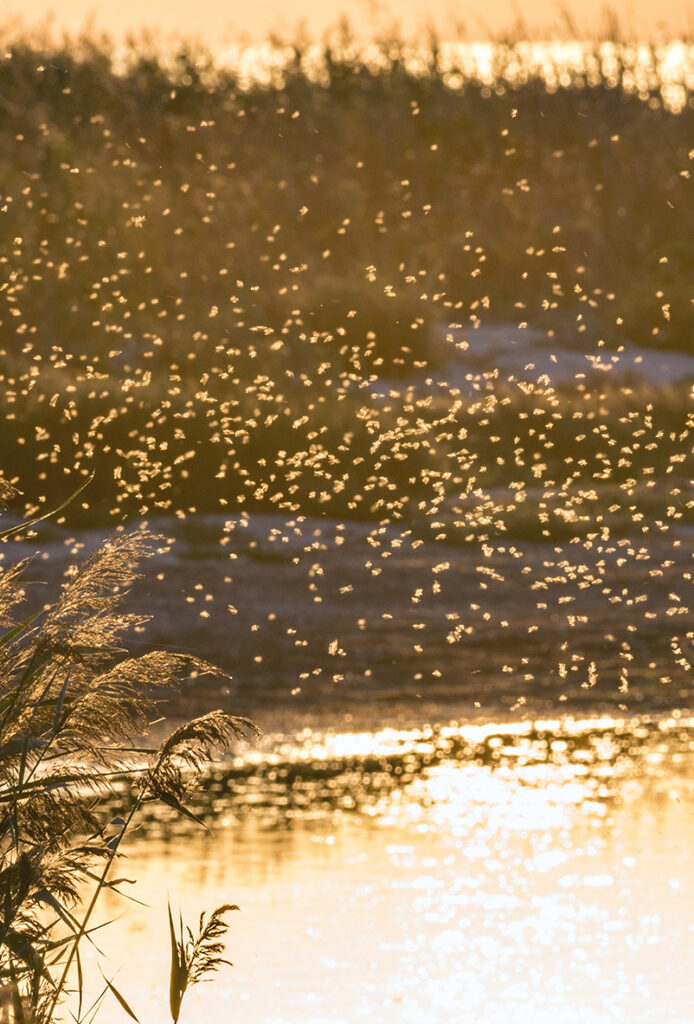
Swarm of mosquitos over a body of water mobile version

Tick-Borne Risks in North Texas

Contrary to the common misconception that ticks are only a “woods and forest” issue, the suburban-rural fringe of Northwest Dallas provides an ideal habitat for several tick species, particularly where residential backyards abut greenbelts or the Elm Fork of the Trinity River.

Spotted Fever Rickettsiosis (SFR)

Including Rocky Mountain Spotted Fever, SFR is the most commonly reported tick-borne illness in Texas.

  • The Vector: The American Dog Tick and the Lone Star Tick are prevalent in North Texas.

  • Transmission: These ticks are often brought into residential zones by wildlife (deer, coyotes, and raccoons) that frequent the Northwest Dallas park systems.

Lyme Disease

While Texas is not considered a high-endemic state compared to the Northeast, cases of Lyme disease are documented annually. The Black-legged Tick (Deer Tick) is present in the region, and its activity is often underestimated due to its small size and the year-round activity levels seen in the Texas climate.
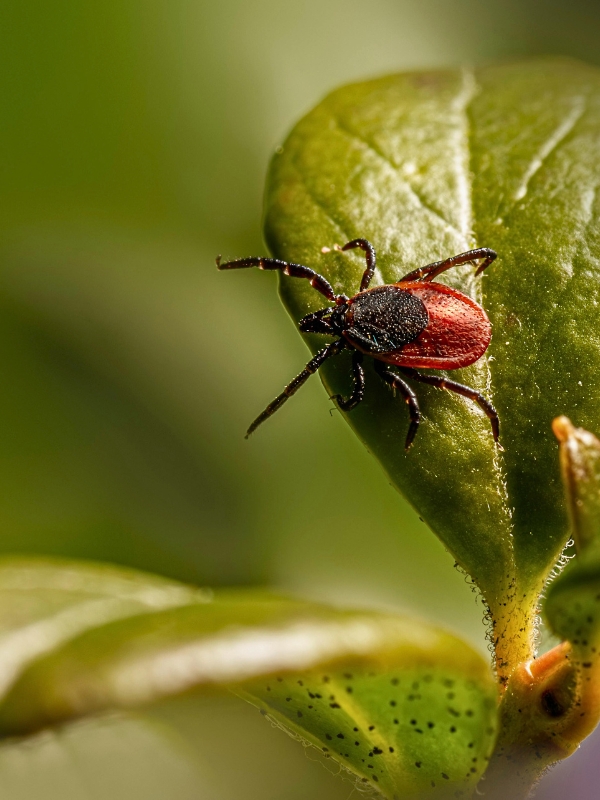
Deer tick on a leaf in spring

3 easy steps to backyard bliss

Win the backyard battle this year.

    Do you agree to receive text messages from Forest Monroe LLC dba Mosquito Shield of Northwest Dallas sent from 214-775-0622? Message frequency may vary. Standard messaging and data rates apply. Text STOP to opt-out at any time. Text HELP for support or contact us. Privacy Policy/TOS.
    Yes, I agree to receive informational and/or marketing text messages from 214-775-0622
    No, I do not want to receive text messages from Mosquito Shield.

    See our Privacy Policy/TOS for details on how we handle your information.

    1. 1

      Request Your Free Quote

      We’re out to kill mosquitoes, not your budget. We’ll be upfront about all costs, and you’ll know exactly what payments will look like before you start. Speak to one of our professionals today about getting a quote for your property.
    2. 2

      Schedule Your Service

      Once you’ve received a quote, you can move forward and begin seeing a difference with our services. Any mosquitoes in the area will be killed on contact and a barrier created to deter new mosquitoes from coming in. It takes less than 48 hours to notice a difference.
    3. 3

      Get Back Outside

      You no longer have to wonder what life would be like without mosquitoes. Go back to enjoying any and all outdoor activities without unwanted guests. Taking care of mosquitoes on your property has never been easier.

    Vulnerable Populations and Impact

    The public health impact in Northwest Dallas is most pronounced in two specific demographics:

    1. Active Communities: The high concentration of golf courses, hiking trails (such as the Campion Trail system), and outdoor shopping districts in the Addison/Northwest Dallas area increases the frequency of human-vector interaction.

    2. At-Risk Groups: Individuals over the age of 50 or those with compromised immune systems are statistically at higher risk for severe complications from West Nile Virus, making surveillance in these residential corridors a public health priority.
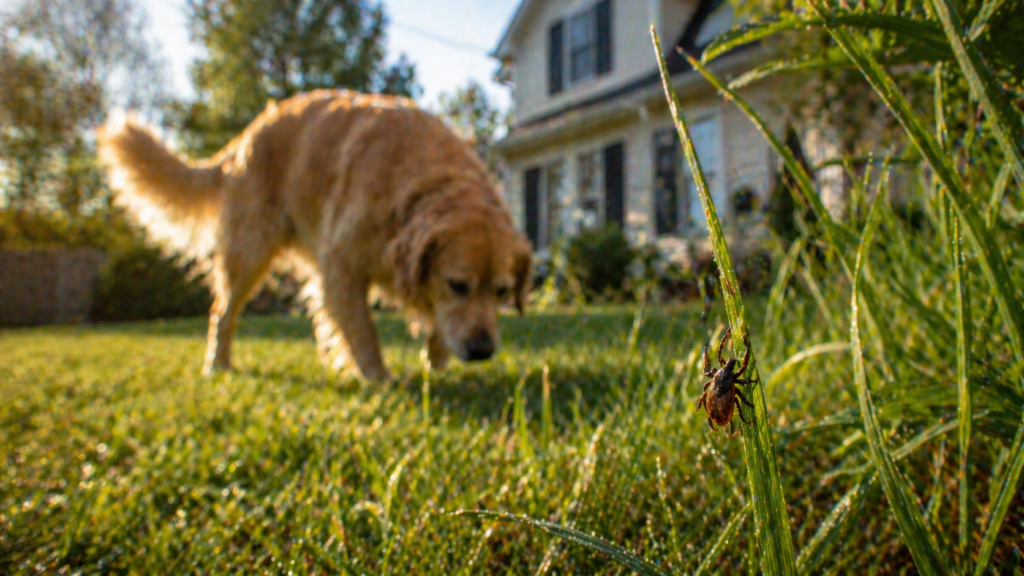
    scene of a backyard lawn with a dog walking near tall grass, foreground macro focus on a tick on a blade of grass, shallow depth of field, warm natural lighting

    Frequently Asked Questions

    01. What other insects will this affect?
    We use a control product so other insects present when and where we spray may be impacted.

    However, our formula was specifically engineered for mosquitoes so it won’t repel any other insects as it does mosquitoes.
    02. Will your product work after storms?
    Yes, we have specifically engineered our formula to outlast storms. With a special polymer layer that provides weather resistance, our formula will remain effective.
    03. Is there any environment you cannot treat?
    Yes, there are some areas we won’t spray to avoid the surrounding environments. Pools, natural water sources, vegetable gardens, and artificial water sources complete the list.

    Because water could easily spread the insecticides, we never directly apply our product to it. However, the rest of the property can still be sprayed and it will drastically reduce the population of mosquitoes.
    04. Does this product work on all mosquitoes and ticks ?
    Yes, we target aspects of mosquitoes and ticks that don’t change from species to species.

    The killing and repelling aspects of our product will work on any species of mosquitoes and ticks .
    05. What about my children and pets?
    Pets and children should be inside during each application. However, they can re-enter the property once the product has dried, roughly 10-15 minutes. At that point, there are no restrictions until the next application.
    06. When can I start to see the effects?
    Every yard is different but you should notice a dramatic reduction within 24-48 hours of the initial spray.

    With each subsequent treatment, the results continue to improve, allowing you to enjoy time outside without being chased in by swarms of mosquitoes.
    07. Why do we see more mosquitoes after it has rained?
    Mosquitoes are more abundant after it rains because standing water is where they breed.

    Adult, female mosquitoes will lay their eggs in water. Once fully submerged, the countdown begins and the eggs can hatch in as little as a few days.

    Shield Your Yard Now