North and East Nashville include residential streets, older drainage systems, urban creeks, parks, alleys, commercial lots, and shaded outdoor spaces where mosquitoes can breed if standing water is present. Metro Public Health reported West Nile virus in a mosquito pool collected in North Nashville during the 2026 season, and Nashville’s mosquito program continues to track local activity.
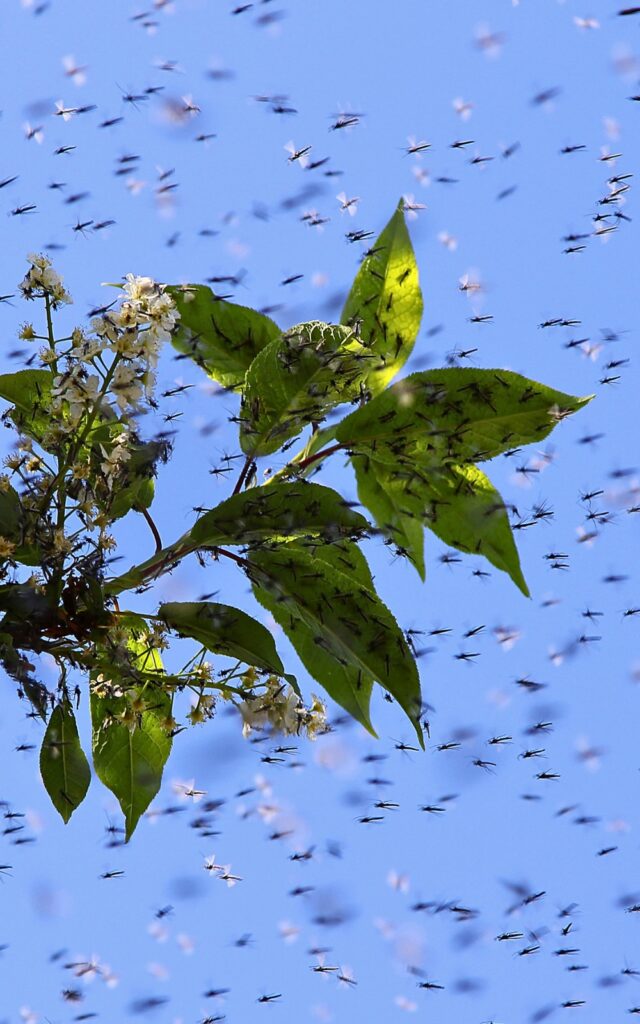
West Nile virus spreads when mosquitoes feed on infected birds and then bite people or animals. The virus is not usually spread by touching, coughing, or normal contact with an infected person or pet. Humans, dogs, cats, and horses can become infected through mosquito bites, but people and most mammals are generally not the source that keeps the virus spreading in the environment.
In North and East Nashville, risk can rise near containers, tires, clogged gutters, stormwater structures, neglected pools, plant saucers, and low spots where rainwater sits. Outdoor gatherings, porches, patios, and evening activities can increase bite exposure, especially around dusk and dawn.
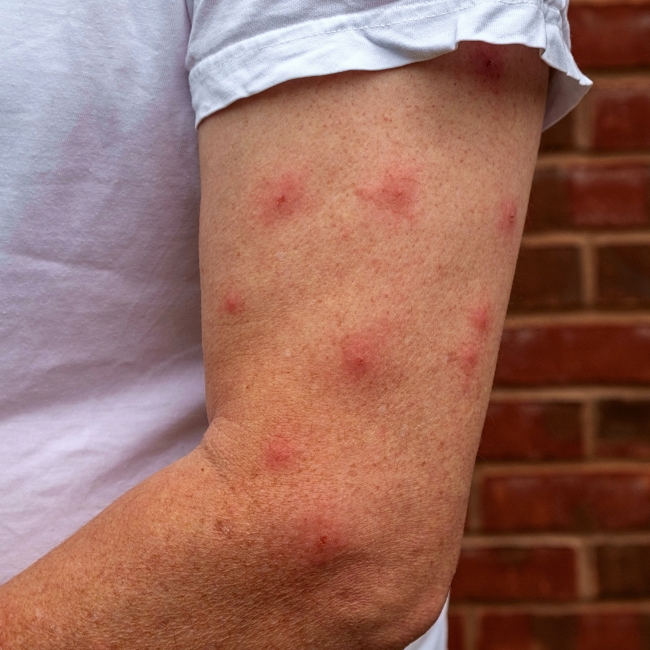
Most people infected with West Nile virus never feel sick. For those who do, symptoms may include fever, headache, body aches, joint pain, vomiting, diarrhea, or rash. Severe disease is less common but can involve inflammation of the brain or surrounding tissues, causing meningitis, encephalitis, weakness, tremors, confusion, paralysis, or other neurologic problems. Older adults and people with certain underlying health conditions face greater risk of severe illness.
There is no specific medication that cures West Nile virus disease in humans. Mild cases are treated with supportive care, and severe cases may require hospitalization, IV fluids, respiratory support, and treatment for complications.
Pets are exposed the same way people are: through mosquito bites. Dogs and cats rarely develop severe West Nile virus illness, but sudden weakness, stumbling, tremors, fever, or unusual behavior should be discussed with a veterinarian. Horses can become seriously ill and should be protected according to veterinary recommendations.
For North and East Nashville households, practical prevention starts with eliminating standing water, maintaining yards and drainage areas, and reducing mosquito exposure for people and pets.