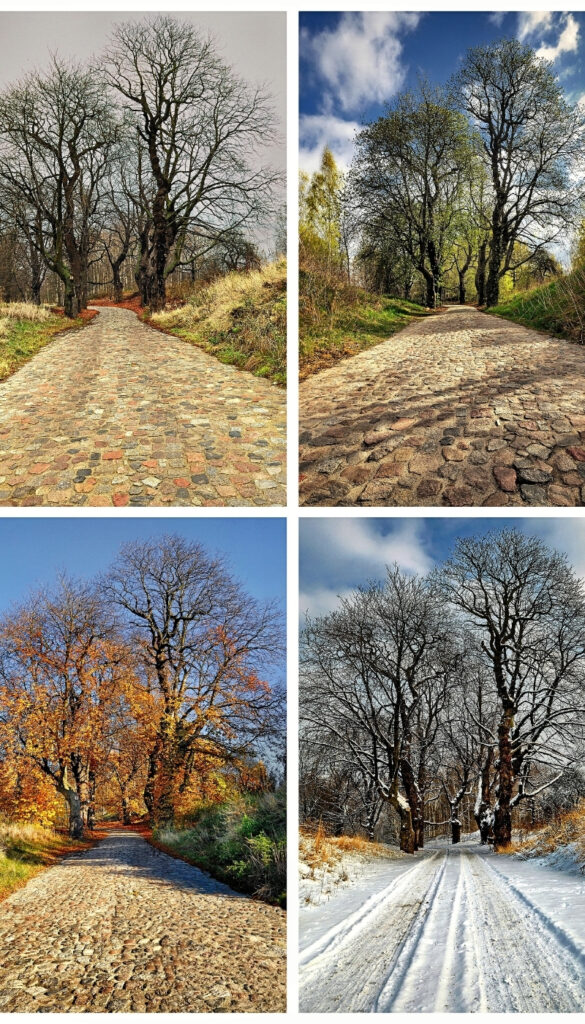
Set in Middle Tennessee, Northeast Nashville has a warm, humid climate that can keep mosquitoes active for much of the year. The mix of steady humidity, spring rain, pop-up summer storms, and generally mild winters creates ideal breeding conditions—especially around creek corridors, wooded lots, shaded landscaping, and any standing water in yards (gutters, planters, birdbaths, and low spots). Knowing how Northeast Nashville’s seasonal weather patterns influence mosquito behavior helps homeowners time prevention steps and stay ahead of the biggest surges in activity.
Spring (March–May)
Spring marks the beginning of mosquito season in Northeast Nashville. As daytime temperatures consistently rise, overwintering mosquito eggs begin to hatch.
Summer (June–August)
Summer brings peak mosquito activity. Heat and humidity accelerate mosquito growth cycles, allowing larvae to mature into adults in as little as 5–7 days.
Early Fall (September–October)
Mosquito activity often stays high into October due to lingering warmth and humidity.
Winter (November–February)
Cold snaps reduce visible mosquito activity, but the season doesn’t fully eliminate them.