Spring in North Dallas–Fort Worth marks the true start of mosquito season across North Texas. As temperatures rise, spring storms become more frequent, and landscapes green up quickly, mosquito populations can establish themselves early if conditions allow. Mild winters in the region often mean mosquito eggs survive until spring, ready to hatch as soon as warmth and moisture return.
In North DFW, what happens during early spring often determines mosquito pressure throughout the long summer season.

Mosquito eggs laid during the previous season remain dormant until spring conditions activate them.
Under favorable conditions, mosquitoes can develop from egg to adult in as little as 5–10 days.
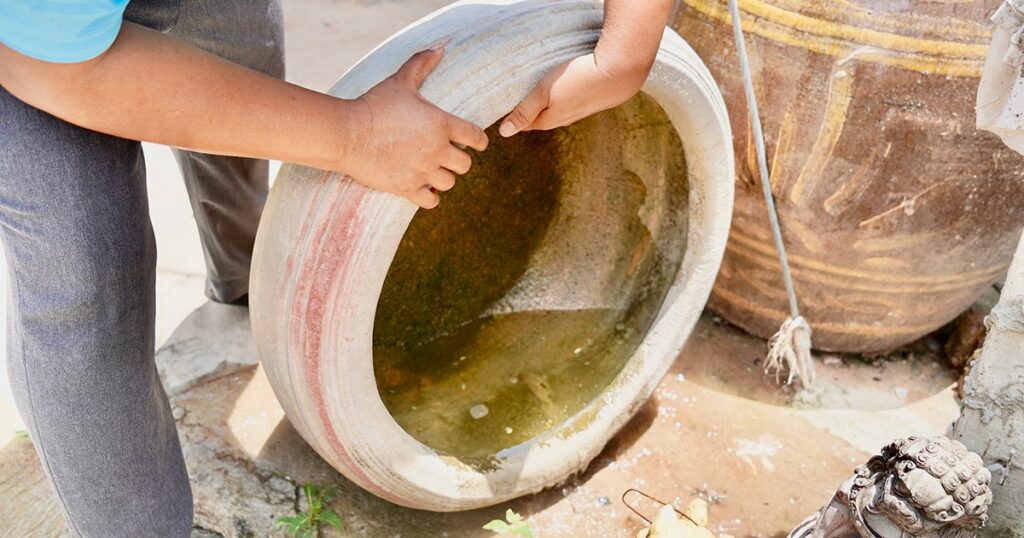
1. Eliminating Early Breeding Sites
Standing water is essential for mosquito reproduction.
Spring preparation focuses on removing common breeding sources such as:
Removing these water sources early disrupts the first mosquito breeding cycle of the year.
2. Managing Yard Growth Before Vegetation Thickens
As spring progresses, rapid plant growth creates shaded, humid environments mosquitoes rely on.
Early-season yard maintenance helps by:
Fewer resting areas make it harder for mosquitoes to survive and remain active.
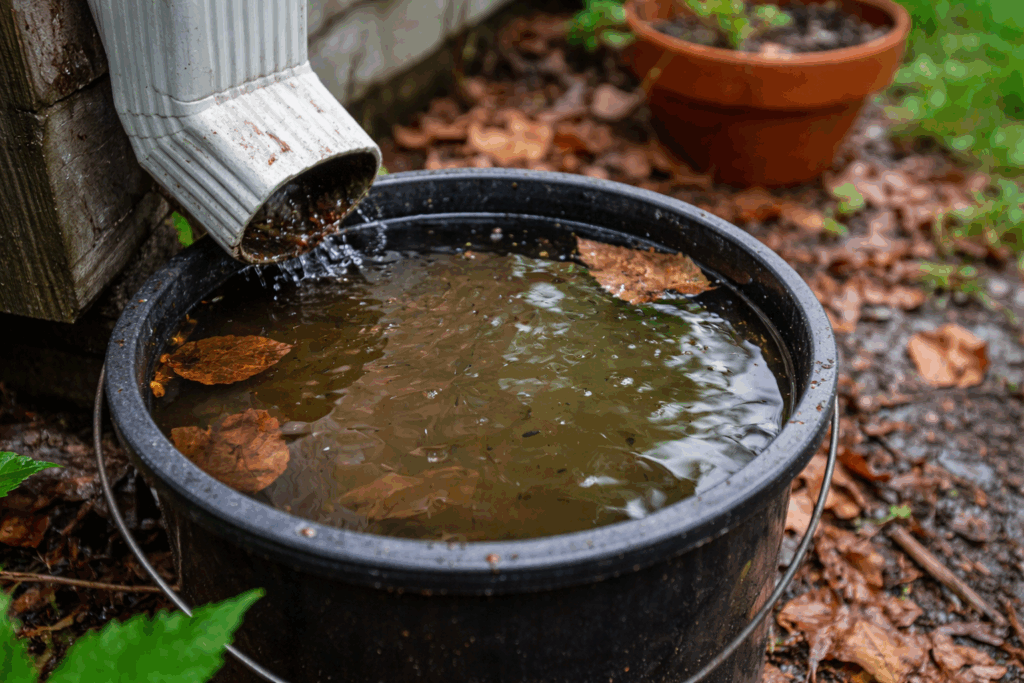
3. Inspecting Irrigation Systems Early
Irrigation plays a major role in mosquito habitat across North DFW.
Spring preparation includes:
Efficient irrigation reduces unnecessary standing water.
4. Improving Drainage Before Repeated Storms
North Dallas–Fort Worth often experiences heavy spring storms.
Spring preparation includes:
Good drainage reduces repeated mosquito breeding opportunities.