Experience relaxation and peace in your Roanoke backyard with our proven mosquito control solution. Trusted by families in Roanoke, our innovative approach not only repels mosquitoes but also establishes a durable barrier customized to your outdoor environment. Mosquito Shield of North DFW is dedicated to creating mosquito-free zones, so you can enjoy your outdoor spaces without interruption.
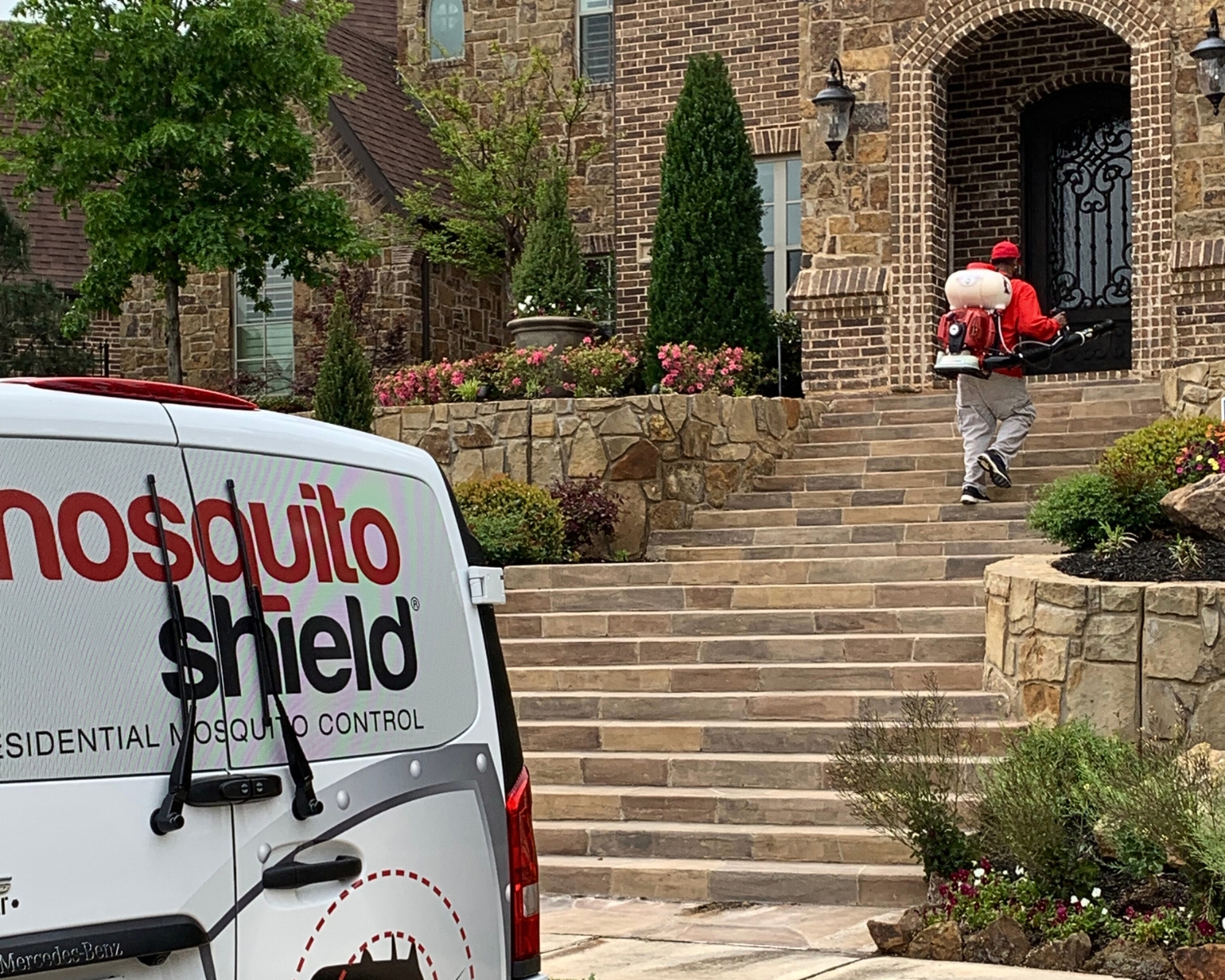
Effective mosquito control in Roanoke, TX that drives mosquitoes away and keeps them out of your yard.

Enjoy mosquito-free outdoor time in Roanoke with treatments designed to provide lasting results.
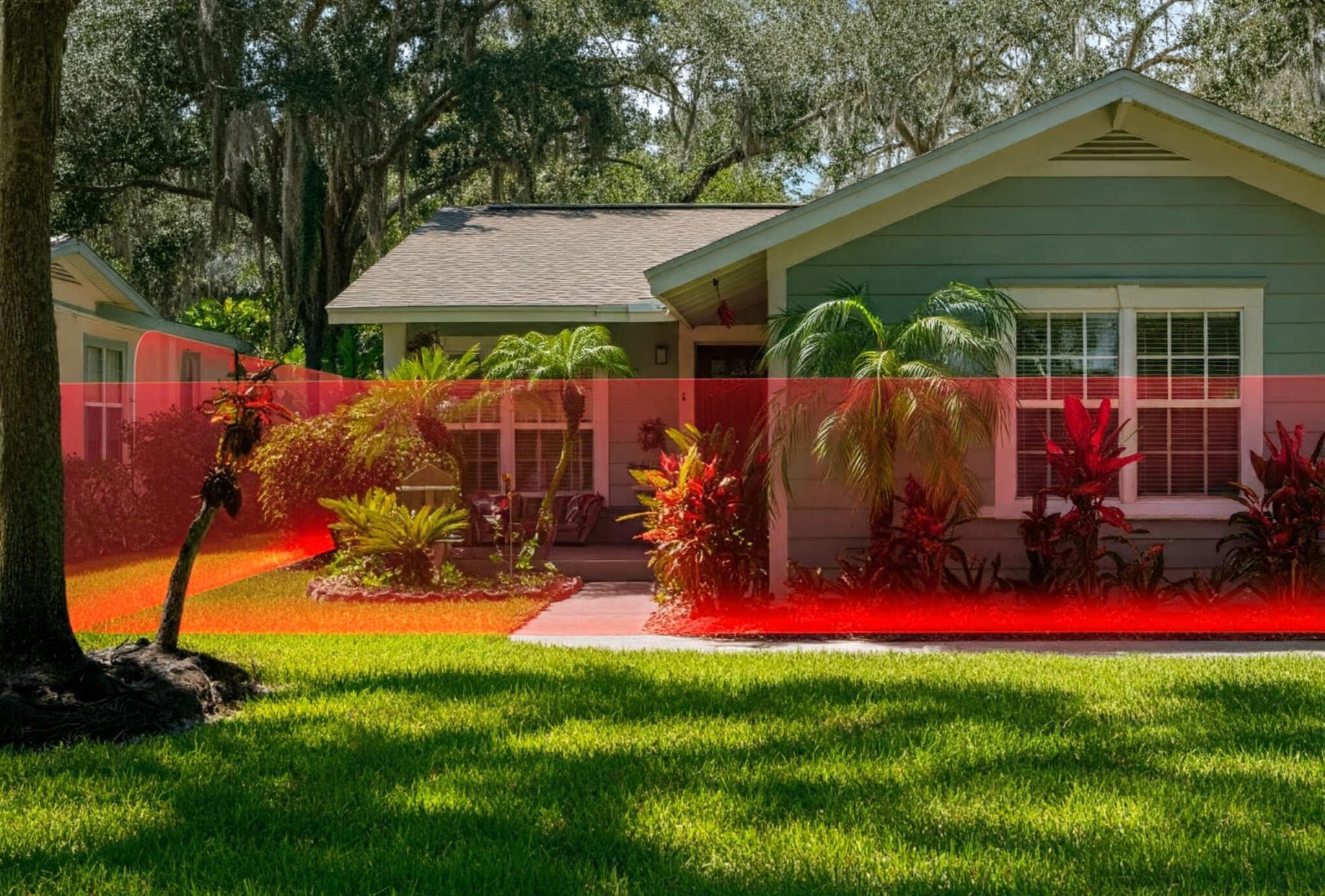
Highly rated mosquito control services in Roanoke, trusted by residents to enhance outdoor living.
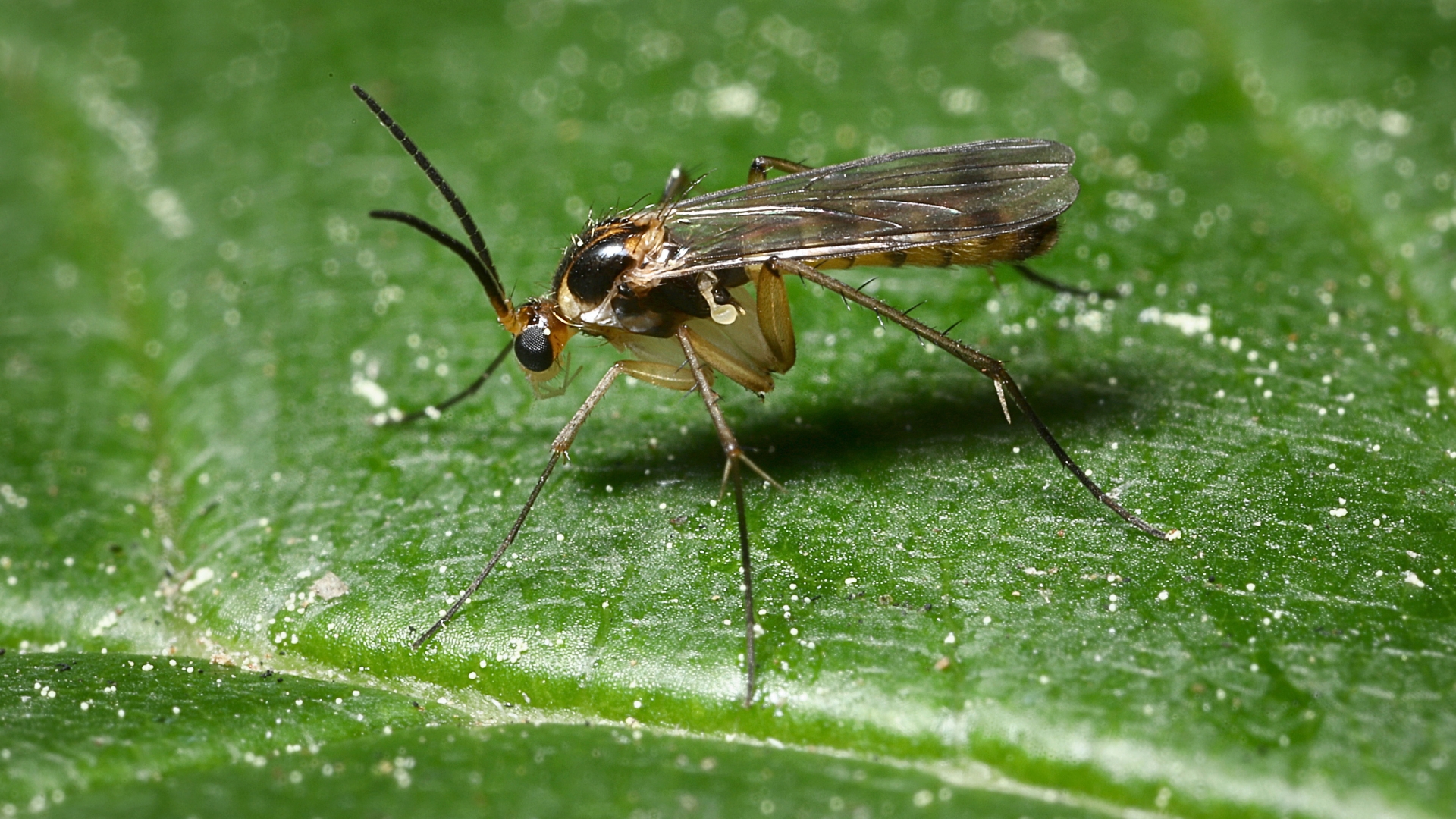
Not all tiny black flies are the same, but they are all annoying. While fruit flies swarm your kitchen and drains, fungus gnats are busy breeding in the damp soil of your indoor plants, where their larvae feed on delicate root systems. Our specialized treatment targets both pests, interrupting their lifecycles and clearing the air so you can enjoy your home and your greenery in peace.


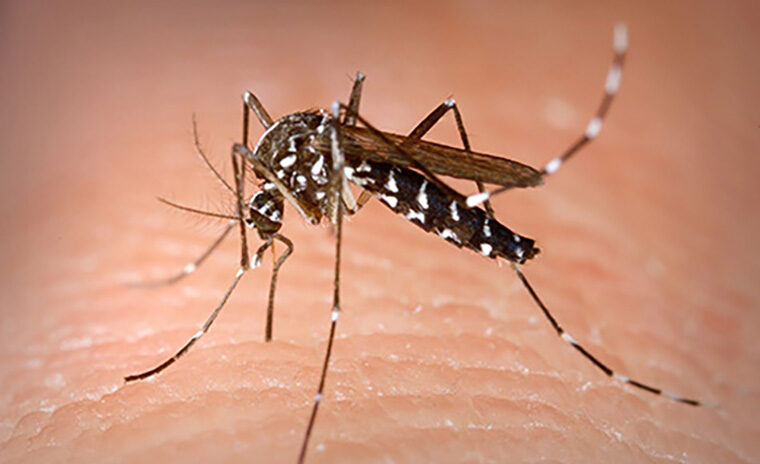
Identification: Small, black mosquito with white leg stripes and a lyre-shaped marking on its thorax. Habitat: Widespread in residential neighborhoods across North Dallas and Fort Worth suburbs; breeds in containers like toys, flowerpots, birdbaths, and clogged gutters. Behavior: Aggressive daytime biter, preferring humans. Health Risks: Known carrier of Zika virus, dengue, and chikungunya.
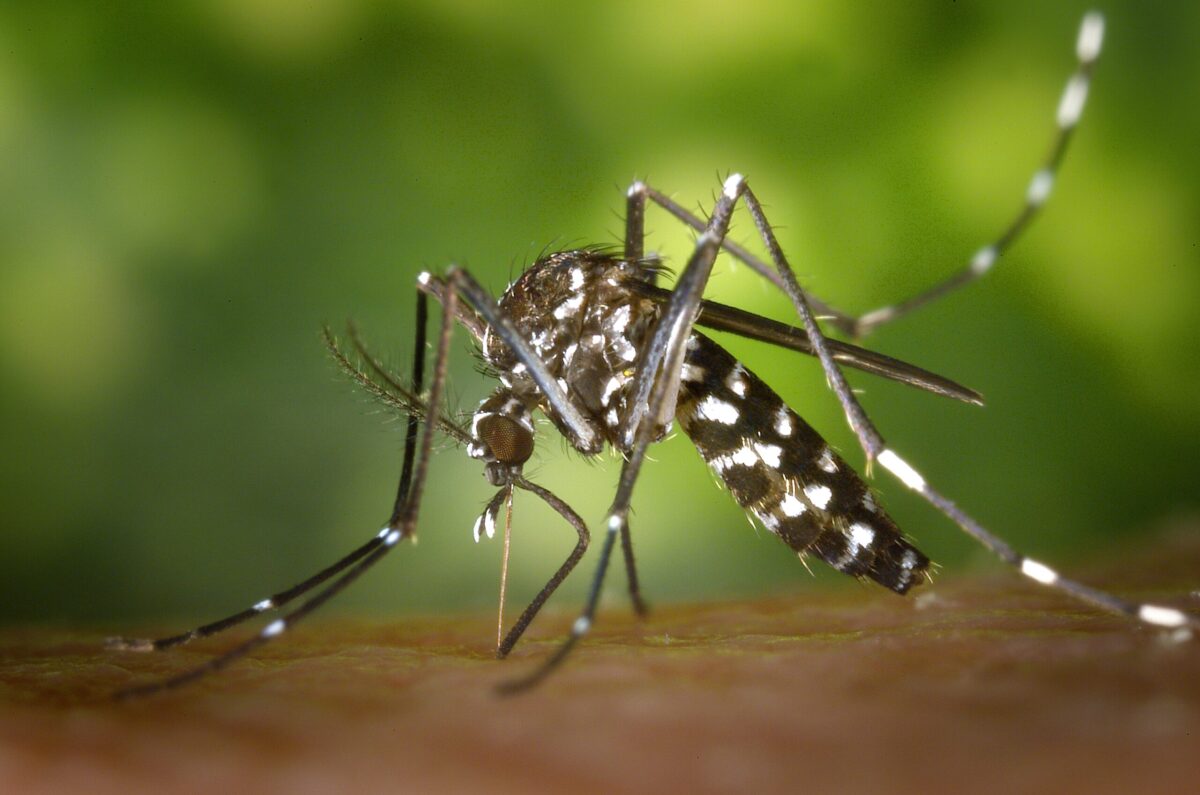
Identification: Dark body with a bright white stripe down the back and banded legs. Habitat: Common around shaded suburban yards, greenbelts, and park areas from Plano to Grapevine. Breeds in small water-filled items. Behavior: Most active during the day, especially targeting ankles and lower legs. Health Risks: Can transmit West Nile, Zika, and dengue viruses.
Identification: Light brown body with darker bands across the abdomen. Habitat: Found in storm drains, ditches, retention ponds, and neglected swimming pools throughout North DFW. Behavior: Nighttime biter; often enters homes seeking blood meals. Health Risks: Primary vector of West Nile virus in North Texas.
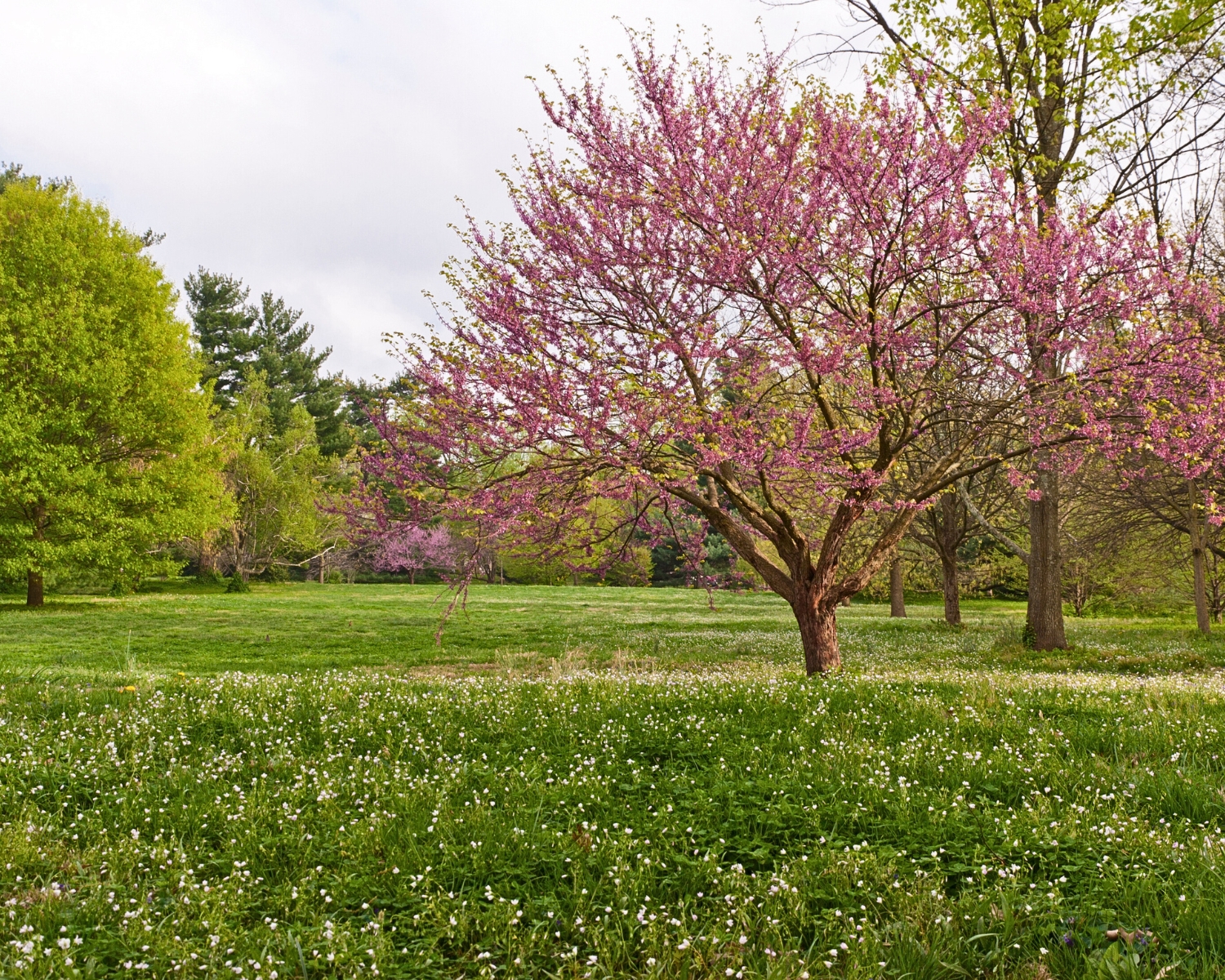
Key Activity: Mosquito season begins with rising temps and frequent spring thunderstorms. Breeding: Standing water from heavy rains and irrigation creates perfect breeding pockets. Common Species Active: Aedes aegypti and Culex quinquefasciatus. Behavior: Evening bites increase steadily, with activity surging after rain.

Key Activity: Peak mosquito season—extreme heat mixed with humidity makes for explosive breeding cycles. Breeding: Any water source—gutters, birdbaths, low-lying lawns, and storm drains—hosts larvae. Common Species Active: Aedes albopictus, Aedes aegypti, and Culex quinquefasciatus. Behavior: Heavy biting pressure day and night; outdoor activities are difficult without treatment.
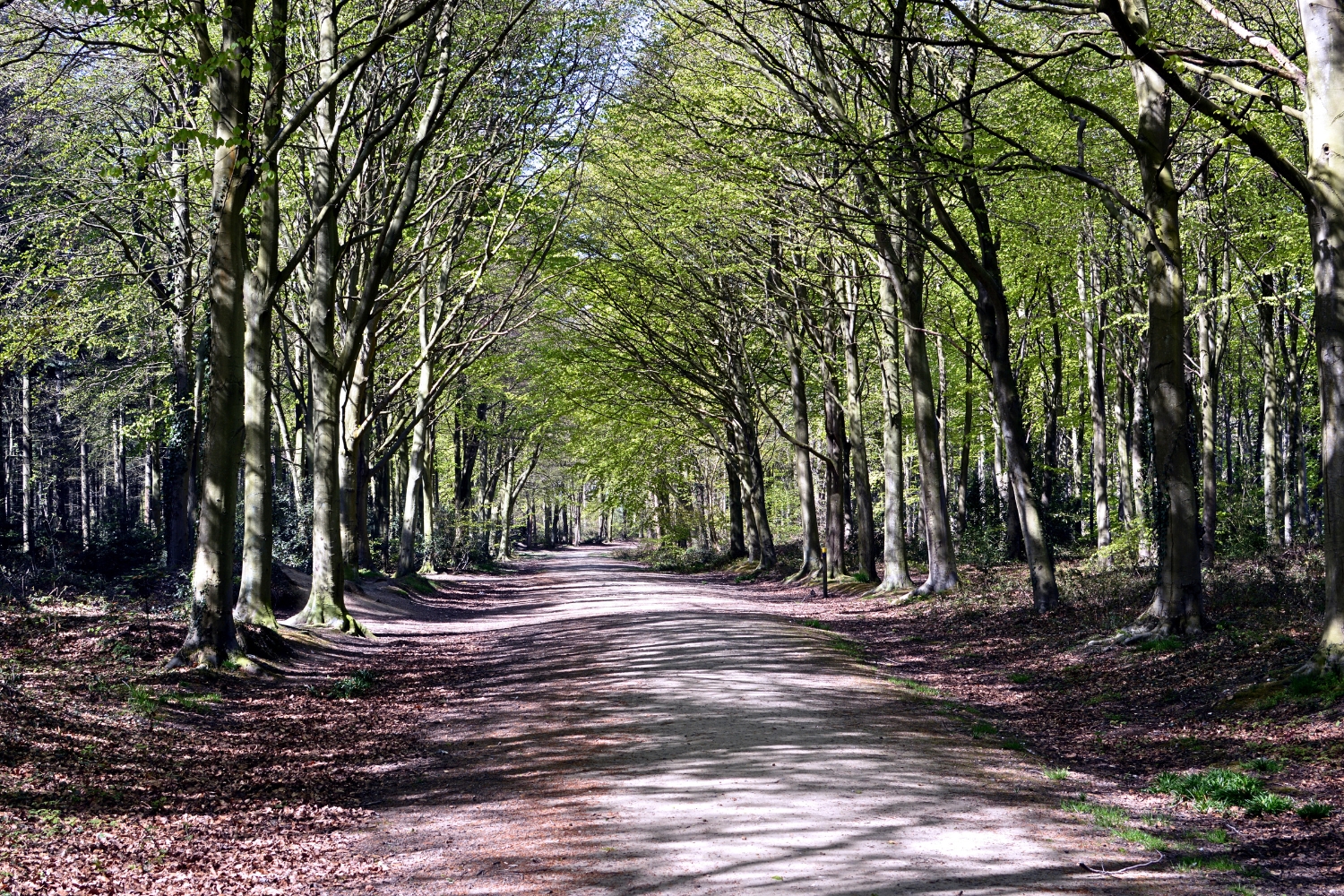
Key Activity: Activity begins tapering but remains strong through warm October days. Breeding: Yard runoff and rainfall keep mosquitoes active in neighborhood greenbelts and low-lying areas. Common Species Active: Culex and Aedes species. Behavior: Bites are common at dusk, especially in wooded or shaded areas.
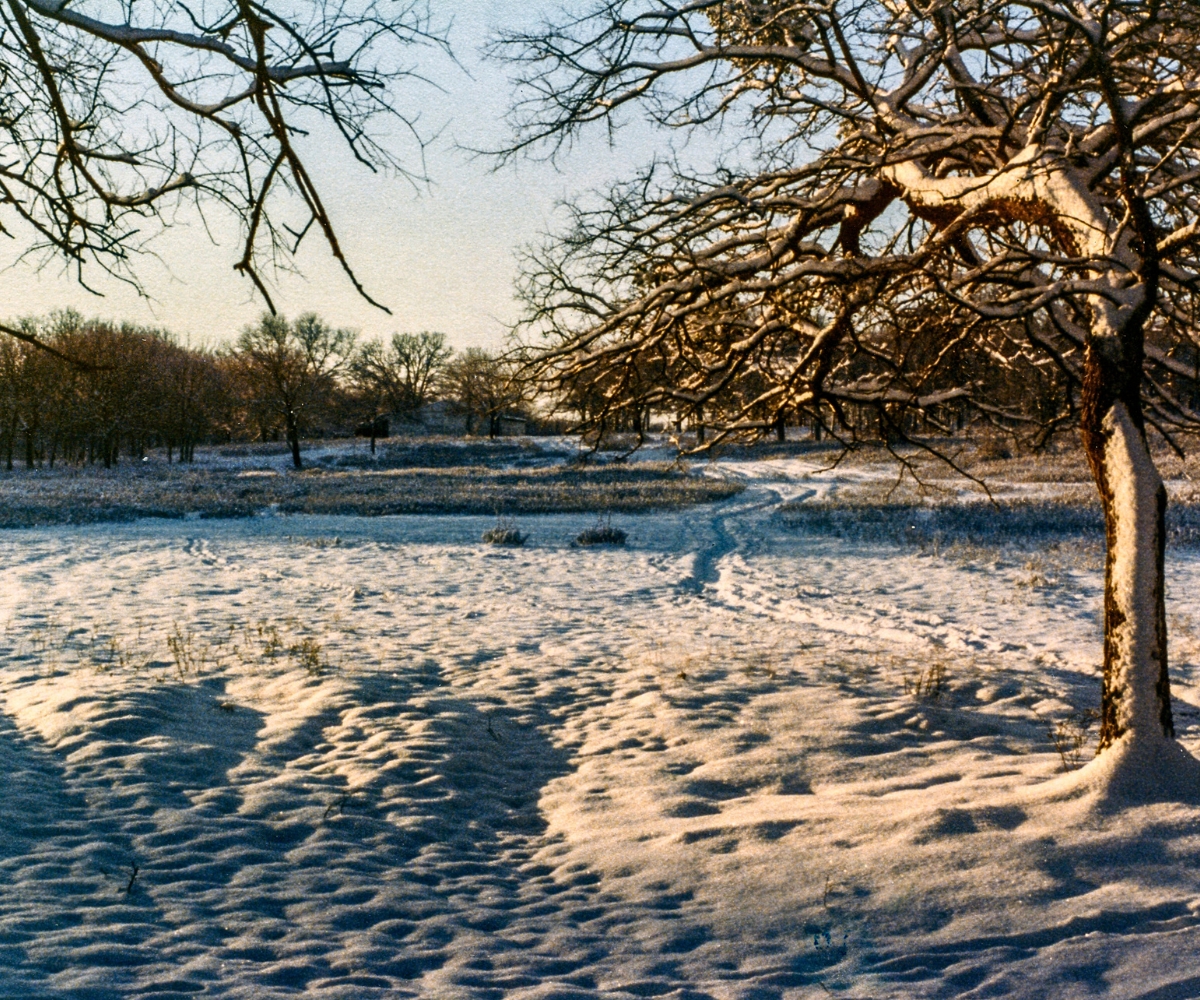
Key Activity: Activity drops sharply but does not fully disappear during mild Texas winters. Eggs: Aedes eggs survive in dry containers, waiting for the next warm spell. Adults: Some Culex mosquitoes overwinter in sheds, crawlspaces, and garages. Behavior: Mosquitoes may appear during warm snaps, especially after rain.
Roanoke, Texas, is a growing community in the heart of Denton County, known for its vibrant downtown dining scene, family-friendly atmosphere, and proximity to major highways like TX-114 and I-35W. The area’s blend of suburban neighborhoods, green spaces like Cannon Parkway Park and Hawaiian Falls Roanoke, and nearby natural features such as Grapevine Lake and Denton Creek, make it a prime location for outdoor enjoyment. However, these same conditions create ideal habitats for mosquitoes and ticks during much of the year.
Residents of Roanoke face seasonal challenges from mosquito-borne illnesses like West Nile Virus and Zika Virus, along with tick-borne diseases including Lyme disease and Rocky Mountain Spotted Fever. With warm weather extending well into the fall and plenty of opportunities for outdoor recreation, proactive mosquito and tick control is essential to maintaining health and comfort throughout the community.
To reduce exposure and help control local mosquito and tick populations, residents are encouraged to:
Remove standing water from flower pots, pet bowls, birdbaths, and clogged gutters.
Use repellent and wear long sleeves and pants when spending time outdoors, especially around dusk and dawn.
Schedule recurring professional mosquito and tick treatments for added peace of mind in backyards and shared outdoor spaces.
The City of Roanoke, along with Denton County, periodically conducts mosquito control measures such as larvicide applications and public awareness campaigns to reduce the risk of disease transmission in local neighborhoods.

Roanoke experiences hot, humid summers and mild winters, contributing to a long mosquito and tick season that typically stretches from early spring through late fall. Afternoon thunderstorms and irrigation practices can leave behind pockets of standing water, while the area’s greenbelt trails and shaded landscapes offer prime conditions for tick activity.
Key Factors Influencing Pest Activity:
Mosquitoes and Water Accumulation: Proximity to Denton Creek, storm drainage systems, and neighborhood ponds fuels mosquito breeding in warmer months.
Ticks and Suburban Greenbelts: Tree-lined trails, overgrown shrubs, and densely landscaped yards around Roanoke neighborhoods create environments where ticks can thrive—particularly in spring and autumn.

What Attracts Them?
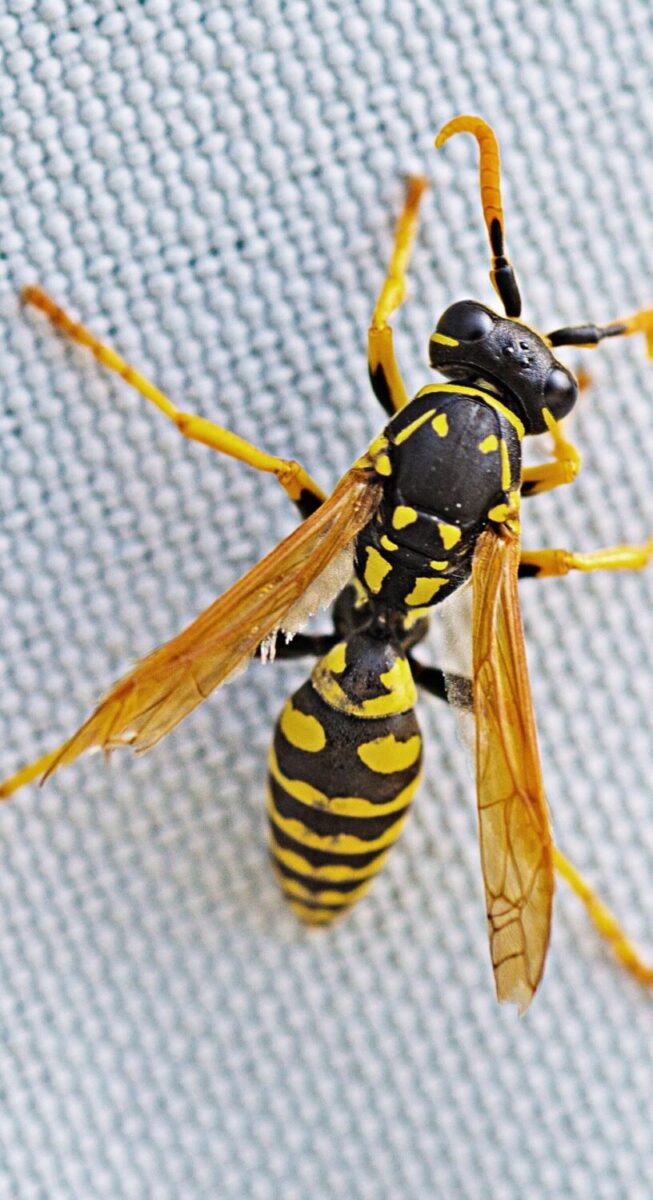
Flowering plants and fruit trees
Sugary drinks left outside
Gutter debris or exposed wood on siding
Why They’re a Problem:
Aggressive if threatened
Painful stings (especially near nesting sites)
Some species build nests in wall voids or eaves
Where We Find Them:
Under eaves, porches, and rooflines
In sheds, garages, and playground equipment
Burrowed in the ground in open yards
What Attracts Them?
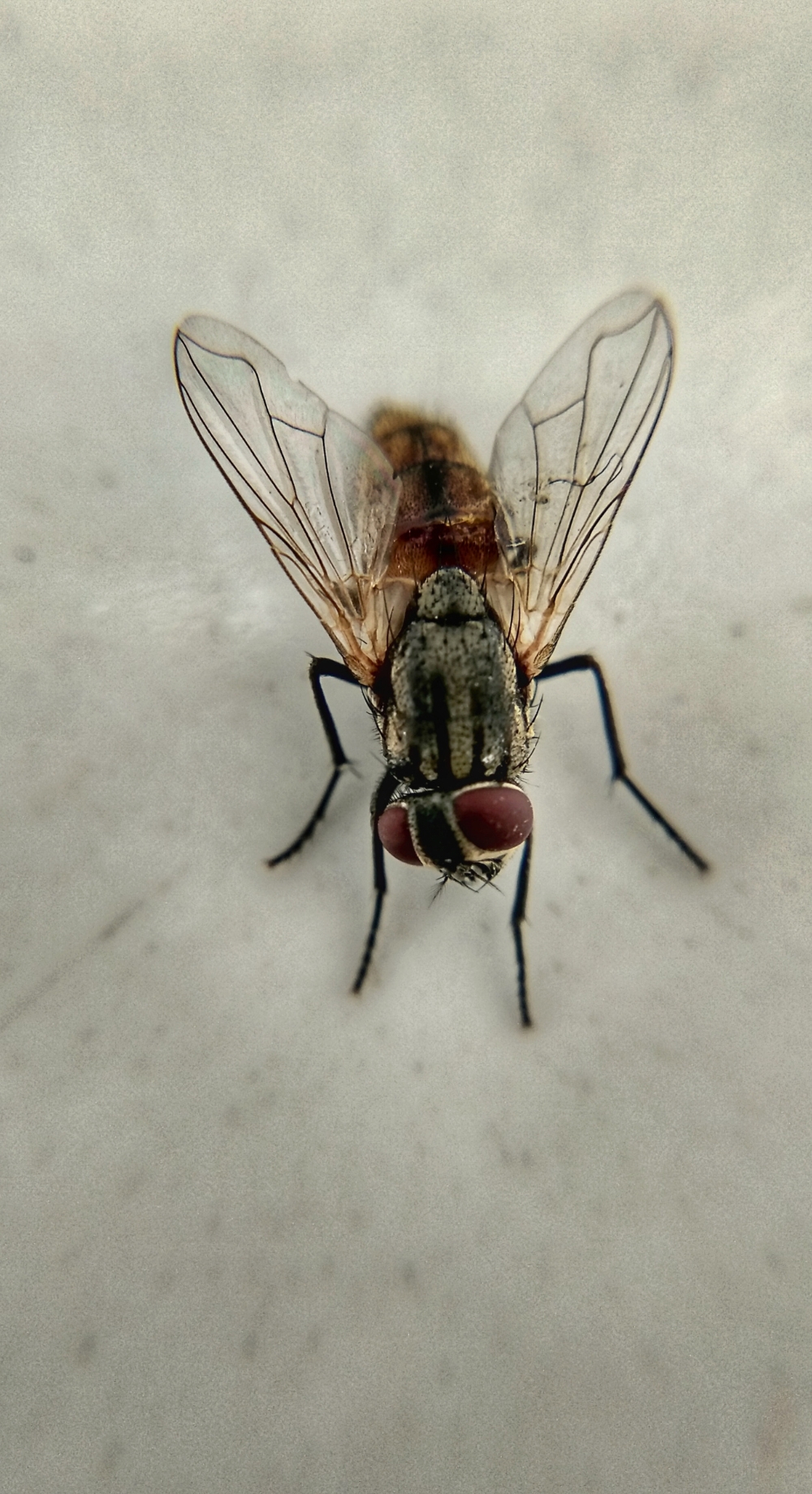
Trash bins, compost, and pet waste
Open food in kitchens or outdoor patios
Clogged drains or standing water
Why They’re a Problem:
Carry bacteria and pathogens
Lay eggs rapidly (up to 500 in a lifetime!)
Disrupt outdoor gatherings and food prep
Where We Find Them:
Kitchens, bathrooms, and drains
Near trash areas and dumpsters
Around pet feeding stations or kennels
What Attracts Them?
Leftover food, especially sweets and proteins
Moisture from leaks, gutters, or AC units
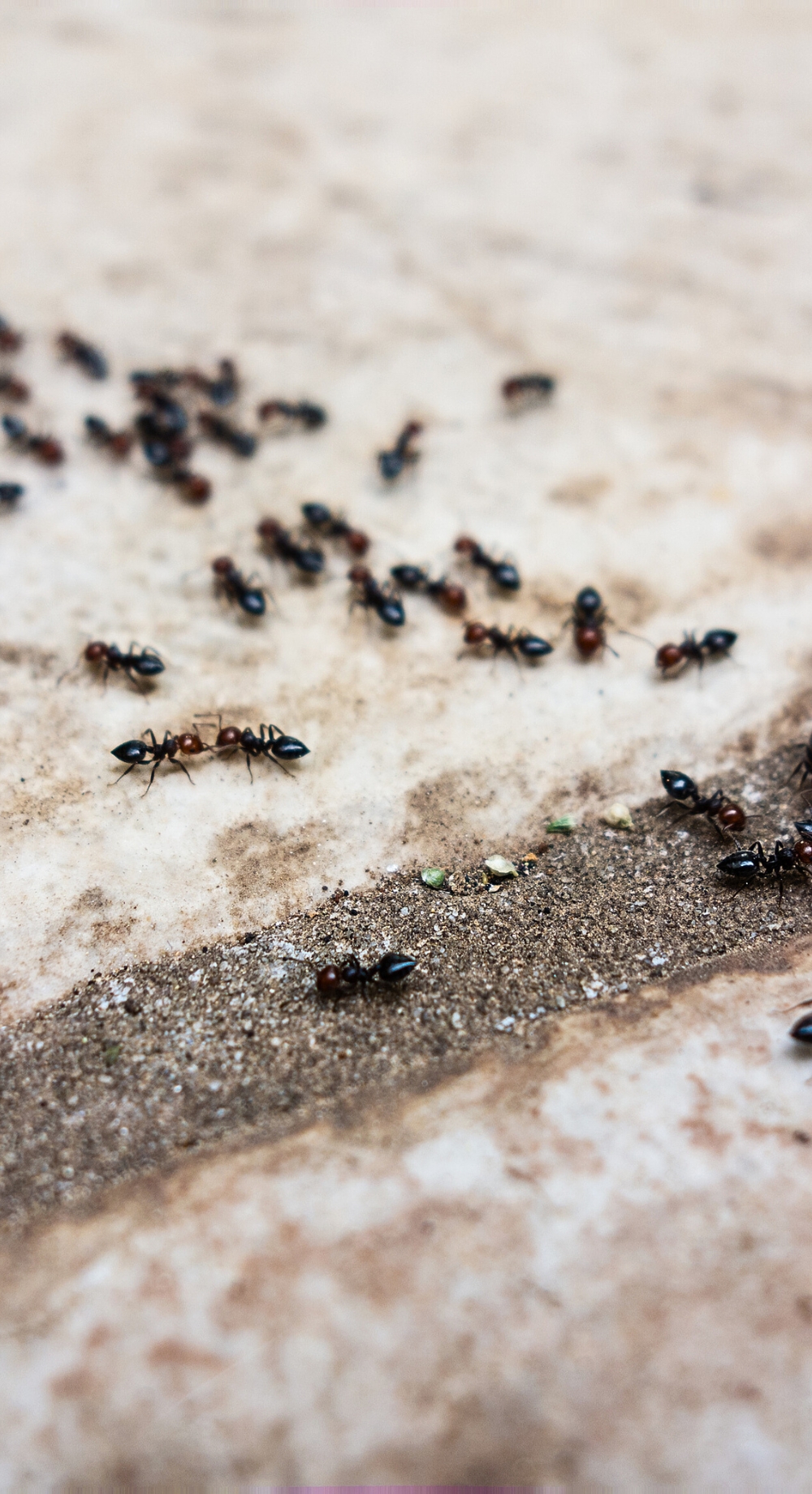
Mulch beds, stone walkways, and pavement cracks
Why They’re a Problem:
Carpenter ants can damage wood structures
Fire ants deliver painful, venomous stings
Odorous house ants invade pantries and kitchens
Where We Find Them:
Along baseboards, window sills, and doorframes
In yard mounds or landscaping features
Under appliances and near plumbing