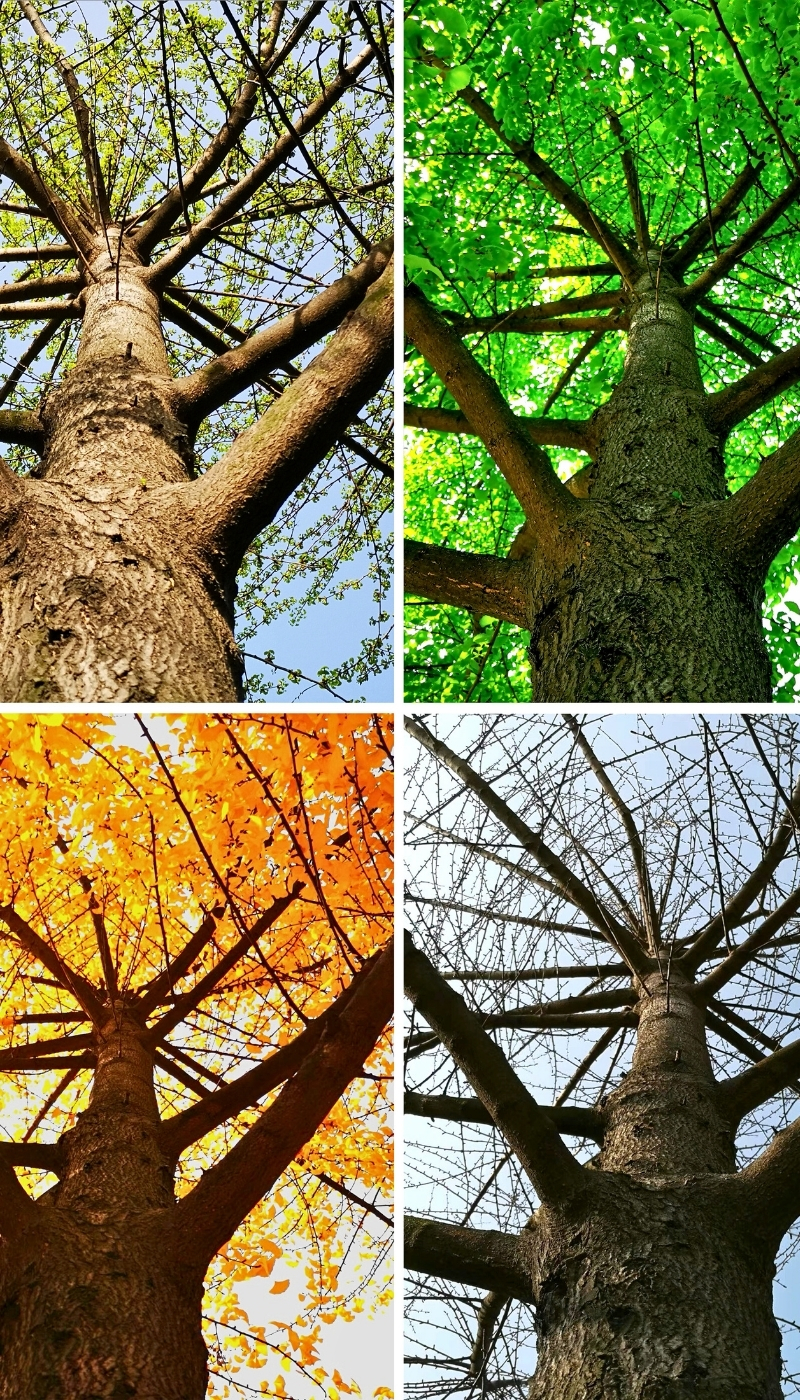
The North Dallas–Fort Worth region including Frisco, McKinney, Plano, Allen, Little Elm, and surrounding communities experiences long, hot summers, mild winters, and frequent shifts between dry spells and heavy storms. These weather patterns create ideal conditions for mosquito activity that can begin early in the year and stretch well into fall.
With rapid population growth, dense residential development, and a mix of greenbelts, creeks, lakes, and stormwater systems, North DFW sees steady mosquito pressure that fluctuates with the area’s changing weather.

Spring (March–May)
Spring is the unofficial start of mosquito season across North DFW.
Heavy spring rains and stormwater runoff produce temporary pools, ditches, and flooded low areas.
Warmer temperatures accelerate hatching and larval development.
Container-breeding Aedes species surge around homes and neighborhoods.
Wet springs often lead to strong early mosquito activity.
Summer (June–August)
North Texas summers are long, hot, and often humid — ideal conditions for rapid mosquito population growth.
High heat shortens the mosquito life cycle to 5–10 days, allowing populations to multiply quickly.
Sudden thunderstorms refill standing water across yards, creeks, and retention ponds.
High humidity helps adult mosquitoes survive longer and remain active in shaded areas.
Culex mosquitoes — the primary West Nile virus vector — peak during warm, stagnant evenings.
Summer is consistently the peak mosquito season across North DFW.
Early Fall (September–October)
Warm fall weather keeps mosquitoes active long after summer ends.
Warm, humid evenings allow Culex populations to remain strong.
Early fall storms can trigger late-season mosquito spikes.
Activity continues until regular nighttime lows reach the mid-50s.
Recent warmer autumns have extended mosquito season deeper into October across North Texas.
Winter (November–February)
True winter mosquito inactivity is brief in North DFW.
Most adult mosquitoes die off during freezes, but eggs from Aedes species survive winter easily.
Warm winter days — common in North Texas — can trigger limited adult activity.
Mild winters lead to more intense mosquito seasons the following spring.