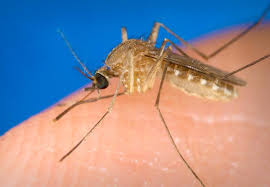
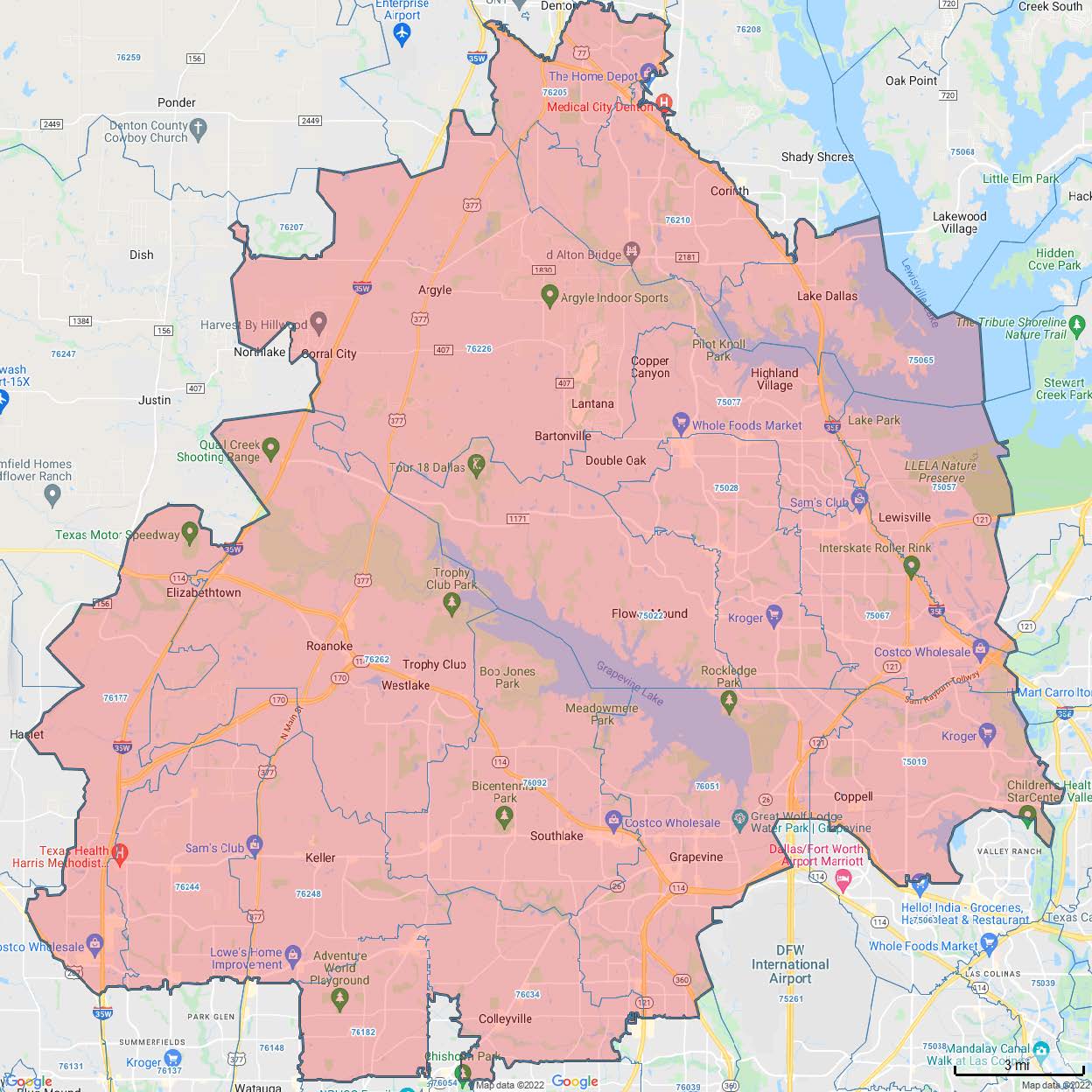
The North Dallas–Fort Worth area hosts a wide range of mosquito species due to its warm climate, suburban growth, and proximity to lakes, creeks, greenbelts, and stormwater systems. Mosquito activity begins in early spring and continues through late fall, with certain species tied to aggressive daytime biting and others associated with nighttime disease transmission.
Here are the most common mosquito species residents encounter across North DFW.
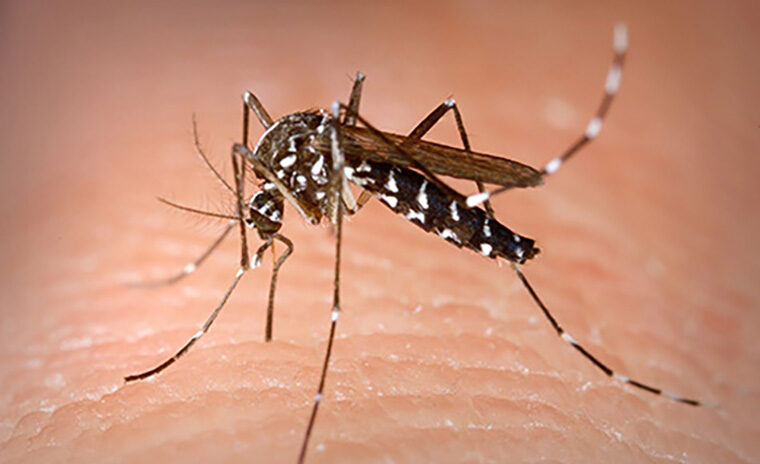
Well established in warmer regions of North Texas and increasingly found in suburban neighborhoods.
Key traits:
Daytime biter—active in shaded areas around yards.
Breeds in small containers like buckets, gutters, toys, and plant saucers.
Known globally for spreading Zika, Dengue, and Chikungunya in tropical areas.
Thrives in warm, urban environments.
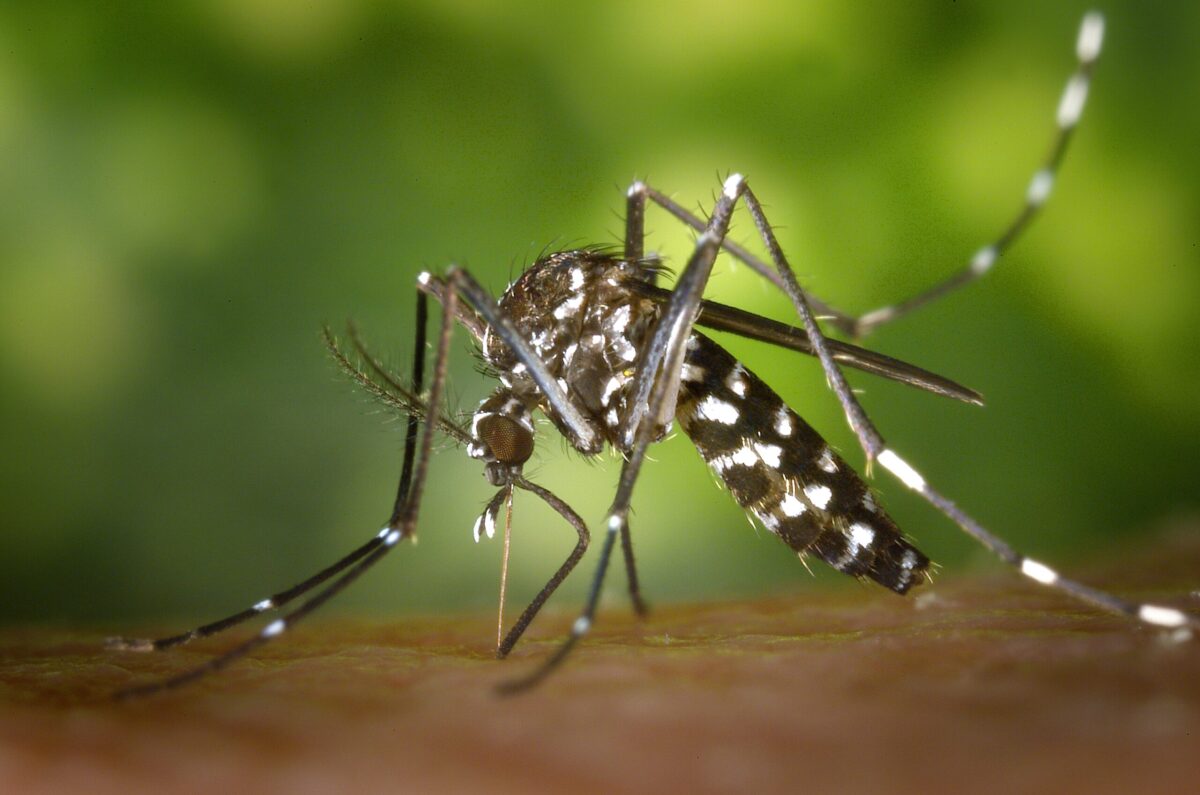
One of the most aggressive and widespread species across North DFW.
Key traits:
Active mainly during daylight hours.
Easily identifiable by black-and-white striping.
Populations spike after rainfall and during humid summers.
Prefers suburban landscapes with trees, shade, and abundant containers.
Extremely common following storms or flooding events.
Key traits:
Emerges in huge numbers after heavy rainfall.
Aggressive biter at dusk, dawn, and shaded areas.
Found around creeks, fields, drainage areas, and retention ponds.
Typically a nuisance species rather than a disease vector.
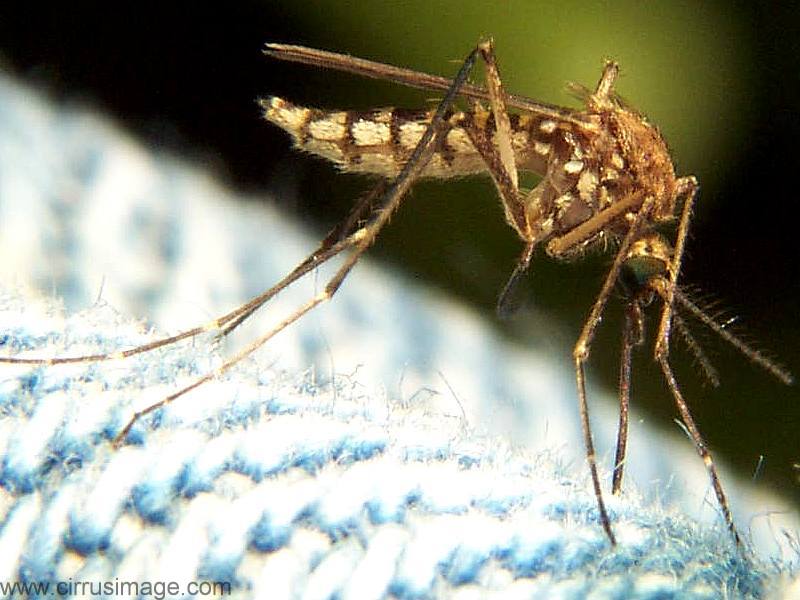
A key species associated with West Nile virus activity in North Texas.
Key traits:
Breeds in polluted or nutrient-rich standing water.
Strong nighttime biter.
Thrives in storm drains, retention ponds, ditches, and gutters.
Populations peak during warm late-summer nights.