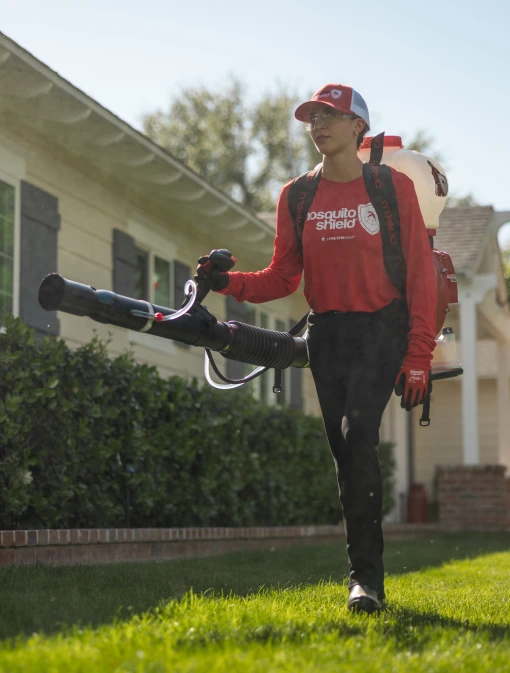
North Dallas experiences long, hot summers, periodic heavy rain, and rapid urban growth conditions that can contribute to mosquito population surges. While dry periods are common, storm runoff, irrigation systems, and standing water in residential areas can create breeding sites. When mosquito populations increase, so does concern about mosquito-borne illnesses that may affect residents, outdoor workers, and pets.
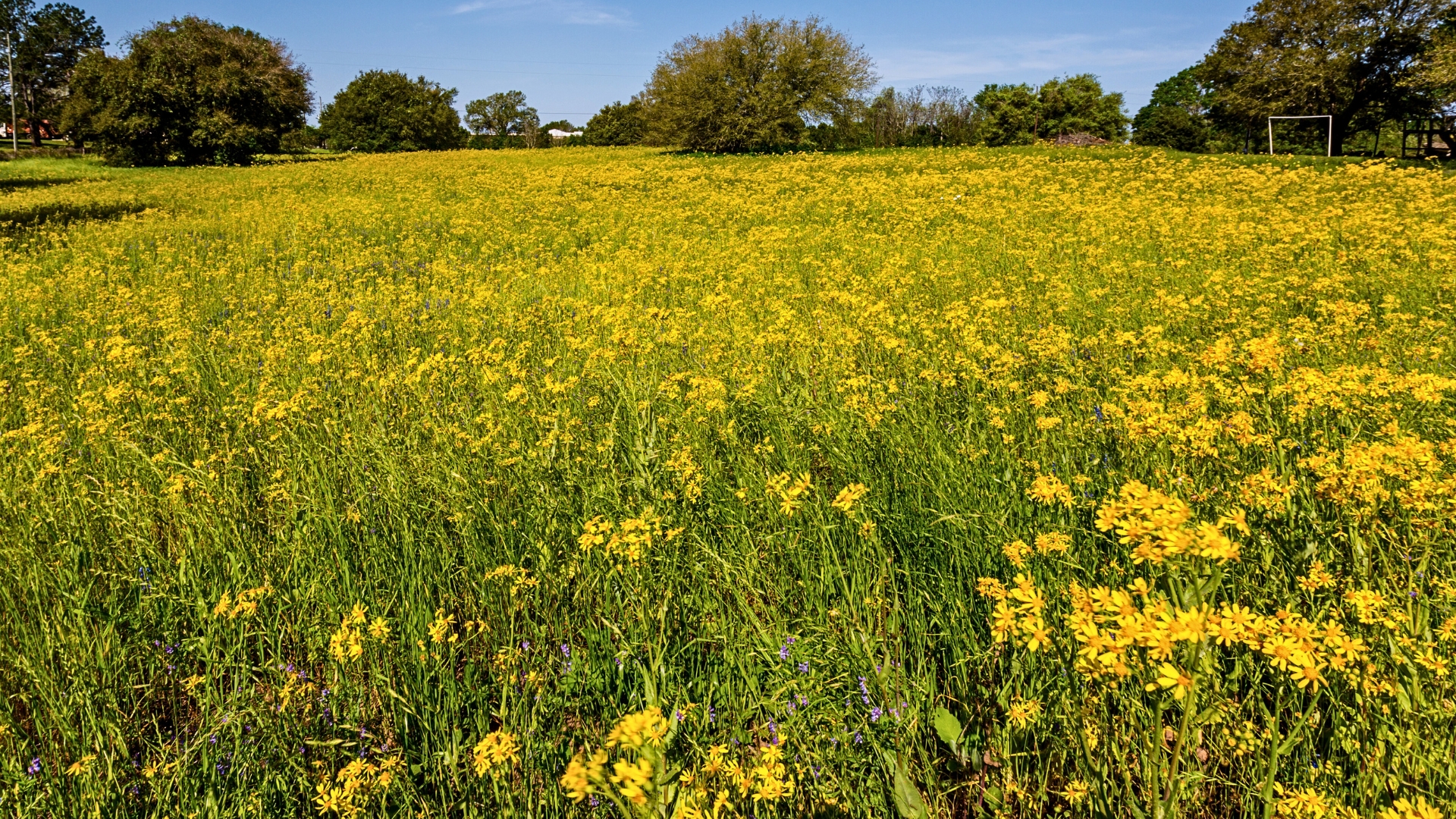
Mosquito populations can rise quickly when environmental conditions align:
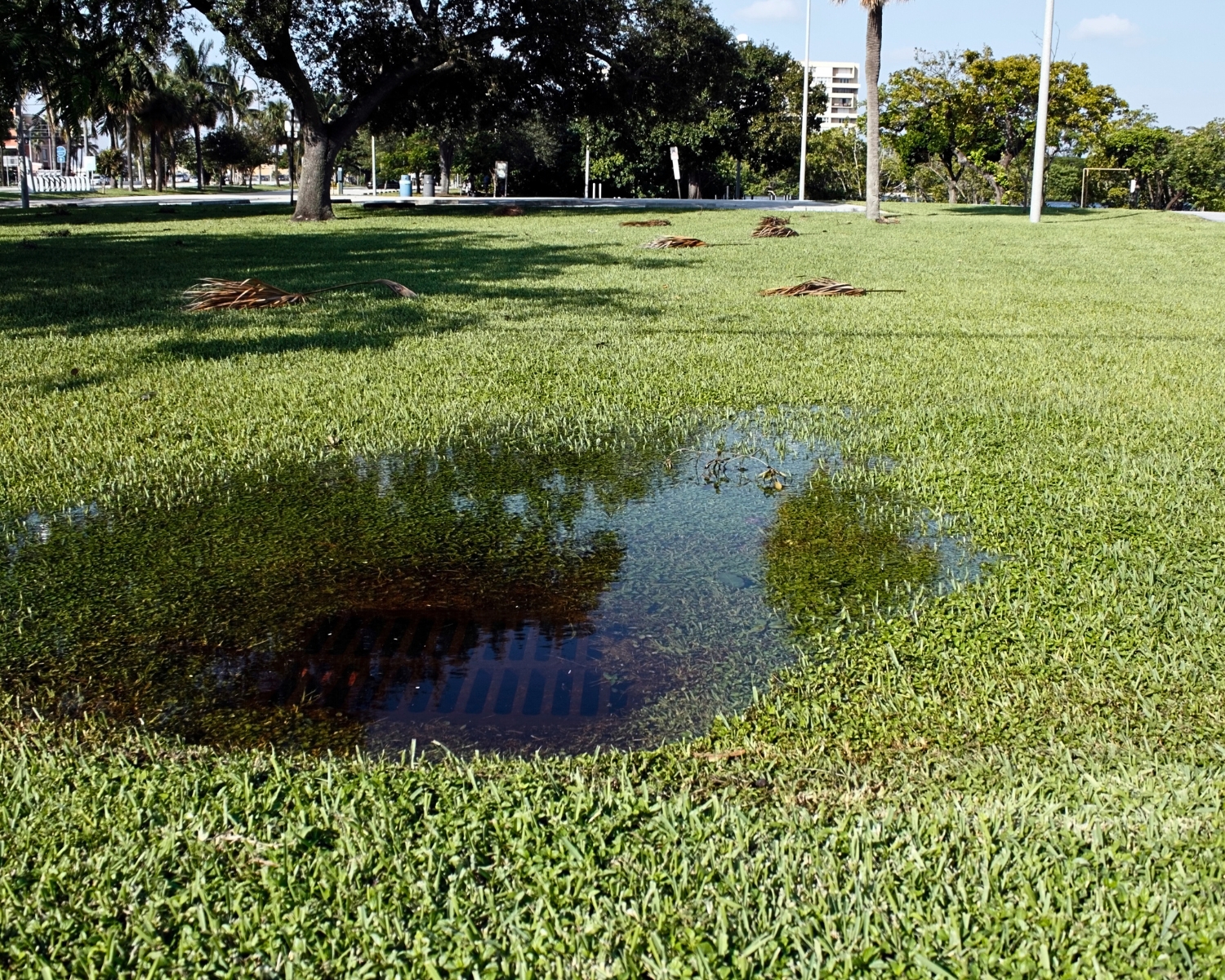
Heavy rainstorms creating temporary standing water
Irrigation and lawn watering providing consistent moisture
Warm temperatures accelerating mosquito life cycles
Stormwater retention ponds common in suburban developments
Containers and debris collecting water in residential areas
Under favorable conditions, mosquitoes can develop from egg to adult in about a week.
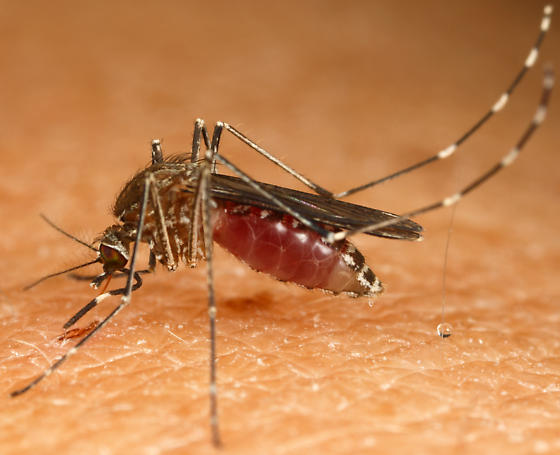
West Nile virus is the most commonly reported mosquito-borne illness in Texas.
How it spreads:
Transmitted by infected mosquitoes after feeding on birds
Humans and horses may be affected
Regional relevance:
North Texas, including the Dallas area, has experienced periodic West Nile outbreaks, particularly following wet seasons and prolonged heat.

How it spreads:
Transmitted by mosquitoes that feed on infected birds
Regional relevance:
Though less common, cases have been reported in Texas during years with high mosquito activity.
How it spreads:
Primarily associated with travel-related cases
Spread by Aedes mosquitoes capable of transmitting the virus
Regional relevance:
While local transmission has been limited, the presence of Aedes species in North Texas means conditions could support transmission if introduced.

Population Surges After Rainfall
Storm events create temporary breeding sites across neighborhoods, increasing mosquito numbers and potential exposure.
Warm Nighttime Temperatures
Extended warm evenings allow mosquitoes to remain active longer, increasing contact with people outdoors.
Bird Migration and Urban Wildlife
Birds serve as reservoirs for certain viruses, enabling transmission cycles to persist.
Outdoor Activity Patterns
Evening outdoor activities increase exposure during peak mosquito feeding times.