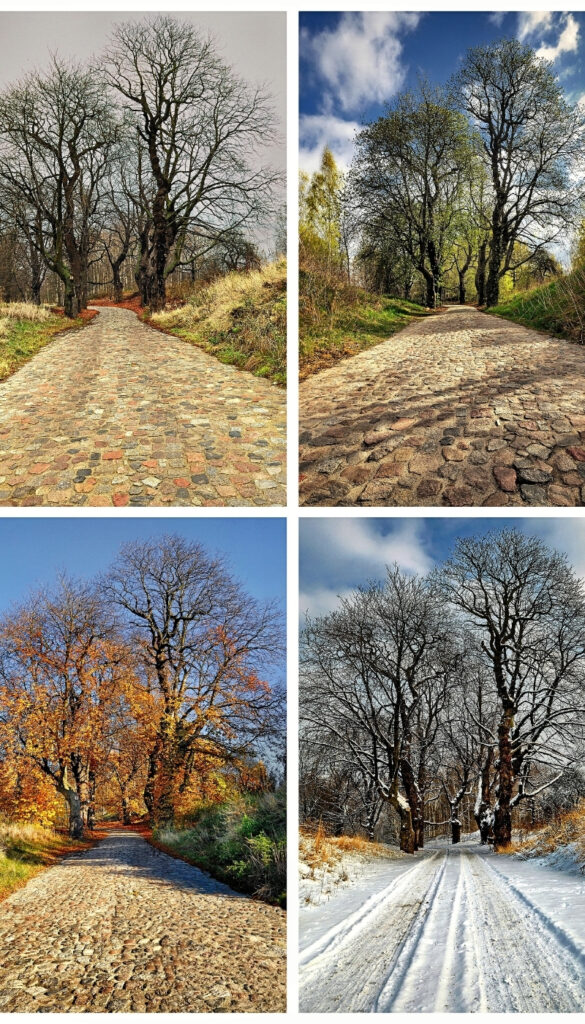
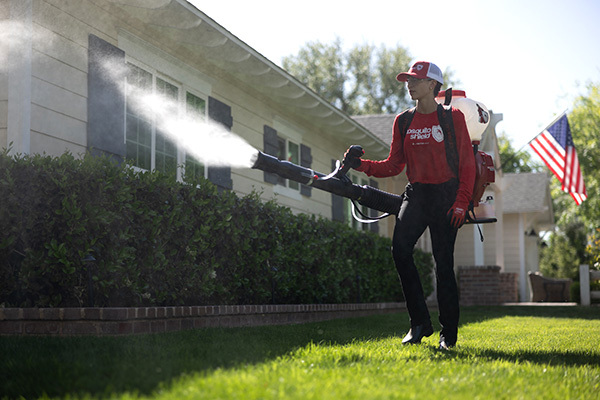
Set in the Tennessee Valley, Knoxville experiences a blend of southern humidity and Appalachian rainfall patterns that make it a prime environment for mosquitoes nearly half the year. From damp spring mornings to long, warm summer nights, the area’s shifting weather cycles quietly dictate when, and how intensely mosquito populations rise.
As temperatures climb in late spring, mosquito breeding begins in full force. Standing water from seasonal rains collecting in gutters, birdbaths, and shaded yard depressions creates countless micro-habitats for species like Aedes albopictus (the Asian tiger mosquito) to thrive. By early summer, Knoxville’s combination of warmth and humidity shortens mosquito development time, with eggs maturing into adults in less than a week.

Spring (March–May)
Frequent rain and rising temperatures mark the start of mosquito season. Early hatching occurs as soon as overnight lows stay above 50°F. Wet soil and yard puddles form ideal breeding spots.
Summer (June–August)
Peak mosquito season. Warm, humid air accelerates life cycles and increases evening activity. Populations are highest after heavy rain or around shaded, moisture-retaining areas.
Early Fall (September–October)
As temperatures cool but humidity lingers, mosquito numbers remain steady. Late-season rain events can cause short-term spikes before the first frost reduces activity.
Winter (November–February)
Cold snaps bring temporary relief, though certain eggs overwinter in protected areas, waiting to hatch when spring warmth returns. Milder winters in recent years have allowed limited mosquito presence even into early February.