Strafford, New Hampshire sits in a region where long winters, heavy snowfall, and fluctuating spring temperatures play a critical role in shaping tick populations each year. Unlike warmer regions where ticks remain active most of the year, tick survival in Strafford is heavily influenced by snow cover, soil moisture, and how quickly spring temperatures rise.
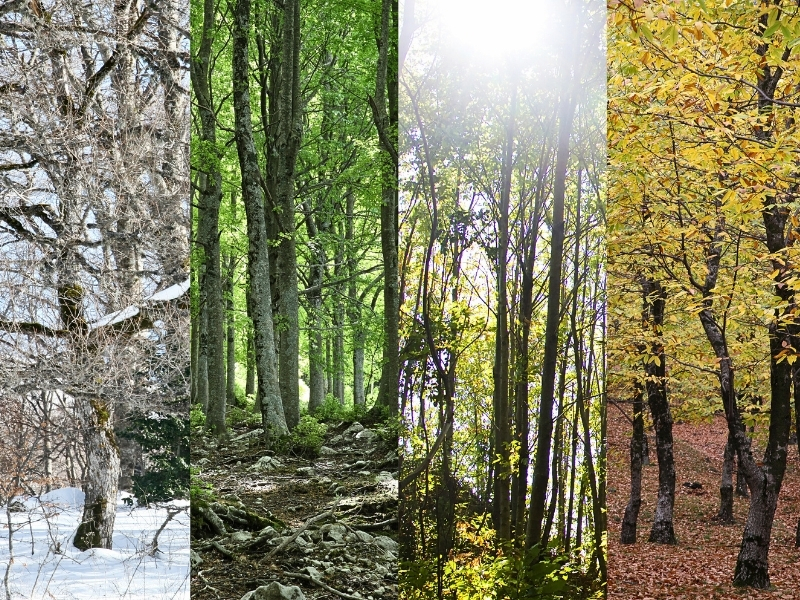
Snow as Insulation, Not Elimination
While snow may appear hostile, it often protects ticks rather than kills them.
Snow acts as an insulating blanket, keeping ground temperatures more stable.
Ticks overwinter beneath leaf litter, soil, and forest debris where snow prevents extreme cold exposure.
Consistent snow cover can actually increase overwinter survival rates, especially for blacklegged (deer) ticks.
In wooded areas around Strafford, deeper snowpack can allow ticks to survive harsh winters more successfully than during colder, snow-free seasons.
How Snowmelt Triggers Tick Activity
Moisture Creates Ideal Early-Season Conditions
As snow melts, it saturates soil and leaf litter creating an ideal microclimate for ticks.
Moist ground prevents ticks from drying out as they become active.
Meltwater pools in forest edges, trails, and yard borders where ticks are commonly encountered.
Early snowmelt can expose ticks weeks earlier than residents expect.
Areas near wooded yards, trails, and low-lying property edges are often the first to see tick activity once snow recedes.
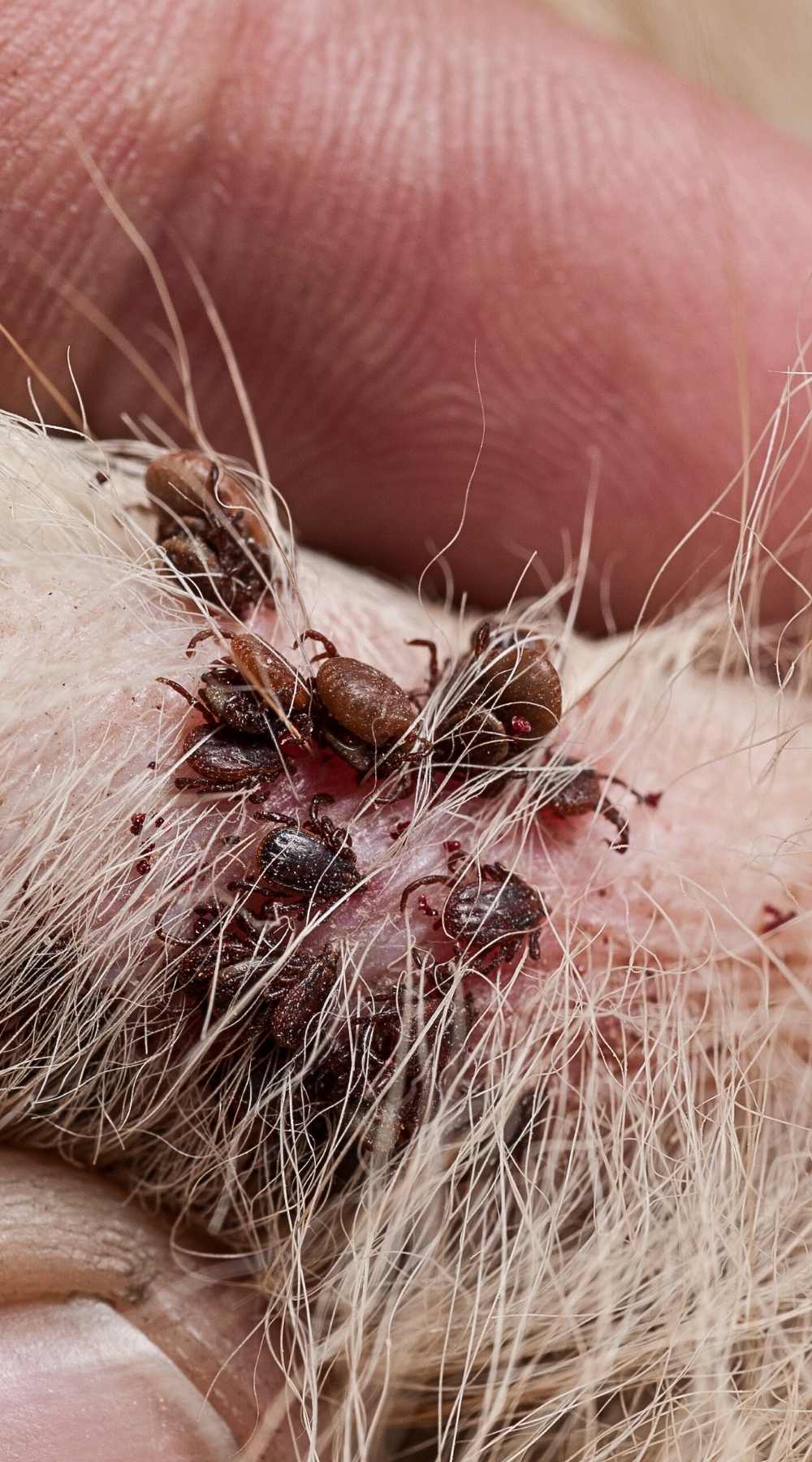
Warm Spells Wake Ticks Early
Ticks become active when temperatures consistently rise above 40–45°F, even if winter is not fully over.
Short warm spells in March or early April can trigger early host-seeking behavior.
Repeated freeze–thaw cycles do not necessarily kill ticks once they are insulated in leaf litter.
Earlier spring warmth leads to longer active seasons, increasing the chance of human and pet encounters.
In Strafford, years with early spring thaws often see ticks active weeks earlier than average.
Longer Seasons Mean More Ticks
Early survival and activation have a compounding effect:
Ticks that survive winter enter spring ready to feed and reproduce.
Earlier feeding allows ticks to progress through life stages sooner.
Extended warm seasons allow more successful breeding cycles.
When snowmelt is followed by steady mild temperatures, tick populations can build rapidly by late spring.