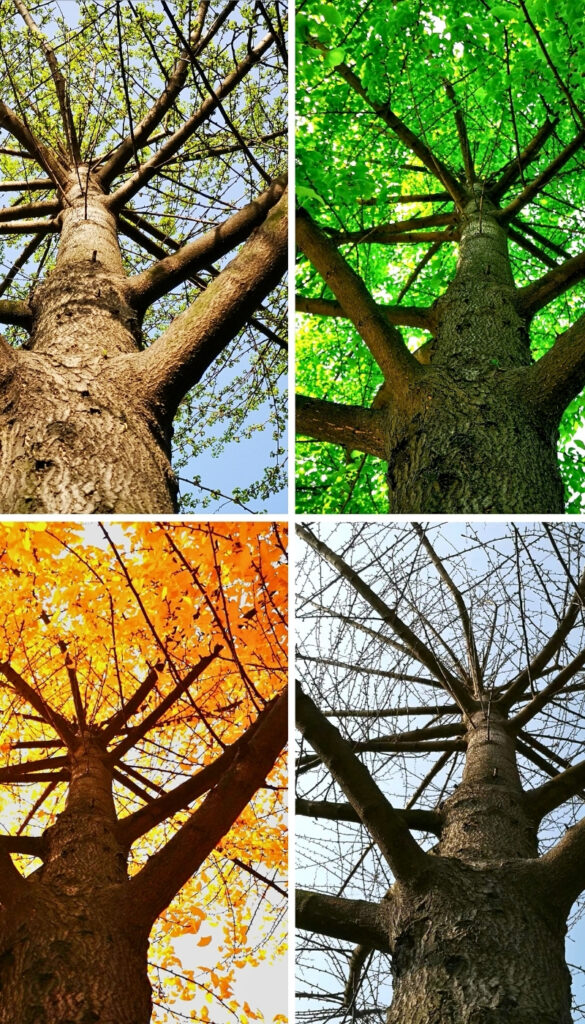
In Frisco, Texas, mosquito activity follows a seasonal pattern influenced by the local climate. Winters are mild but can slow mosquito development, while spring brings warmer temperatures and increased rainfall. These conditions create ideal breeding environments, making spring the critical time to begin mosquito control efforts for homeowners and residents.
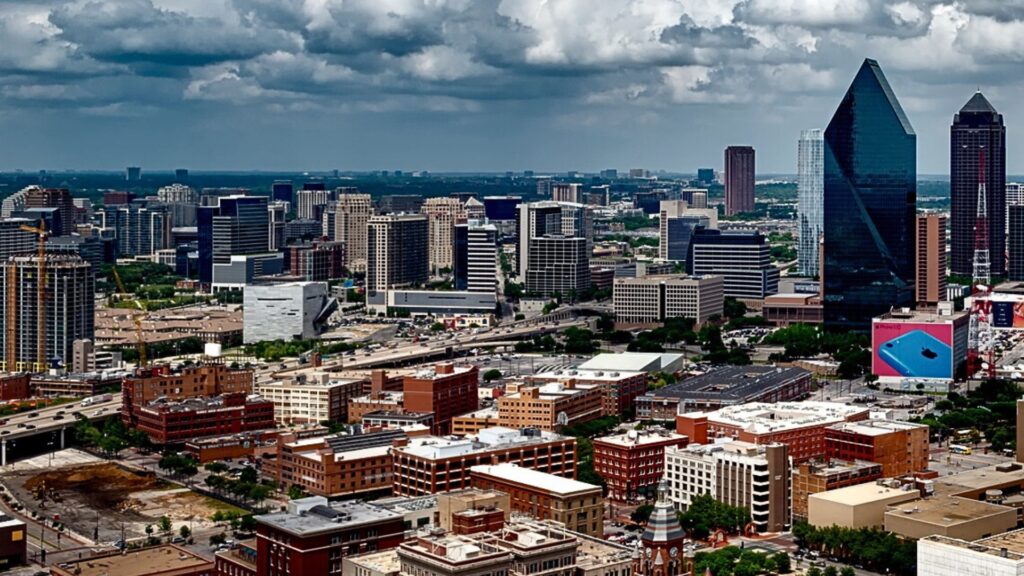
Frisco’s combination of warm springs, standing water sources, and suburban
landscaping supports several mosquito species. These insects find ample
breeding sites in natural and artificial containers, ponds, and poorly
drained areas. The expanding urban environment also provides shelter and
food sources, allowing mosquito populations to grow rapidly as temperatures
rise.
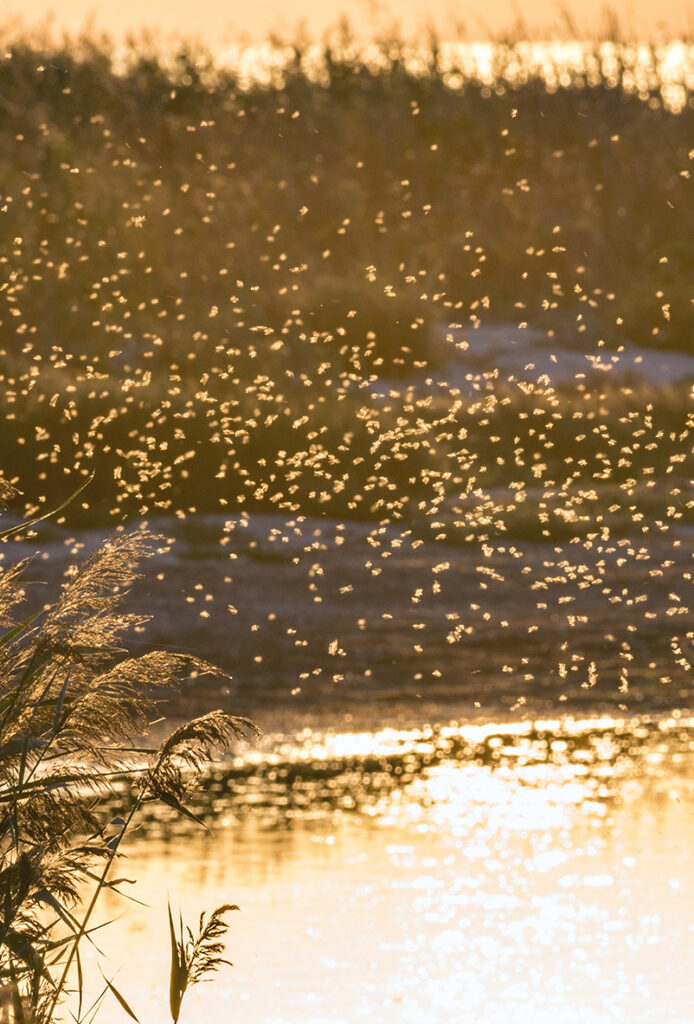
1. Winter (December to February)
– Mosquito activity is low due to cooler temperatures
– Most species enter a dormant or reduced activity phase
– Breeding sites are limited
2. Spring (March to May)
– Temperatures rise, increasing mosquito breeding and activity
– Rainfall creates new standing water habitats
– Early emergence of multiple mosquito species
3. Summer (June to August)
– Peak mosquito activity with high temperatures and humidity
– Rapid breeding cycles and population growth
– Increased biting pressure on residents
4. Fall (September to November)
– Activity gradually decreases as temperatures cool
– Mosquito populations decline but may persist into late fall
– Breeding sites become less common