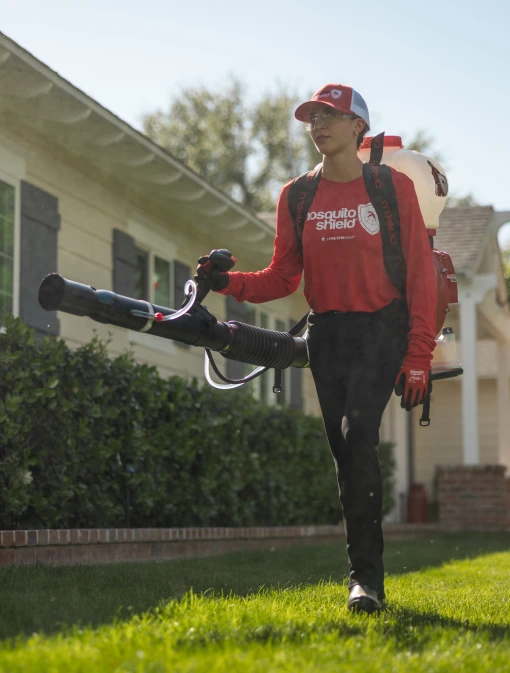
Frisco’s rapid residential growth, warm climate, and extended outdoor season create conditions where several common insects thrive around homes and commercial properties. Mild winters allow many species to persist year-round, while hot summers accelerate breeding cycles. Landscaping irrigation, retention ponds, and suburban greenbelts further support insect activity.
Understanding these species and why they appear helps explain seasonal patterns in the Frisco are

Several environmental factors contribute to increased activity:
Long warm seasons supporting extended breeding cycles
Irrigation systems maintaining moisture
Suburban landscaping with dense shrubs and mulch
Retention ponds and drainage areas
Garage storage and outdoor structures providing shelter
These conditions create both moisture and harborage — two key ingredients for insect persistence.
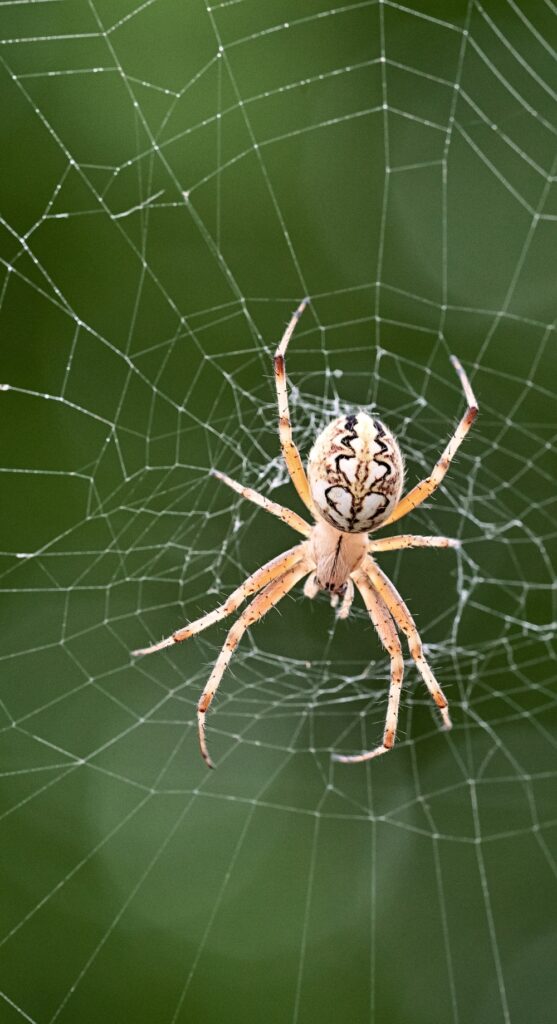
Where they are found:
Garage corners and eaves
Shrubs and dense landscaping
Attics and storage areas
Patio furniture and fencing
Seasonal activity:
Most visible in late summer and fall when populations peak.
Regional relevance:
Spiders increase where insect prey is abundant. Warm North Texas weather supports multiple breeding cycles each year.
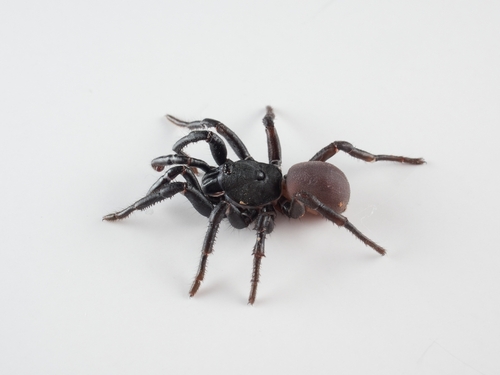
Where they are found:
Along foundations
Under mulch and landscaping
Cracks in sidewalks and driveways
Kitchen and pantry areas indoors
Seasonal activity:
Active year-round, with peak colony expansion in spring and summer.
Regional relevance:
Fire ants and odorous house ants are common in North Texas, especially after rain.
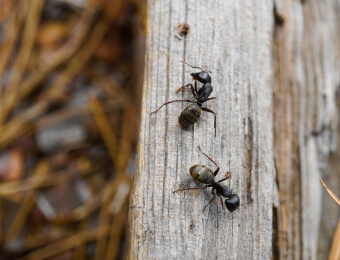
Where they are found:
Along foundations
Under mulch and landscaping
Cracks in sidewalks and driveways
Kitchen and pantry areas indoors
Seasonal activity:
Active year-round, with peak colony expansion in spring and summer.
Regional relevance:
Fire ants and odorous house ants are common in North Texas, especially after rain.
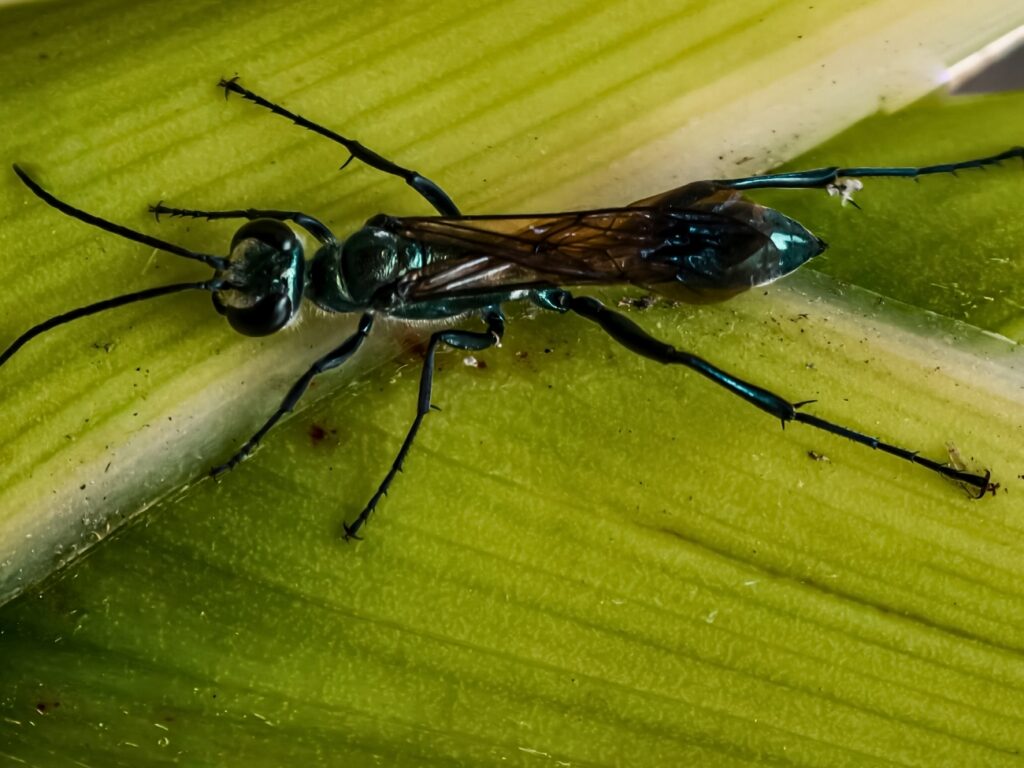
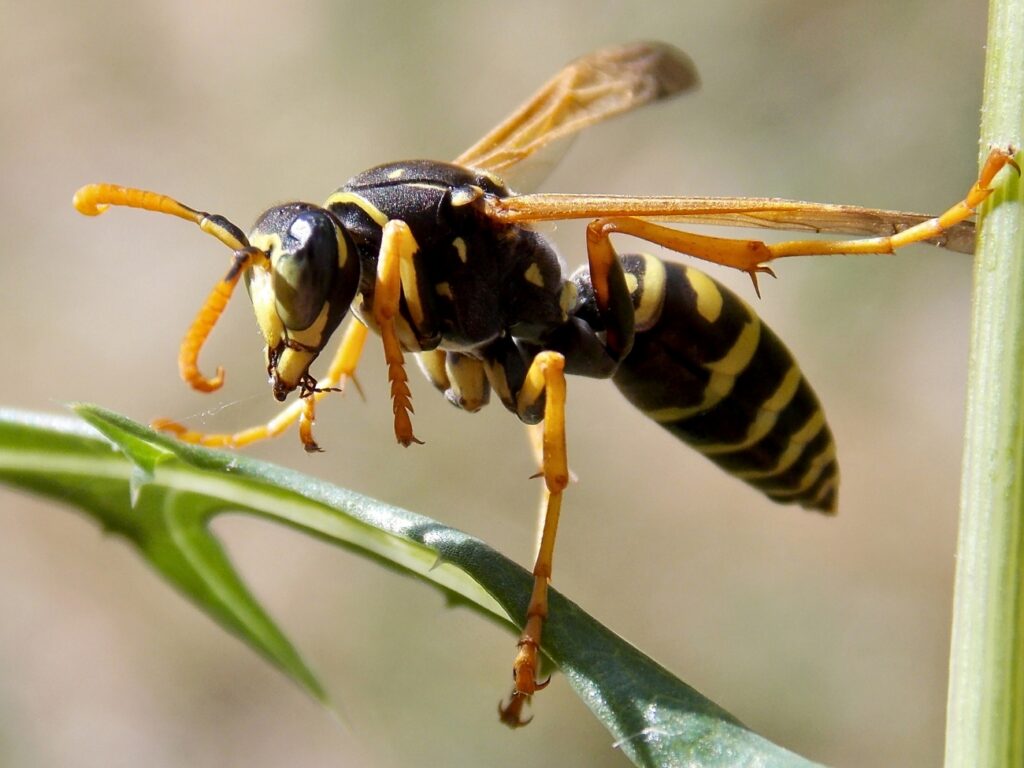
Where they are found:
Rooflines and overhangs
Trees and shrubs
Outdoor seating areas
Fence posts and decks
Seasonal activity:
Spring nest building with peak visibility in summer.
Regional relevance:
Paper wasps and yellowjackets are frequently observed in suburban North Texas neighborhoods.