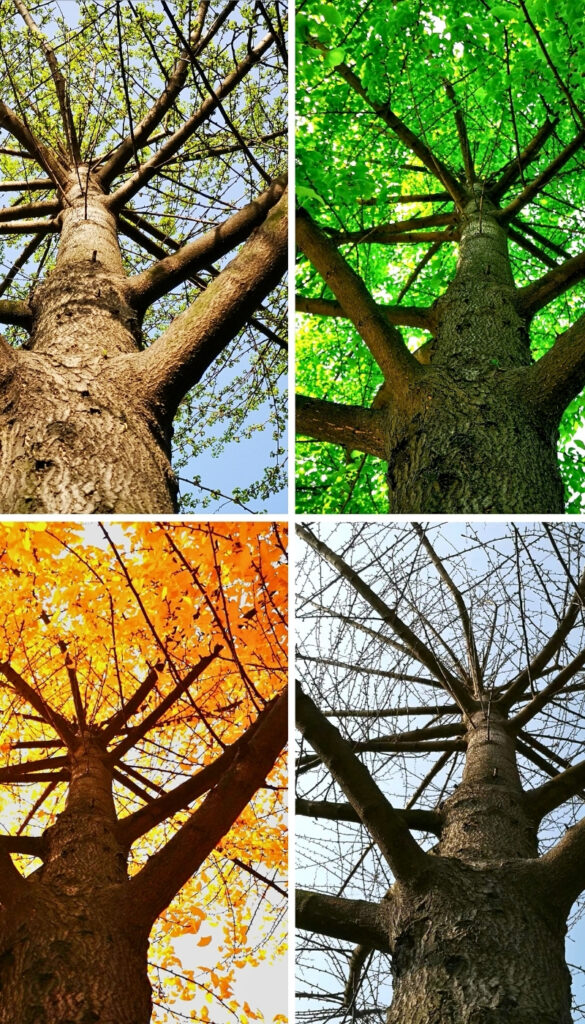
Frisco sits at the crossroads of North Texas weather extremes where heat, humidity, and sudden downpours shape the rhythm of mosquito activity throughout the year. Understanding how local conditions affect breeding cycles and population surges can help residents stay ahead of peak mosquito season.
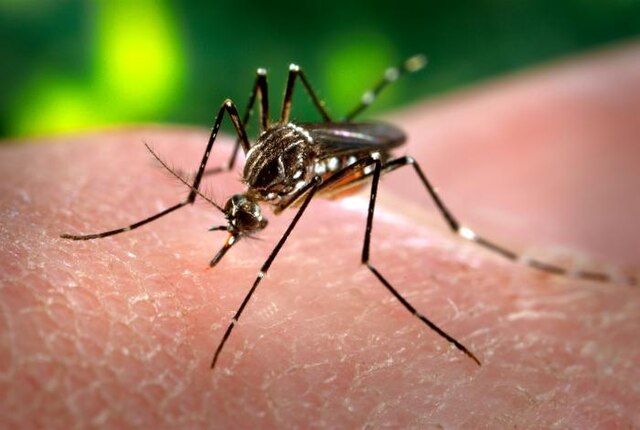
By late spring, as warm Gulf air pushes north and rain showers increase, mosquito populations across Frisco begin to thrive. Standing water in yards, planters, and storm drains creates prime breeding environments for species like Aedes aegypti and Aedes albopictus. These aggressive, daytime-biting mosquitoes are well adapted to urban and suburban areas, making neighborhood backyards a common battleground.
Spring (March–May)
Rising temperatures and intermittent rain signal the start of mosquito season. Breeding begins in small puddles, flowerpots, and gutters. Larvae develop quickly with each new warm front.
Summer (June–August)
Peak season arrives as heat and humidity combine to accelerate breeding cycles. Mosquitoes are most active at dawn and dusk, with nighttime warmth allowing for near-continuous feeding opportunities.
Late Summer / Early Fall (September–October)
Moisture from late storms and lingering heat keep mosquito populations active well into fall. Frisco’s mild autumn temperatures often extend the window for biting activity, particularly after rainfall.
Winter (November–February)
Cooler, drier air slows mosquito activity, but eggs from certain species survive in dormant form, ready to hatch as soon as temperatures rise again. Mild winters can lead to earlier-than-usual emergence the following spring.
In recent years, above-average rainfall in North Texas has extended mosquito season well into October.
Frisco’s mosquito activity closely follows the rhythm of Texas weather: long stretches of warmth punctuated by storms that leave standing water behind.