The Frisco area, situated within the rapidly developing suburban corridor of Collin and Denton Counties, provides a diverse range of habitats for various mosquito species. These are generally categorized into three functional groups based on their behavior and health implications:
This is the primary vector for West Nile Virus (WNV) in North Texas. These mosquitoes are most active from dusk to dawn. They favor “nutrient-rich” or stagnant water typically found in storm drains, catch basins, and neglected swimming pools.
Known as “container breeders,” these aggressive daytime biters thrive in suburban backyards. They require only a bottle-cap amount of water—found in flowerpots, clogged gutters, or children’s toys—to reproduce. They are the potential vectors for Zika, Dengue, and Chikungunya.
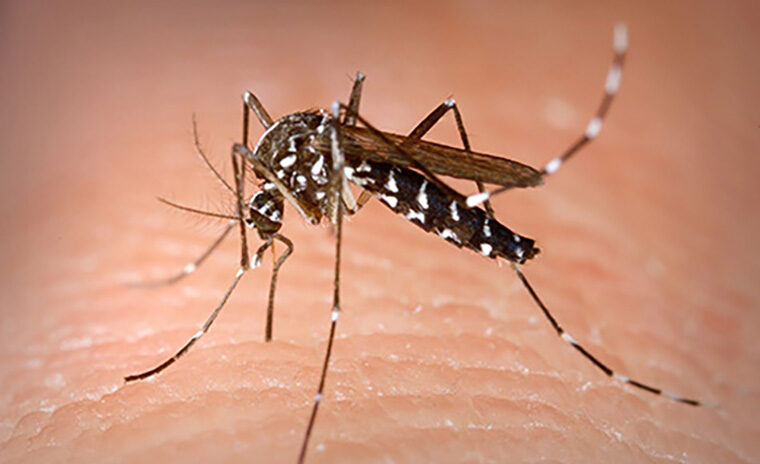
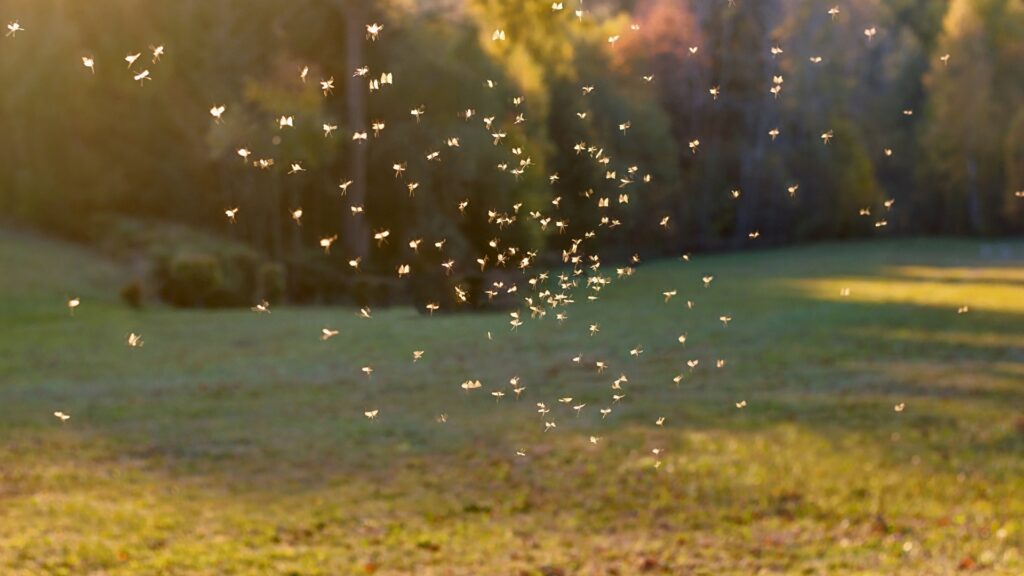
While primarily considered a “nuisance” species because they do not frequently carry human diseases in this region, they emerge in massive numbers following heavy North Texas thunderstorms. They are capable of traveling several miles from their hatching site in search of a blood meal.
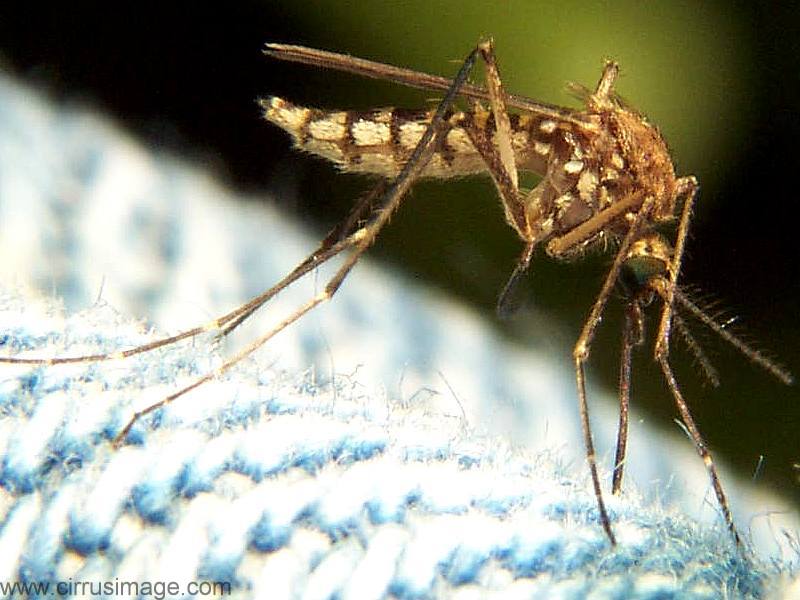
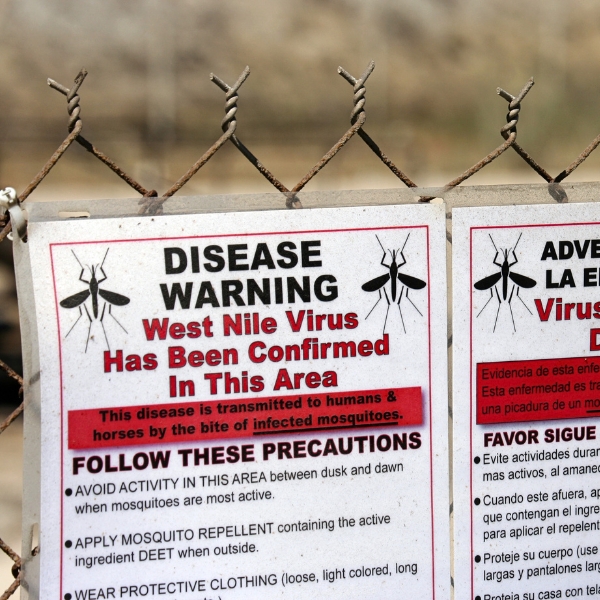
WNV is endemic to Texas, and Collin County consistently reports positive mosquito pools during the summer months.
Transmission Cycle: The virus circulates between birds and mosquitoes. Humans are “dead-end hosts,” meaning the virus cannot be spread from human to human through mosquito bites.
Prevalence: Data from 2025 indicated a notable increase in WNV activity across the state, with Texas frequently ranking among the top five states for neuroinvasive cases.
Symptomology: While many infections are asymptomatic, severe cases can lead to West Nile Neuroinvasive Disease (WNND), affecting the central nervous system.