Our mosquito control services are tailored specifically for Dallas’s unique environment, offering a powerful and effective solution that has been fine-tuned over the past 20 years. Designed to handle the area’s warm, humid climate and frequent storms, our treatments not only eliminate mosquitoes on contact but also provide ongoing protection. With a focus on both immediate relief and long-term prevention, we help you enjoy your outdoor spaces without the constant nuisance of mosquitoes.

Our treatment instantly targets and eliminates mosquitoes in Dallas’s warm, mosquito-prone environment for immediate relief.

By addressing mosquito breeding hotspots commonly found in Dallas, we help reduce population growth and control future infestations.

Our solution forms a virtual barrier specifically designed to withstand Dallas’s weather, keeping mosquitoes out and allowing you to enjoy your yard.


Your family’s safety doesn’t stop at mosquitoes. Ticks can hide in grass, wooded edges, and shaded areas — putting kids and pets at risk. Our Tick Shield service is designed to reduce tick populations where they live, helping you create a safer, more comfortable yard all season long.

Different mosquito species vary in behavior, breeding habits, and peak activity times, which directly impacts how they show up around your property. Understanding these differences is key to targeting them effectively and maintaining consistent control throughout the season.
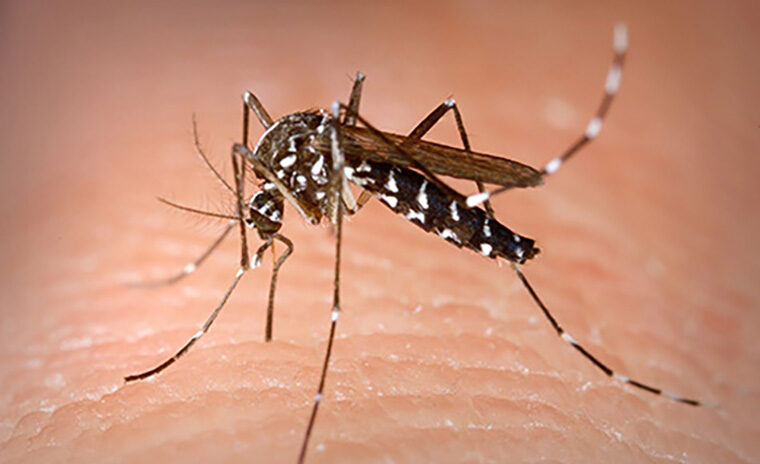
Identification: Small, black mosquito with white leg stripes and a lyre-shaped pattern on its back.
Habitat: Thrives in urban residential areas—especially in flowerpots, gutters, and pet bowls.
Behavior: Aggressive daytime biter; prefers biting people over animals.
Health Risks: Capable of transmitting Zika virus, dengue, and chikungunya.
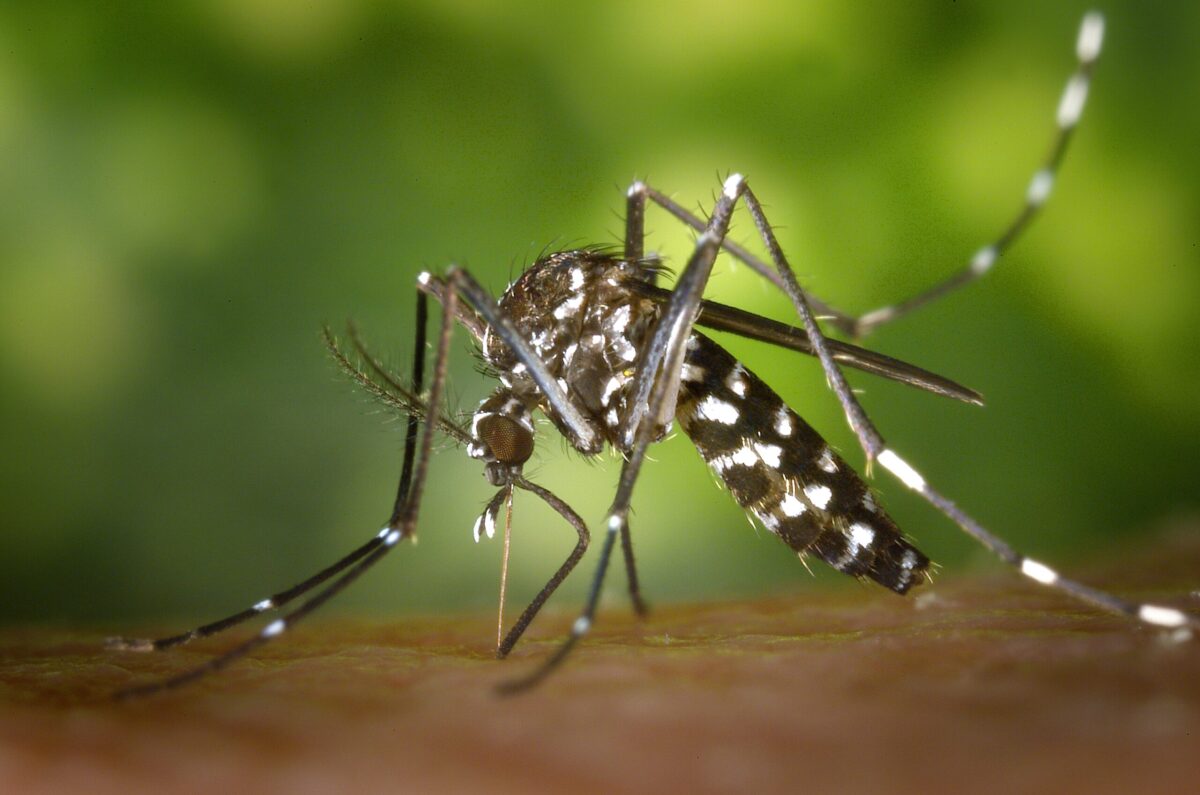
Identification: Striking black-and-white coloration with a single white stripe down its back.
Habitat: Common in East Dallas backyards, parks, and shaded patios; breeds in small containers.
Behavior: Active during the day; often bites around ankles and lower legs.
Health Risks: Can transmit West Nile virus, Zika, and dengue.
Identification: Light brown mosquito with narrow banding on its abdomen.
Habitat: Found near standing water—storm drains, birdbaths, and neglected swimming pools.
Behavior: Bites mainly after dark and often sneaks indoors.
Health Risks: Primary carrier of West Nile virus in the Dallas area.
Identification: Medium-sized with four dark spots on each wing; rests angled upward.
Habitat: Prefers clean, slow-moving freshwater such as White Rock Lake tributaries.
Behavior: Most active at dawn and dusk.
Health Risks: Historically linked to malaria; still a source of annoying, itchy bites.
Our unique approach to mosquito control delivers proven, effective results you can rely on. With treatments designed for rapid impact, you’ll notice a significant reduction in mosquito activity shortly after the first application. Our method ensures your outdoor spaces become more enjoyable quickly.
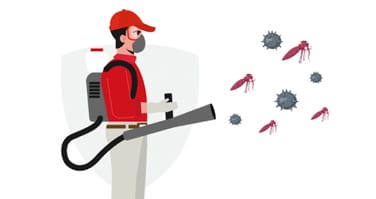
Any mosquitoes living around active areas of the home will be killed on contact with our proprietary formula. We train our technicians to target these areas so we can maximize the effectiveness of the spray.

Female mosquitoes are attracted to the scents we emit. Our proprietary formula is specially created to mask them. Once our treatment has been applied, mosquitoes will avoid your property.

As treatments are performed, a vertical barrier is established which strengthens with each mosquito control service visit. This will shield your yard from pesky mosquitoes.
Experience the most comprehensive mosquito and tick control service designed for the Southern U.S. climate, helping you enjoy your outdoor spaces in Dallas without the nuisance of pests. Here’s what to expect:

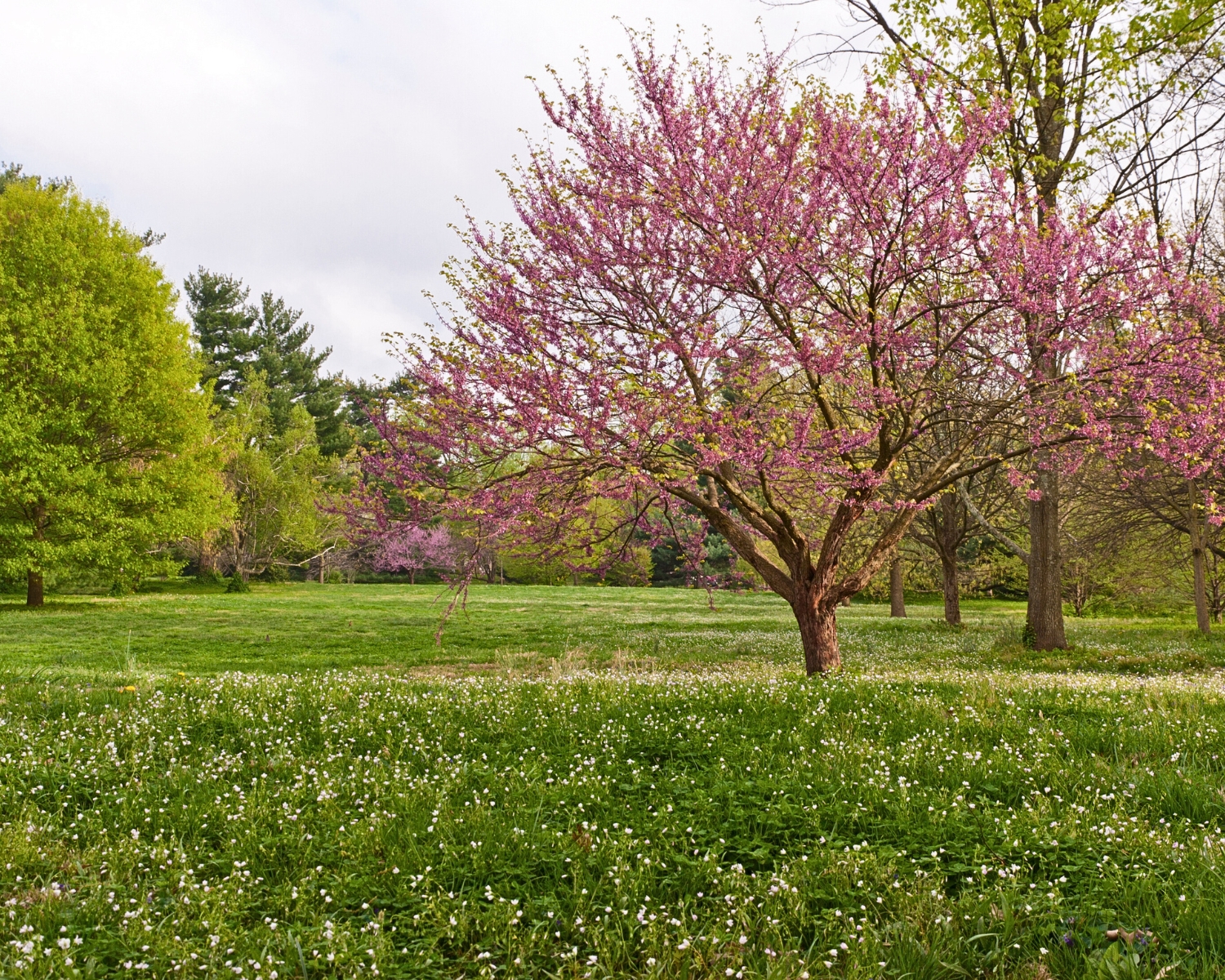
Key Activity: Mosquito season ramps up with warming temperatures and spring rainstorms.
Breeding: Rainwater and irrigation runoff collect in East Dallas yards, waking dormant eggs.
Common Species Active: Aedes aegypti and Culex quinquefasciatus start emerging.
Behavior: Biting picks up early, especially around sunrise and sunset.

Key Activity: Peak mosquito season—hot, humid, and rainy conditions fuel explosive breeding.
Breeding: Any stagnant water—planters, puddles, tarps, or clogged gutters—becomes a hot spot.
Common Species Active: Aedes albopictus, Aedes aegypti, and Culex quinquefasciatus thrive.
Behavior: Biting happens all day and into the night; outdoor activities require planning.
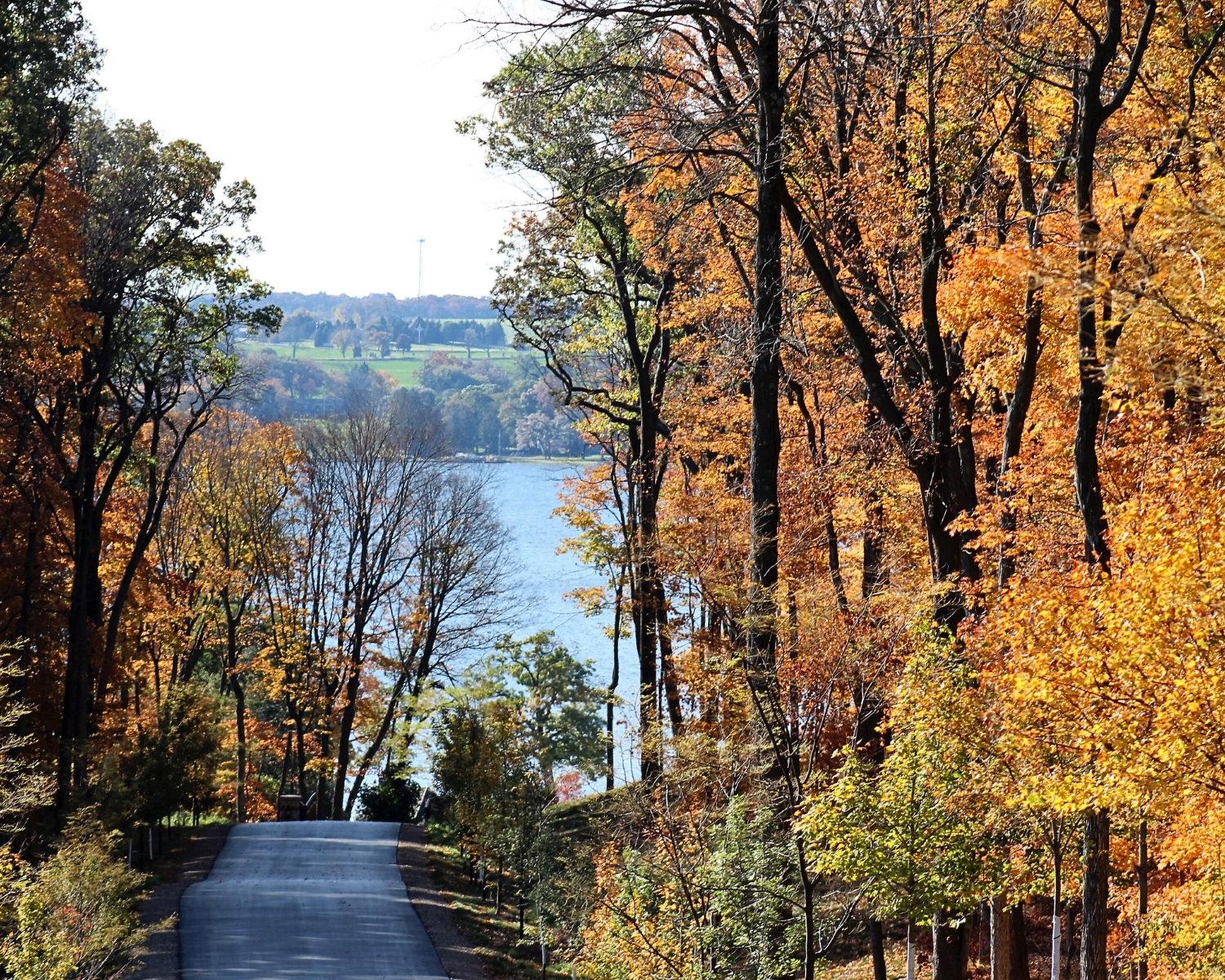
Key Activity: Activity slows down, but mosquitoes persist through warm fall evenings.
Breeding: Storm drains and shaded areas continue hosting larvae.
Common Species Active: Culex and Aedes species linger into mid-November.
Behavior: Mosquitoes remain active in wooded or damp zones like those near White Rock Creek.

Key Activity: Activity dips but doesn’t vanish—East Dallas winters are mild.
Eggs: Aedes eggs survive in dry locations, waiting for spring rain.
Adults: Some Culex adults overwinter in sheds, garages, and crawlspaces.
Behavior: A warm winter day can bring a surprising bite or two.

East Dallas is especially prone to fluctuating mosquito activity driven by the area’s changing weather.

Here are the most common species residents encounter in East Dallas neighborhoods.
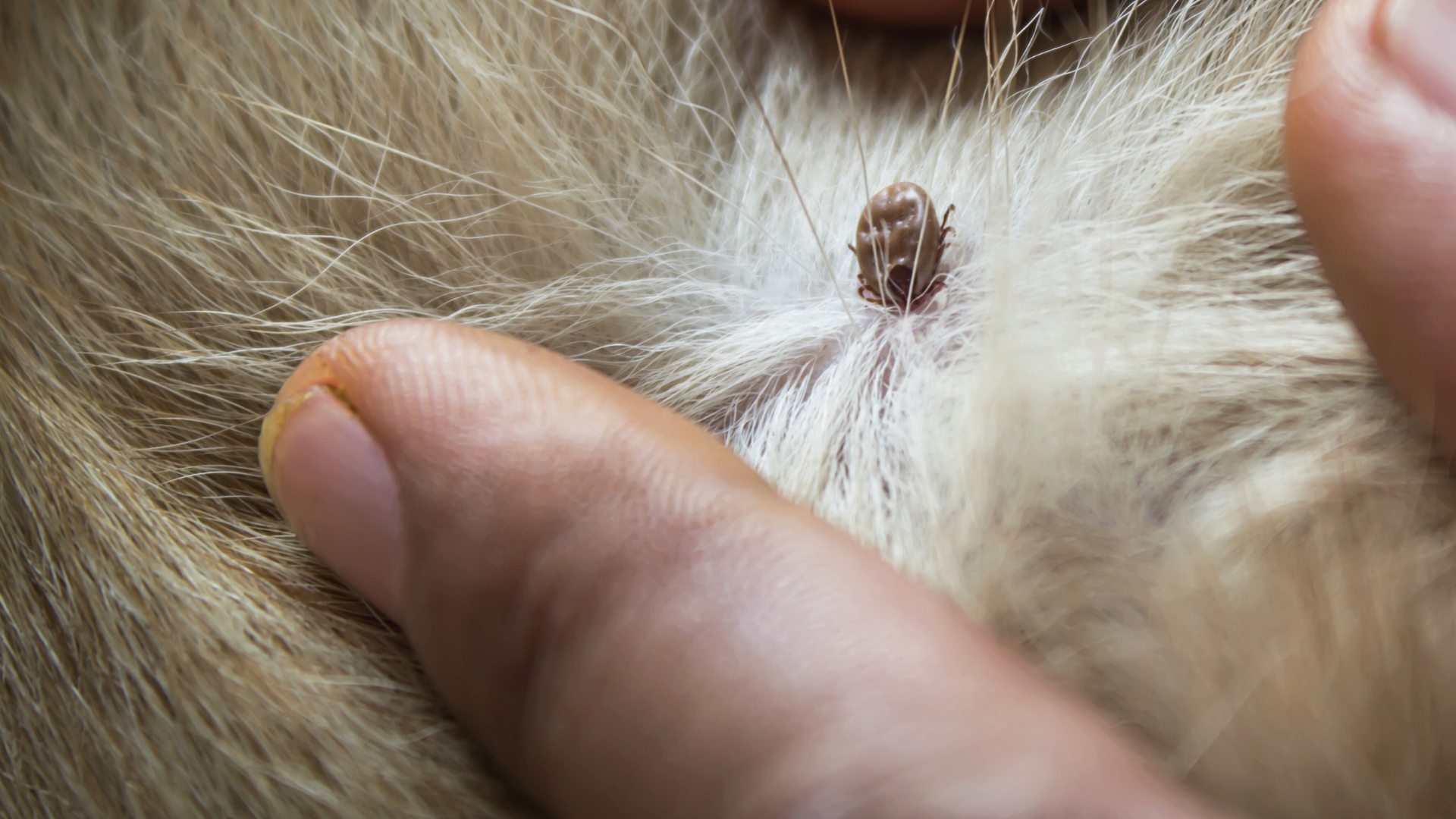
East Dallas’ warm climate, shaded neighborhoods, and proximity to greenbelts and creek systems support several tick species throughout much of the year.