Experience relaxation and peace in your Grand Prairie backyard with our proven mosquito control solution. Trusted by families in Grand Prairie, our innovative approach not only repels mosquitoes but also establishes a durable barrier customized to your outdoor environment. Mosquito Shield of East Dallas is dedicated to creating mosquito-free zones, so you can enjoy your outdoor spaces without interruption.

Effective mosquito control in Grand Prairie, TX, that drives mosquitoes away and keeps them out of your yard.

Enjoy mosquito-free outdoor time in Grand Prairie with treatments designed to provide lasting results.
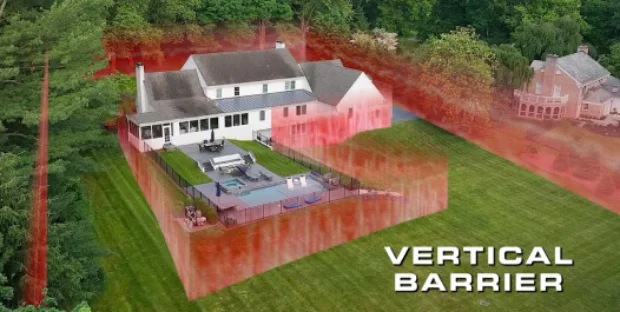
Highly rated mosquito control services in Grand Prairie, trusted by residents to enhance outdoor living.


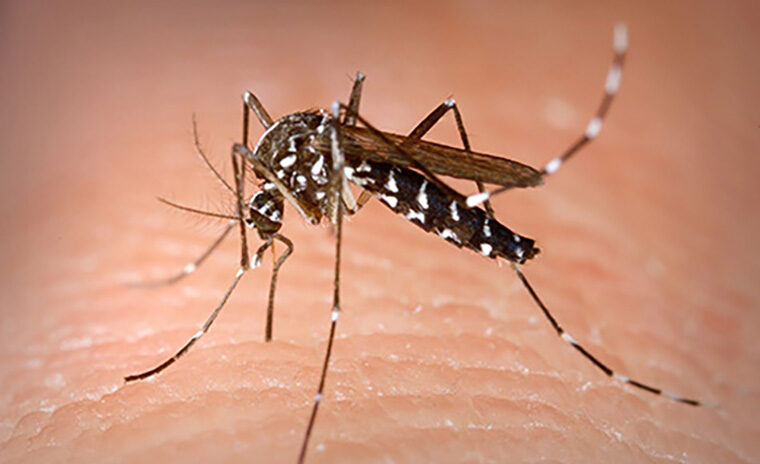
Identification: Small, black mosquito with white leg stripes and a lyre-shaped pattern on its back.
Habitat: Thrives in urban residential areas—especially in flowerpots, gutters, and pet bowls.
Behavior: Aggressive daytime biter; prefers biting people over animals.
Health Risks: Capable of transmitting Zika virus, dengue, and chikungunya.
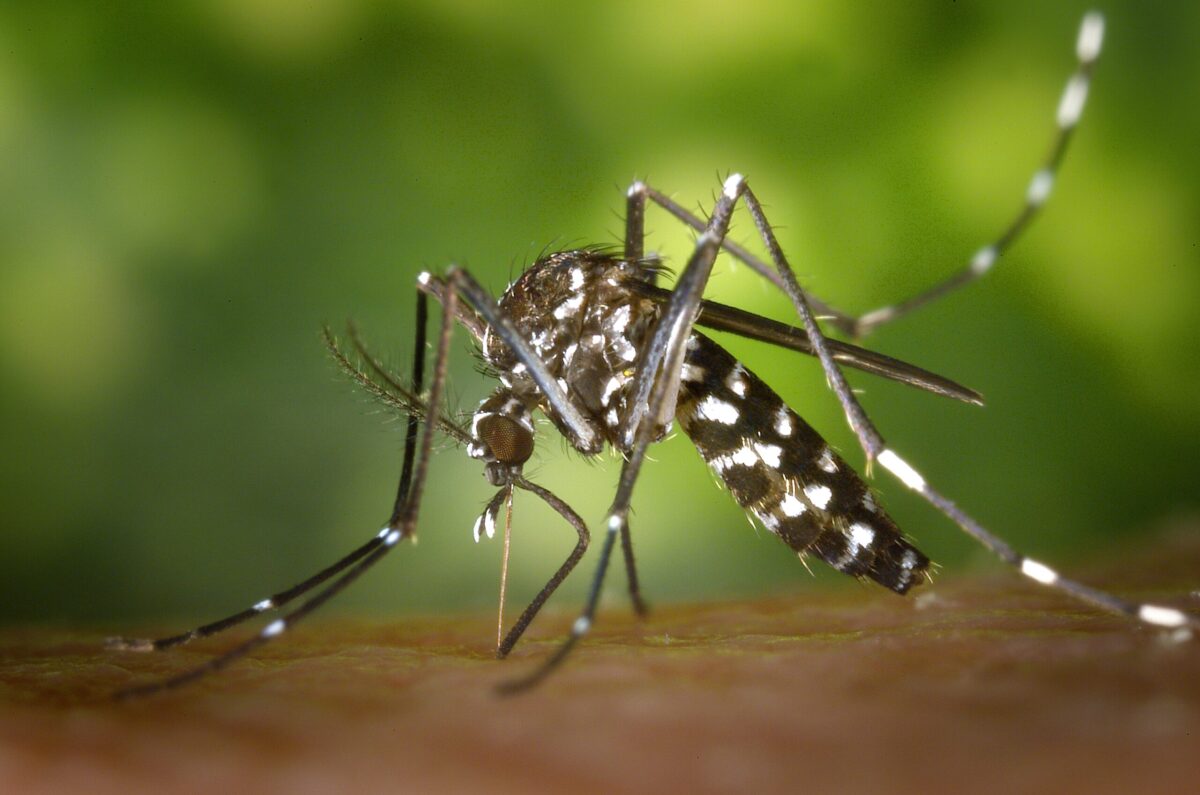
Identification: Striking black-and-white coloration with a single white stripe down its back.
Habitat: Common in East Dallas backyards, parks, and shaded patios; breeds in small containers.
Behavior: Active during the day; often bites around ankles and lower legs.
Health Risks: Can transmit West Nile virus, Zika, and dengue.
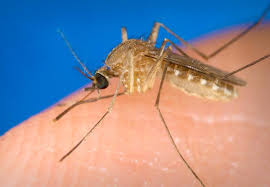
Identification: Light brown mosquito with narrow banding on its abdomen.
Habitat: Found near standing water—storm drains, birdbaths, and neglected swimming pools.
Behavior: Bites mainly after dark and often sneaks indoors.
Health Risks: Primary carrier of West Nile virus in the Dallas area.
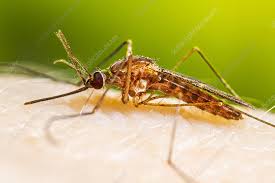
Identification: Medium-sized with four dark spots on each wing; rests angled upward.
Habitat: Prefers clean, slow-moving freshwater such as White Rock Lake tributaries.
Behavior: Most active at dawn and dusk.
Health Risks: Historically linked to malaria; still a source of annoying, itchy bites.
Grand Prairie, Texas, is a dynamic city within the Dallas-Fort Worth Metroplex, celebrated for its blend of suburban comfort, entertainment venues, and access to significant natural spaces like Joe Pool Lake. With community areas, extensive green spaces like Central Park, and neighborhood amenities, residents spend much of the year enjoying patios, outdoor events, and recreation. However, the region’s warm, humid climate, seasonal rainfall, and proximity to major water bodies create favorable conditions for mosquito and tick activity throughout much of the year.
Residents of Grand Prairie face seasonal risks from mosquito-borne illnesses such as West Nile Virus, along with tick-borne diseases including Lyme disease. With backyard gatherings, community events, and an active lifestyle central to the community, proactive mosquito and tick control supports comfortable outdoor environments.
To help reduce unwanted insect activity, residents are encouraged to:

Grand Prairie experiences hot summers and mild winters, which contribute to an extended mosquito and tick season that often begins in early spring and can continue well into the fall. Periodic rainfall, lakeside humidity from Joe Pool Lake, and neighborhood drainage systems create standing water, while shaded greenbelts and mature landscapes provide suitable environments for ticks.
Key Factors Influencing Pest Activity:


Key Activity: Mosquito season ramps up with warming temperatures and spring rainstorms.
Breeding: Rainwater and irrigation runoff collect in East Dallas yards, waking dormant eggs.
Common Species Active: Aedes aegypti and Culex quinquefasciatus start emerging.
Behavior: Biting picks up early, especially around sunrise and sunset.

Key Activity: Peak mosquito season—hot, humid, and rainy conditions fuel explosive breeding.
Breeding: Any stagnant water—planters, puddles, tarps, or clogged gutters—becomes a hot spot.
Common Species Active: Aedes albopictus, Aedes aegypti, and Culex quinquefasciatus thrive.
Behavior: Biting happens all day and into the night; outdoor activities require planning.
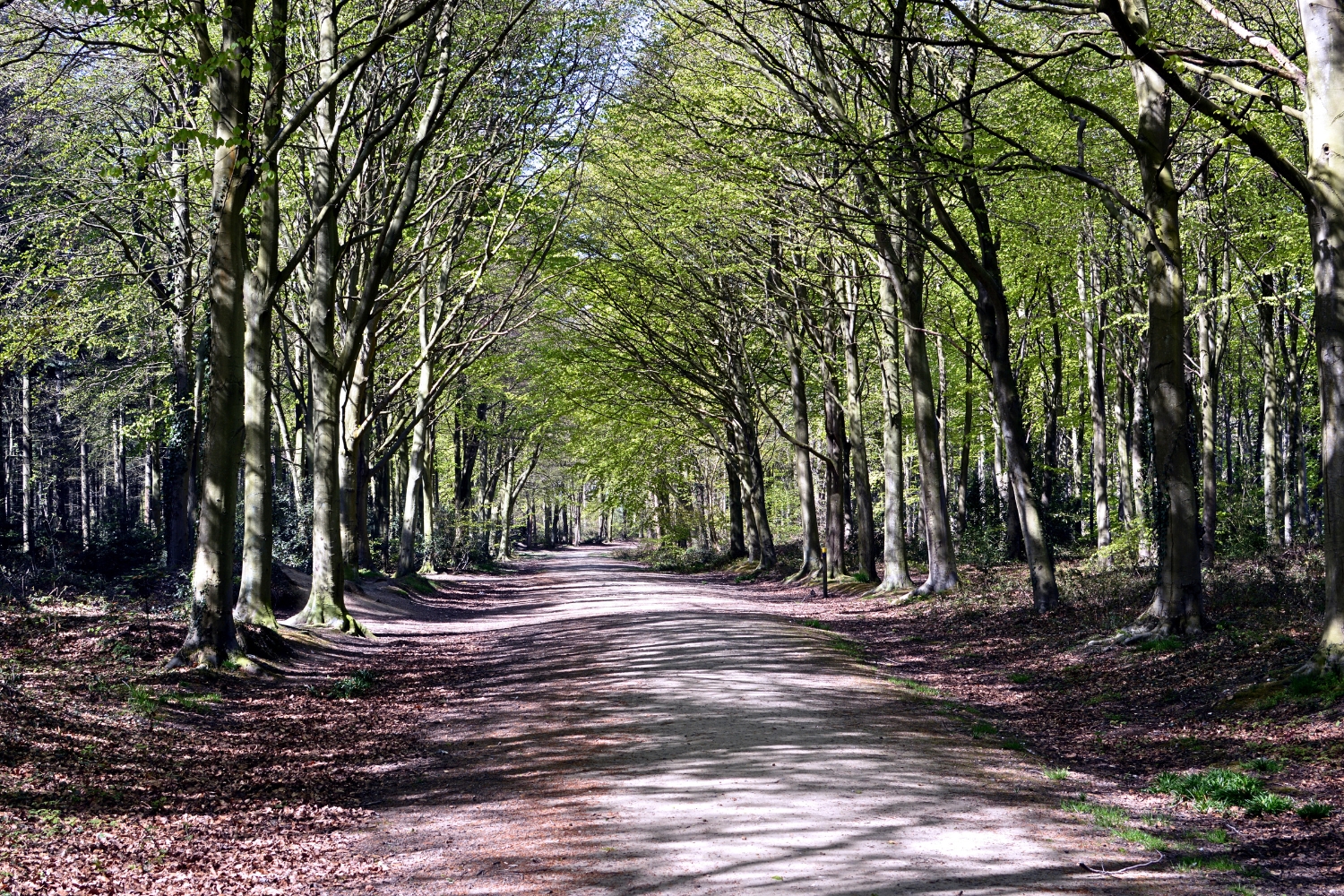
Key Activity: Activity slows down, but mosquitoes persist through warm fall evenings.
Breeding: Storm drains and shaded areas continue hosting larvae.
Common Species Active: Culex and Aedes species linger into mid-November.
Behavior: Mosquitoes remain active in wooded or damp zones like those near White Rock Creek.
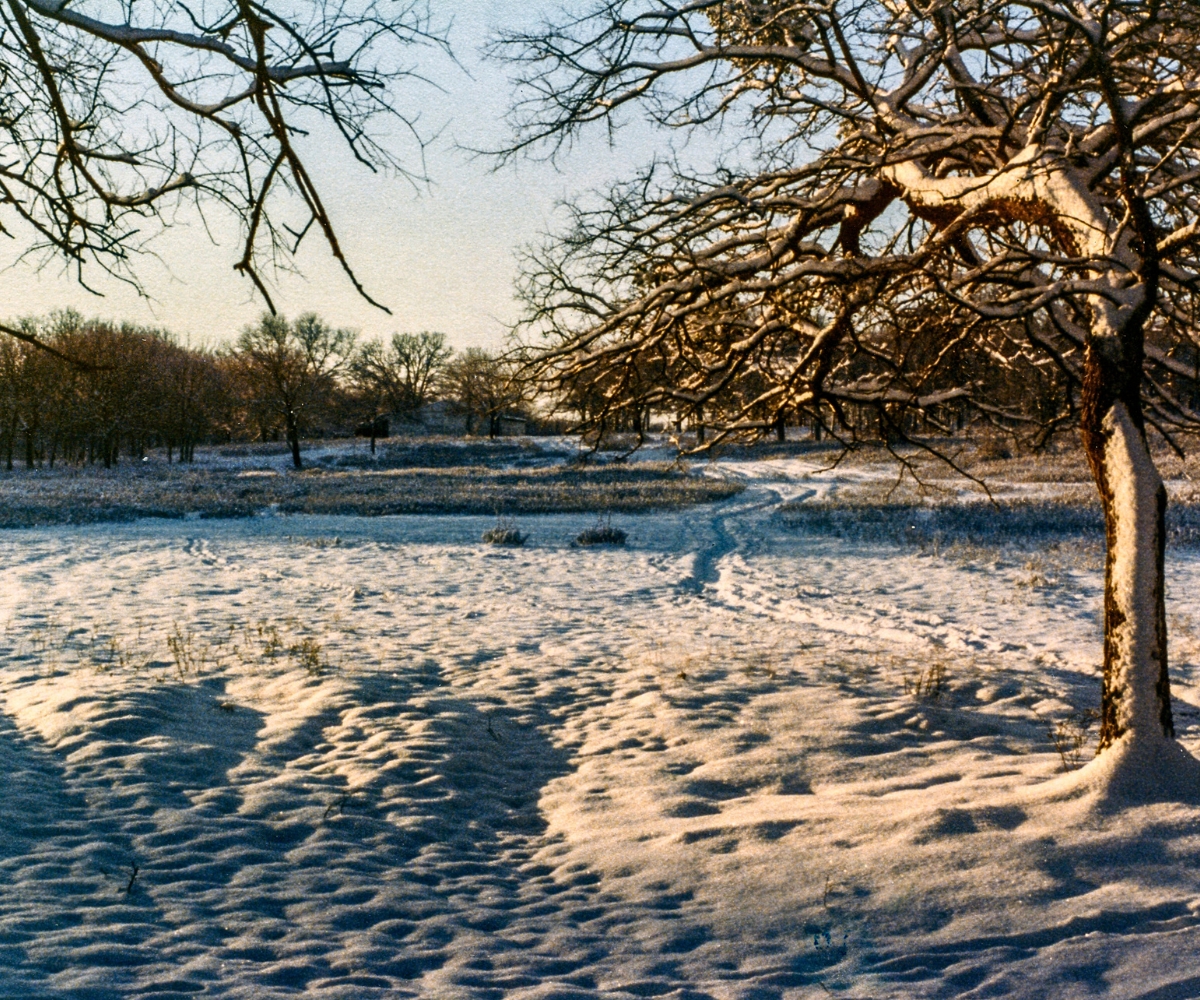
Key Activity: Activity dips but doesn’t vanish—East Dallas winters are mild.
Eggs: Aedes eggs survive in dry locations, waiting for spring rain.
Adults: Some Culex adults overwinter in sheds, garages, and crawlspaces.
Behavior: A warm winter day can bring a surprising bite or two.