
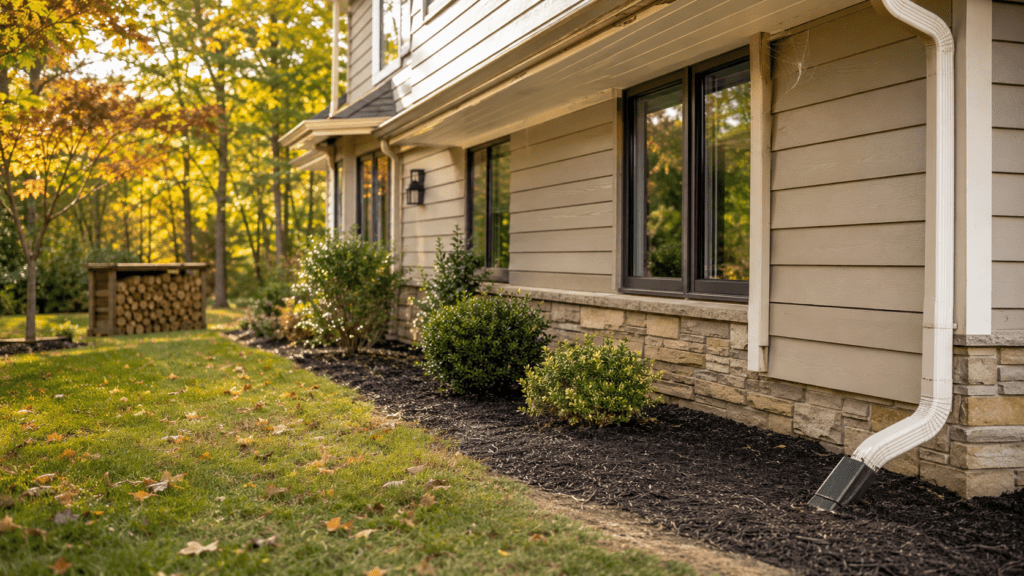
Pest activity does not simply disappear when one season ends. Changes in temperature, rainfall, humidity, and available shelter can push ants, spiders, and other bugs closer to the house—and sometimes inside it.
How Can You Keep Bugs Out During Seasonal Changes?
Focus on the conditions that help pests reach and enter the house. Seal accessible gaps, manage moisture, clean gutters, move firewood and debris away from the foundation, trim vegetation, and watch for recurring activity around doors, windows, utility openings, and the roofline. Exterior prevention is most effective before seasonal pest pressure becomes established indoors.
Why Bugs Move Closer to Homes as Conditions Change
Pests respond to changes in their environment by searching for more dependable food, water, and shelter.
Temperature Changes
Warming weather increases insect movement and reproduction. Falling temperatures can send pests toward wall voids, garages, basements, and other protected spaces.
Rain and Moisture
Heavy rain can flood nests and disturb outdoor hiding places. Persistent dampness can also create favorable conditions around foundations and landscaping.
Dry Conditions
Extended heat or drought can cause insects to search for reliable water around faucets, irrigation systems, condensation lines, kitchens, and bathrooms.
Seasonal movement does not necessarily mean the house is dirty. It often means outdoor conditions have changed and pests have found a usable path toward shelter or resources.
How Pest Pressure Changes Throughout the Year
The exact timing varies by climate, but each seasonal transition can create a different type of pest pressure around the home.
Spring: Activity Returns
Rising temperatures, new vegetation, and spring rain increase insect activity. Ant trails may form near foundations, while other pests emerge from sheltered overwintering areas.
Summer: Food and Water Searches Expand
Heat, humidity, storms, and dry periods can all change where pests gather. Dense plants, mulch, shaded siding, outdoor kitchens, pet areas, and irrigation systems may become active zones.
Fall: Pests Look for Shelter
As temperatures fall, insects and spiders may move toward garages, basements, attics, wall voids, windows, and doors that offer protection from outdoor conditions.
Winter: Hidden Activity Can Continue
Outdoor activity may slow in colder regions, but pests already inside protected areas can remain active. Warm spells may also produce temporary movement around the structure.
Seven Ways to Help Keep Bugs Outside
These steps reduce the access, moisture, and shelter conditions that allow exterior pest pressure to become an indoor problem.
Seal Accessible Gaps
Inspect weatherstripping, door sweeps, screens, window frames, siding transitions, foundation cracks, and openings around pipes, cables, vents, and HVAC lines. Use materials appropriate for each opening, and avoid blocking required ventilation or drainage.
Manage Moisture
Repair leaking faucets and hoses, redirect drainage away from the foundation, address condensation, and avoid overwatering landscaping beside the house. Damp wood, soil, and mulch can support recurring pest activity.
Clean Gutters and Downspouts
Remove leaves and organic buildup that can retain moisture and support insects. Confirm that downspouts discharge properly and do not create persistent dampness beside the structure.
Move Firewood and Debris
Store firewood off the ground and away from the house when practical. Remove leaf piles, boards, cardboard, unused containers, and other materials that create concealed shelter near the foundation.
Trim Vegetation
Cut back branches, vines, shrubs, and dense ground cover touching the house. Vegetation can hide activity, hold moisture, attract insect prey, and form bridges toward siding, windows, and the roofline.
Reduce Food Sources
Secure trash, clean grills and outdoor dining areas, bring pet food inside, and remove food residue near doors and patios. Indoors, store pantry goods securely and clean spills that could sustain a trail.
Inspect Recurring Pressure Areas
Recheck locations where trails, webs, or pest sightings return. Repeated activity in the same area can reveal an entry point, moisture source, nesting area, or protected travel route.
Why Ants and Spiders Often Appear During Seasonal Transitions
Ant activity can increase after heavy rain disrupts outdoor colonies or during dry periods when workers search for water. Once an ant finds a useful resource, a trail may guide other workers into the house. Learn more about why ants come inside and the entry points they commonly use.
Spider sightings can also rise when changing weather or greater insect activity brings them closer to windows, doors, eaves, basements, and garages. Because spiders follow available prey, frequent webs may indicate that other insects are active nearby. MoShield’s guide explains why spiders enter homes and what their location may reveal.
Treat the Pattern, Not Just the Sighting
Removing one trail or web may address what is visible today. Finding the moisture, prey, shelter, or access point supporting repeated activity is more important for long-term prevention.
Where Perimeter Pest Control Fits
Seasonal maintenance removes conditions pests use. Exterior treatment addresses the activity developing around the house.
Indoor pest control responds after bugs have entered the living space. Perimeter pest control takes a preventive approach by focusing on the foundation, exterior access points, and areas where crawling pests gather or travel.
This can be especially useful as changing weather alters pest movement. Recurring exterior visits also provide opportunities to identify new pressure areas as rainfall, vegetation, moisture, and insect populations change.
Read how perimeter pest control works or explore MoShield’s
Perimeter Pest Control service for more information about its exterior-first approach.
Signs Seasonal Pest Pressure May Need Professional Attention
✓ Trails, webs, or sightings return after repeated cleaning and removal.
✓ Activity appears in several rooms, levels, or exterior areas.
✓ Pests repeatedly emerge from walls, outlets, trim, or structural gaps.
✓ Exterior colonies, trails, webs, or hiding areas remain active near the foundation.
✓ Activity continues after accessible gaps, moisture, vegetation, and debris have been addressed.
Questions About Seasonal Pest Prevention
Why Do Bugs Come Inside When the Weather Changes?
Temperature and moisture changes can reduce available shelter, flood nesting areas, increase insect movement, or create a need for more dependable food and water. Gaps in the structure may then provide access to protected indoor spaces.
When Should I Prepare My Home for Seasonal Pests?
Inspecting the exterior before major spring and fall temperature changes provides time to repair gaps, remove shelter, correct moisture problems, and respond to early activity before pests become established indoors.
Does Cleaning the House Keep All Bugs Away?
Cleaning removes food residue and other attractants, but pests may also enter for water or shelter. Exclusion, moisture management, exterior maintenance, and reducing pest pressure around the structure also matter.
Why Should Firewood Be Stored Away From the House?
Firewood can provide dark, protected shelter for insects and spiders. Moving it away from the foundation reduces the likelihood that pests using the pile will have immediate access to the structure.
Can Perimeter Pest Control Keep Every Bug Out?
No service can make an outdoor property completely insect-free. The realistic objective is to reduce pest pressure near the house and decrease the likelihood of recurring indoor encounters.
Is Perimeter Pest Control Available Everywhere?
Service availability and target pests vary by area. Use MoShield’s location finder to contact a local provider and confirm available services.
Strengthen the Barrier Around Your Home
MoShield can help identify exterior pest pressure and target the areas where crawling bugs approach the house.
Target pests and service availability may vary by location. Perimeter Pest Control is not currently available in North Carolina.


