
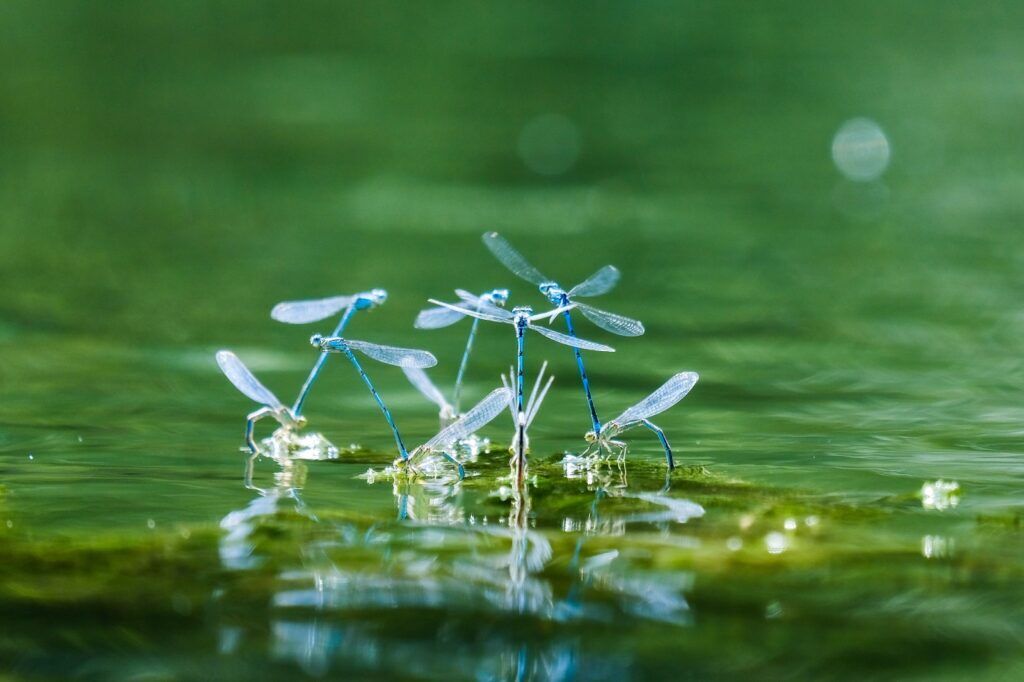
A yard does not need a pond or swamp to support mosquito breeding. Rain trapped in a toy, planter saucer, clogged gutter, or folded tarp can become a small nursery. A short weekly walkthrough can remove many of those opportunities before adult mosquitoes emerge.
How Do You Stop Mosquitoes Breeding in Standing Water?
Start with five actions: dump water that is not needed, drain areas that stay wet, cover stored water, circulate maintained water, and clean containers that refill. Repeat the walkthrough at least weekly and after heavy rain.
Dump, Drain, Cover, Circulate, and Clean
Use the same sequence each time you check the property. It turns a broad mosquito problem into a manageable list of places to inspect.
Dump
Empty buckets, toys, wheelbarrows, plant saucers, tarps, pet bowls, and other containers that collected rain. Store movable items upside down or under cover.
Drain
Clear roof gutters, downspouts, corrugated extensions, low spots, and clogged landscape drains so water can move away instead of pooling.
Cover
Use tight-fitting lids or screens on rain barrels, cisterns, trash cans, and other containers that must hold water. Repair gaps that let mosquitoes enter.
Circulate
Keep pools properly maintained and pumps running. A fountain or aerator may help move water in ornamental features, but circulation does not replace cleaning.
Clean
Scrub birdbaths, pet dishes, and container walls when changing the water. Some mosquito eggs can remain attached above the waterline and hatch later.
The Most Common Backyard Breeding Sites
Begin near the house and work outward. Check places that are shaded, rarely moved, or easy to overlook. The EPA recommends removing standing water from containers and changing water in birdbaths, fountains, wading pools, rain barrels, and plant trays at least weekly.
- Clogged gutters and downspout extensions
- Buckets, watering cans, and wheelbarrows
- Tarps, grill covers, and patio furniture
- Kids’ toys and small wading pools
- Birdbaths and pet water bowls
- Plant saucers and hollow planters
- Trash and recycling containers
- Pool covers and poorly maintained pools
- Tree holes, stumps, and dense leaf litter
- Drainage dips, ruts, and low lawn areas
Small Amounts Still Matter
The first three stages of the mosquito life cycle occur in water. A container does not need to be large or dirty to become useful habitat, so include shallow and temporary water in every inspection.
What If the Water Cannot Be Dumped?
Some water features are intentional or cannot be emptied safely. Keep pools treated and circulating, maintain ornamental ponds, screen rain barrels, and correct drainage problems where practical. For water that must remain, choose only products labeled for that exact use and follow every direction.
Do not add household chemicals, bleach, oils, or an unlabeled pesticide to standing water. Do not treat storm drains, wetlands, neighboring property, or public drainage structures on your own. Local rules and environmental conditions may require a licensed professional or public agency.
The EPA explains that larval control can be part of an integrated mosquito-control approach, but removing accessible water remains the first homeowner step.
A Weekly Mosquito-Breeding Checklist
A five-minute check after rain can catch the containers that were dry the last time you looked.
Walk the Foundation
Look beneath hose reels, outdoor faucets, window wells, and stored items next to the house.
Check the Patio and Play Areas
Empty toys, furniture, umbrellas, coolers, and containers used during the week.
Inspect Landscaping
Look under dense plants, inside decorative pots, and around drainage areas or irrigation leaks.
Look Up
Check gutters, awnings, roof drains, and covers that can sag and hold water above eye level.
Review Permanent Water
Confirm that pools, fountains, rain barrels, and pet water stations are clean, covered, or circulating as intended.
Repeat After Rain
Storms can create new pockets of water even when the yard was clear a few days earlier.
What Professional Mosquito Control Can—and Cannot—Do
Professional service can target shaded vegetation, perimeter areas, and other places where adult mosquitoes rest. A trained technician may also point out conditions that are contributing to mosquito pressure.
Treatment does not replace property maintenance. Containers can refill, gutters can clog, and mosquitoes can fly in from nearby areas. The best approach pairs consistent water management with a service plan that responds to weather and local mosquito activity.
Learn more about professional mosquito control and what to expect from recurring yard service.
Questions About Mosquitoes and Standing Water
How quickly can mosquitoes breed in standing water?
Development time varies by species and weather, but warm conditions can move the life cycle along quickly. Weekly checks help interrupt breeding before new adults emerge.
Can mosquitoes breed in clean water?
Yes. Some species use relatively clean container water, while others prefer water with more organic material. Do not use water clarity as the deciding factor.
Does moving water stop all mosquitoes?
Consistent movement can make some water less suitable, but edges, debris, clogged sections, and intermittent pumps can still create calm pockets. Maintenance still matters.
Are birdbaths a mosquito problem?
They can be if the water sits. Empty, scrub, and refill them at least weekly, or more often in hot weather.
Should I pour bleach into standing water?
No. Use only products labeled for the specific site and follow the directions. When water can be removed, dumping and cleaning are the preferred first steps.
Will yard treatment eliminate the need to remove water?
No. Water removal and professional control address different parts of the problem. Combining them provides a stronger prevention routine.
Get a Local Mosquito-Pressure Assessment
If you keep finding mosquitoes after removing water sources, a local MoShield team can review the property and discuss service options for the areas where adults rest.
Service availability varies by location.


