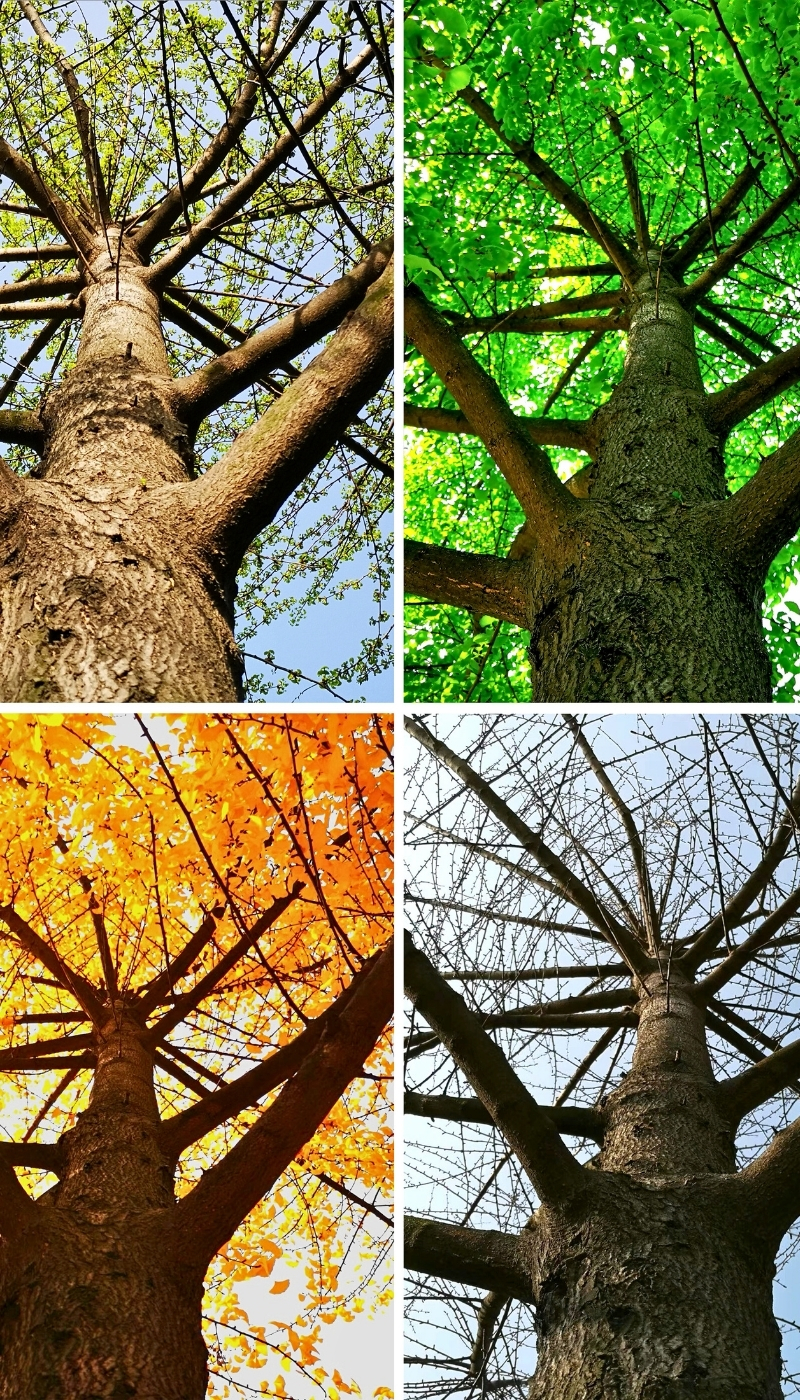
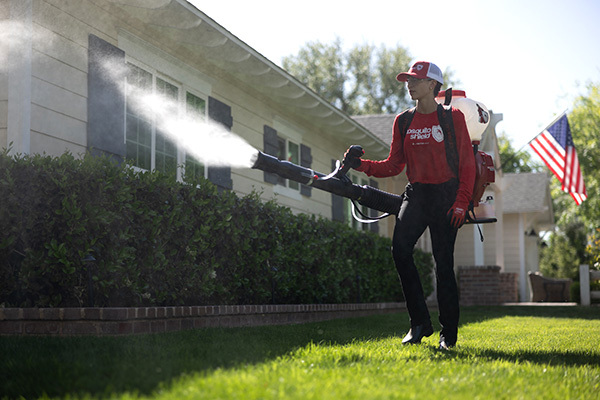
In Western Massachusetts, ticks are more than just a nuisance they’re an active, year-round health concern for people and pets alike. The region’s wooded landscapes, humid summers, and long stretches of mild weather create a perfect environment for ticks to thrive. From early spring through late fall, their populations surge across forests, fields, and even backyard gardens.
The combination of dense vegetation and abundant wildlife makes much of Western Massachusetts an ideal tick habitat. Species such as the blacklegged tick (Ixodes scapularis), responsible for spreading Lyme disease, are particularly common in Berkshire, Hampshire, and Hampden counties.
For local pet owners, understanding when ticks are most active and how to minimize exposure is key to keeping both animals and families safe.
Spring (April–June)
Ticks emerge from dormancy as temperatures consistently rise above 40°F. This is the most active period for nymphs—the smallest and most difficult-to-detect tick stage. These nymphs are responsible for the majority of Lyme disease cases in both humans and pets.
Summer (July–August)
Warm, humid weather keeps ticks active throughout the season. Pets that spend time outdoors in tall grass or wooded areas are at high risk of picking up ticks, which can attach and feed for several days before detection.
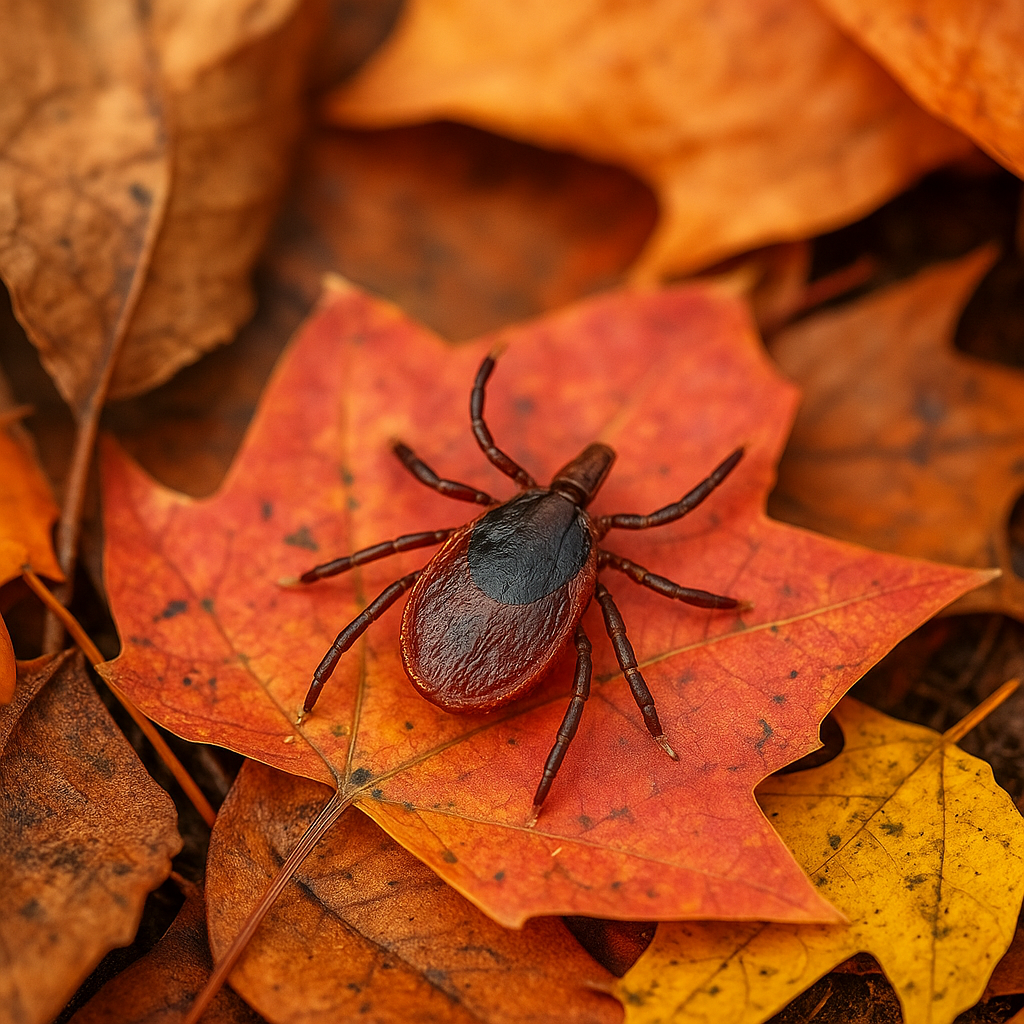
Autumn (September–November)
Adult ticks are highly active during the fall months, seeking hosts before winter sets in. This second activity peak often catches pet owners off guard after summer tick prevention routines have lapsed.
Winter (December–March)
Although cold weather reduces tick activity, adults can still become active during mild spells or in leaf litter where temperatures stay above freezing.