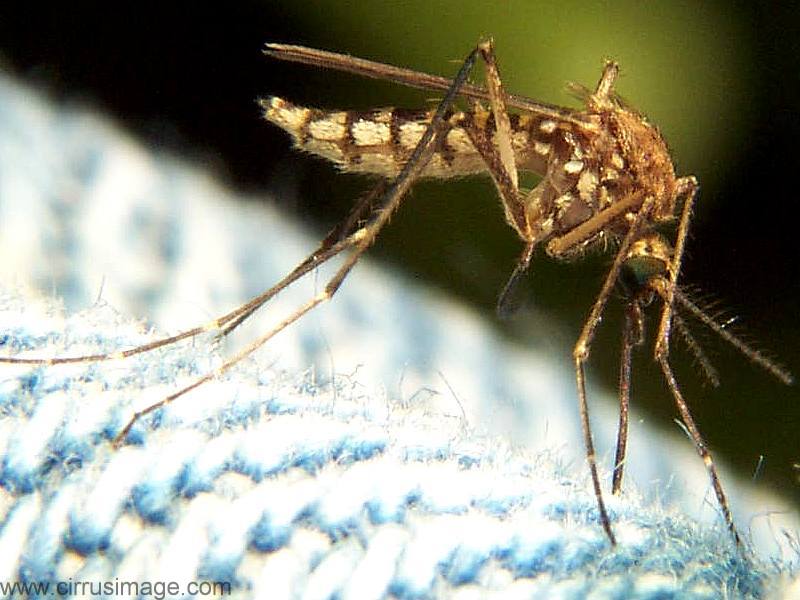
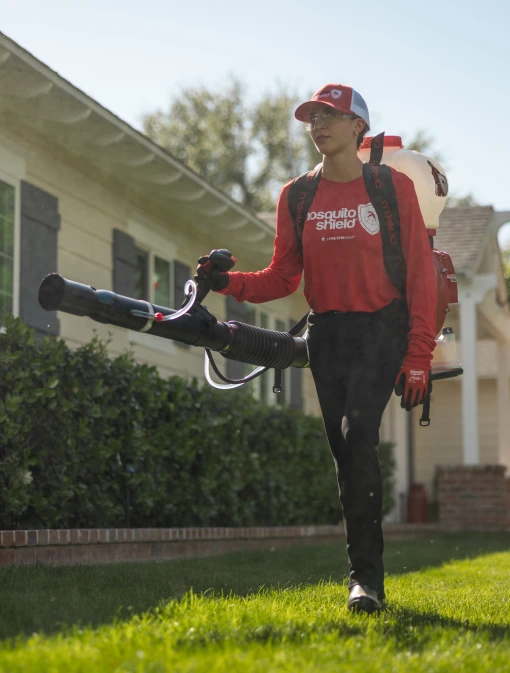
Westchester County experiences one of the most diverse mosquito environments in the Northeast. With its coastal marshes, saltwater wetlands, freshwater ponds, pine barrens, wooded suburbs, and dense residential areas, Westchester County supports a wide range of mosquito species from late spring through fall.
While many local species are primarily nuisance biters, several are monitored closely for their connection to regional disease activity, especially in warm, humid months.
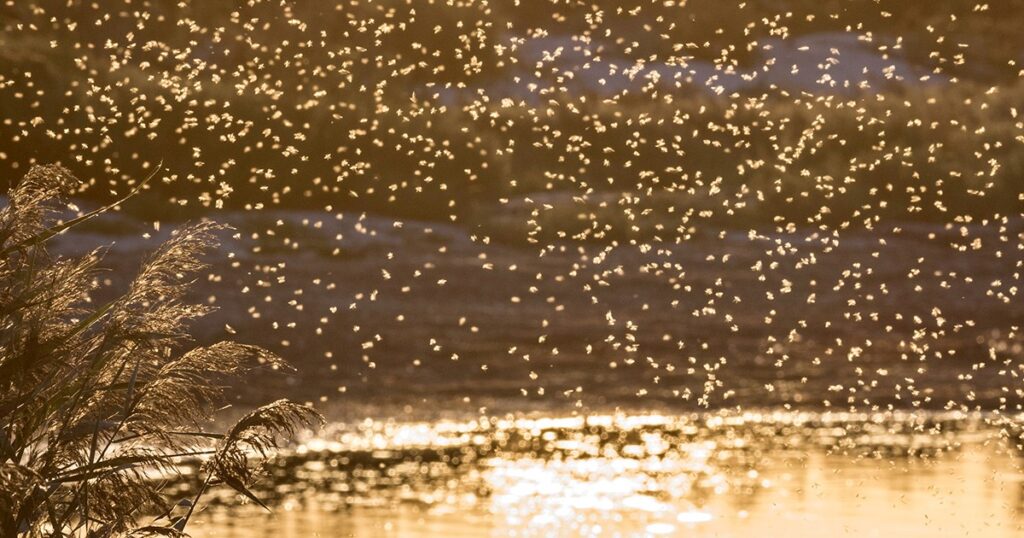
One of the primary mosquito species associated with West Nile virus in Westchester County.
Key traits:
Breeds in stagnant water with organic matter — gutters, storm drains, birdbaths, and containers.
Most active at night and during warm, humid evenings.
Populations peak in late summer, particularly in suburban and urban neighborhoods.
A key focus for county surveillance programs.
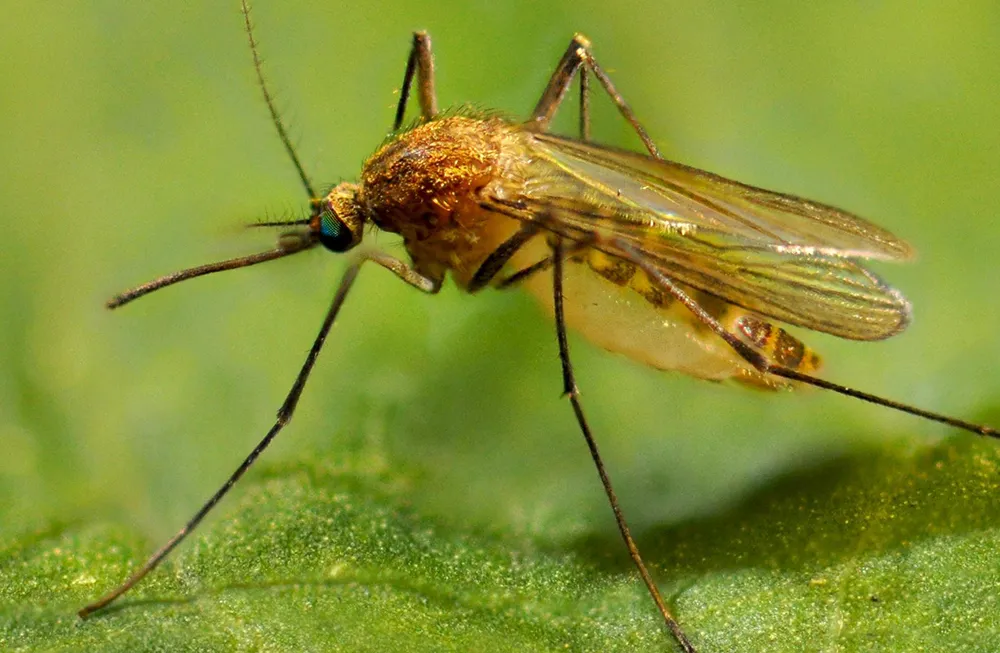
Extremely common along Westchester Counties coastlines and salt marsh ecosystems.
Key traits:
Aggressive biter capable of traveling miles from coastal breeding sites.
Populations surge after high tides, moon tides, or coastal flooding.
Common in South Shore communities, including Massapequa, Babylon, Islip, and the Hamptons.
Active at dusk, dawn, and on cloudy days.
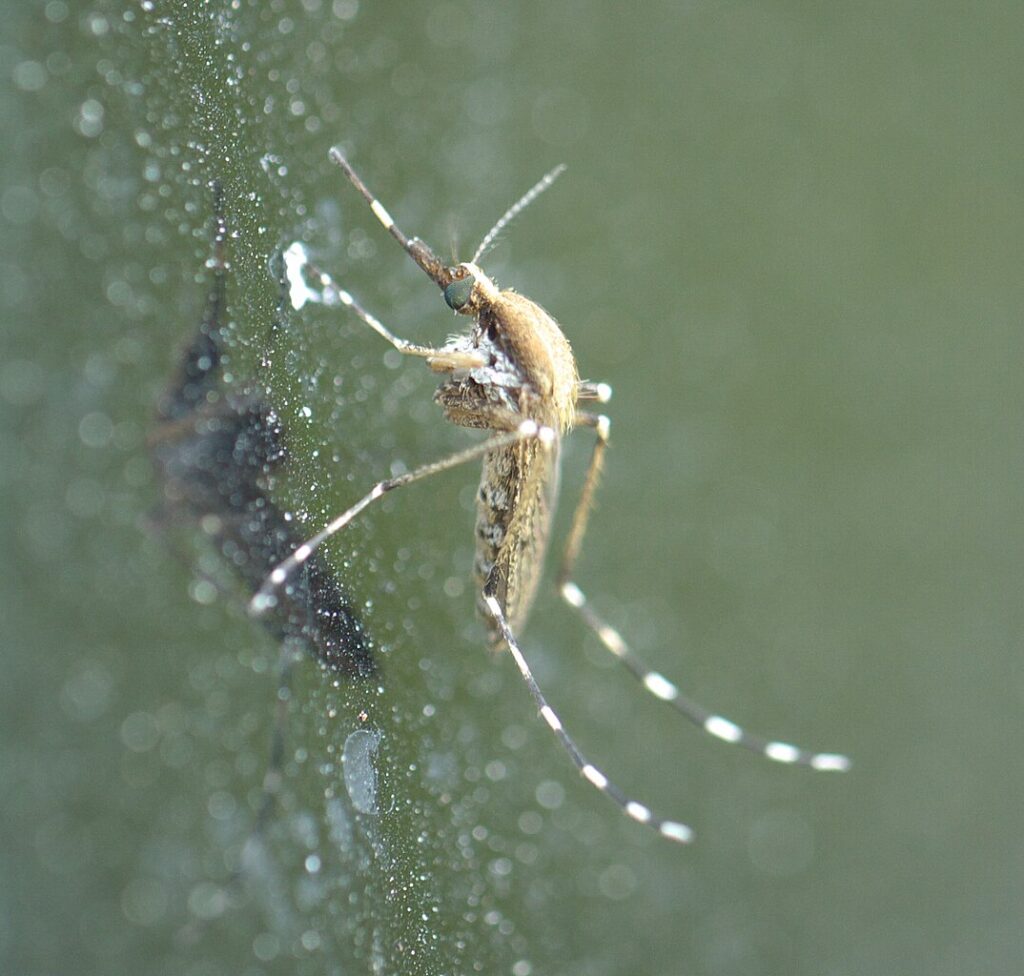
Widespread in Westchester Counties wooded and shaded inland areas.
Key traits:
Active primarily in spring and early summer.
Found near forest edges, parks, and moist leaf-litter environments.
Consistent nuisance species for hikers and outdoor recreation areas.
Daytime biter in shaded habitats.
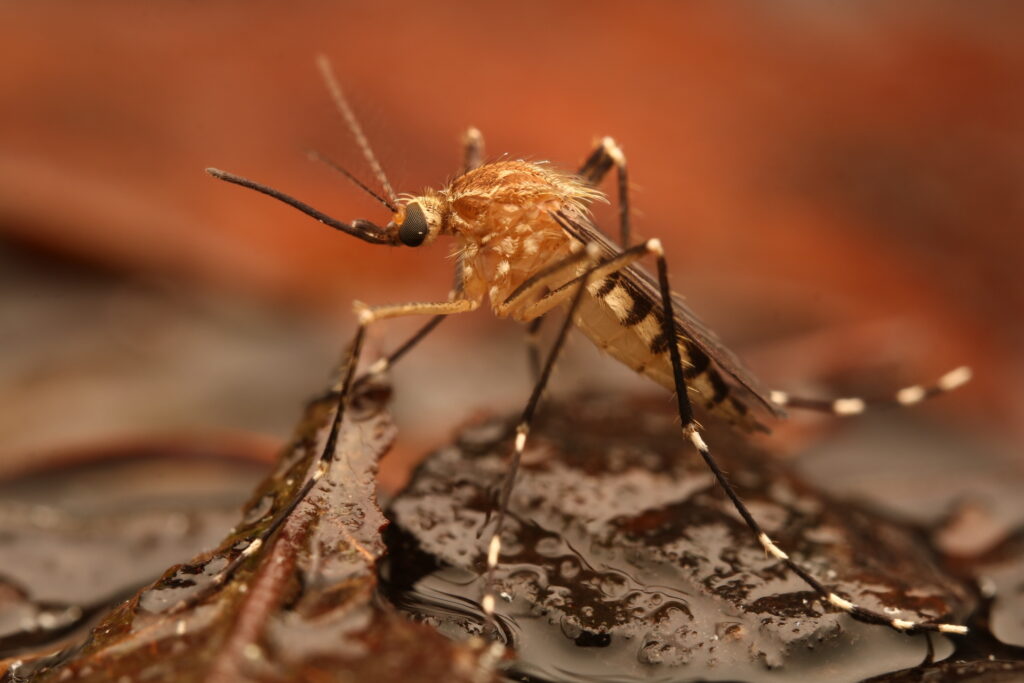
Very common after heavy rainfall or inland flooding.
Key traits:
Emerges rapidly from temporary pools created by storms.
Aggressive biter at dusk and dawn.
Frequently encountered near fields, wetlands, and poorly drained areas.
Not typically associated with disease transmission, but extremely abundant in wet summers.