In Westchester County, ants play a dual role. Ecologically, they are vital for soil aeration and the decomposition of organic matter in areas like the Pine Barrens or the North Shore’s deciduous woods. However, when these populations intersect with the high-density human population, several issues arise:
Structural Integrity: The prevalence of Carpenter Ants can lead to long-term structural weakening of homes, especially those near moisture-prone coastal areas or heavily wooded lots.
Food Contamination: Species like the Odorous House Ant and Pharaoh Ant are “opportunistic foragers.” Their presence in local pantries and commercial food spaces in Westchester County poses a constant challenge for food safety.
Landscape Disruption: Pavement ants can undermine the stability of brick pavers and stone walkways, a common feature of Westchester County landscaping, by displacing the underlying sand and soil.
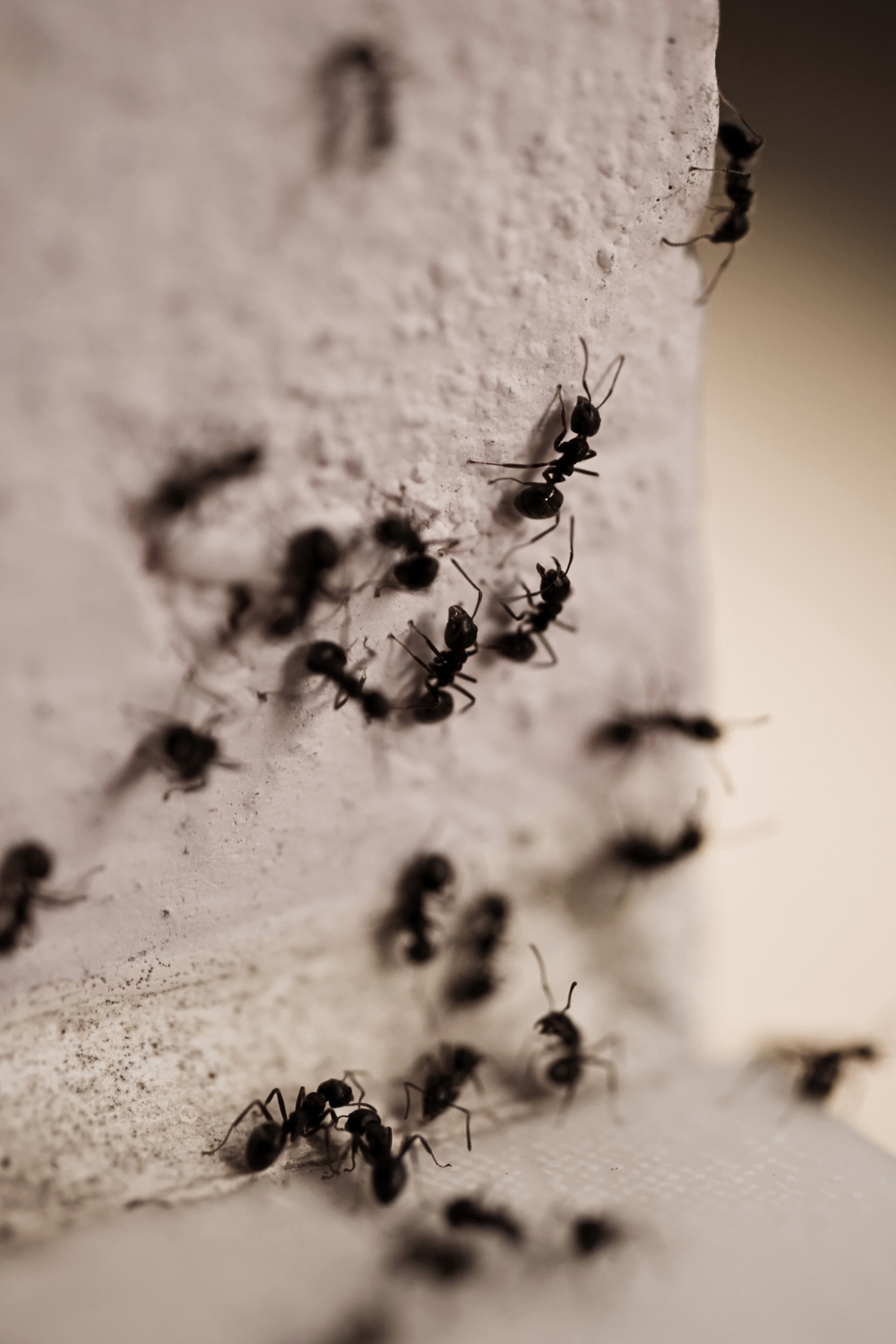


As one of the largest ant species in the Northeast, Carpenter Ants are significant due to their wood-excavating habits. Unlike termites, they do not eat wood; instead, they carve out smooth galleries to house their colonies.
Regional Impact: Given the abundance of older wooden structures and mature oak and pine forests across Long Island, these ants frequently move from decaying tree stumps into residential wall voids.
Identification: Large, typically black, and most active between sunset and midnight.
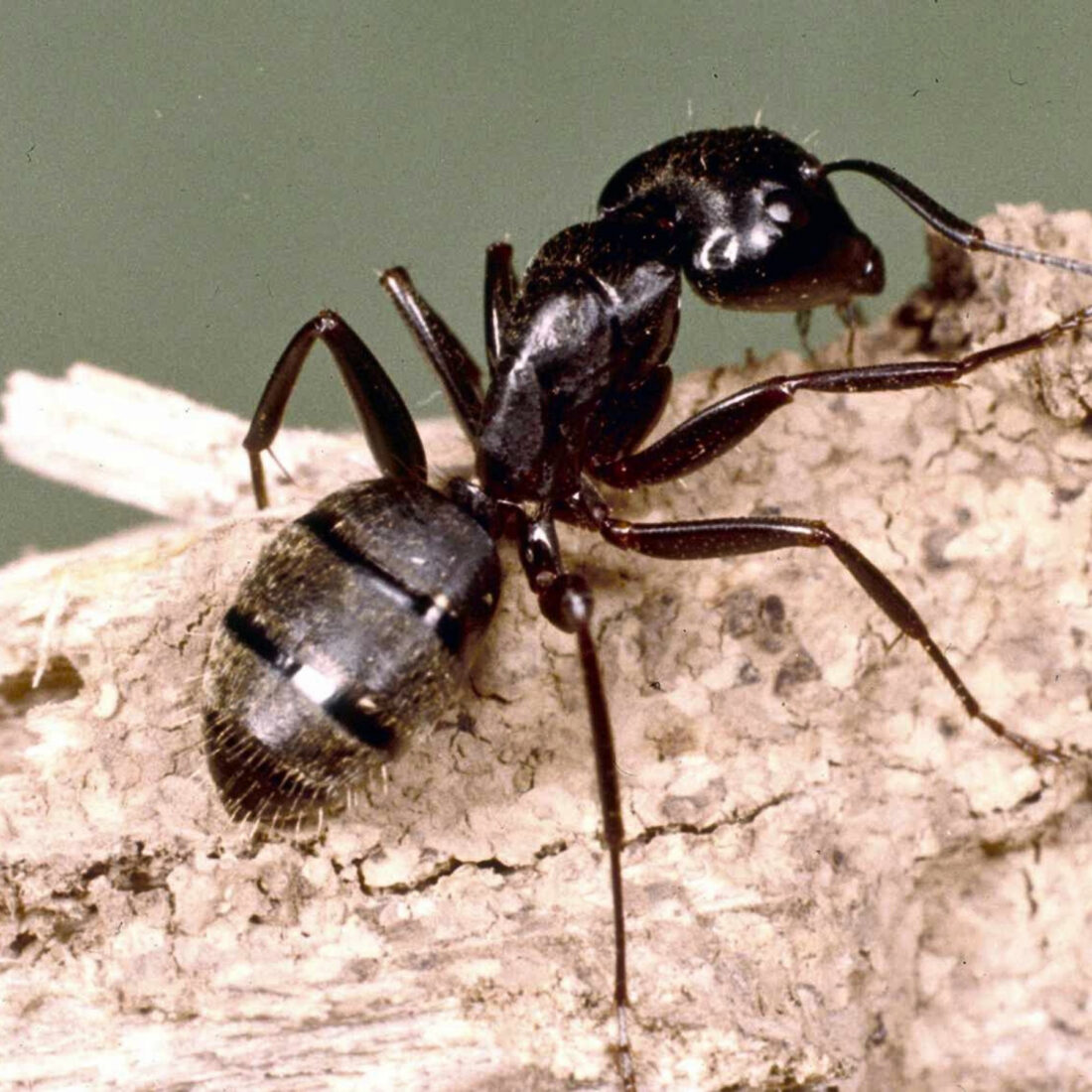
Commonly referred to as “sugar ants,” these are known for the pungent, rotten-coconut odor they emit when crushed.
Regional Impact: They are highly nomadic and often move indoors in massive numbers during the heavy rain cycles typical of Westchester County springs. They are particularly drawn to kitchens and bathrooms in search of moisture and sweets.
Behavior: They form multi-queen colonies, making them highly resilient to environmental changes.
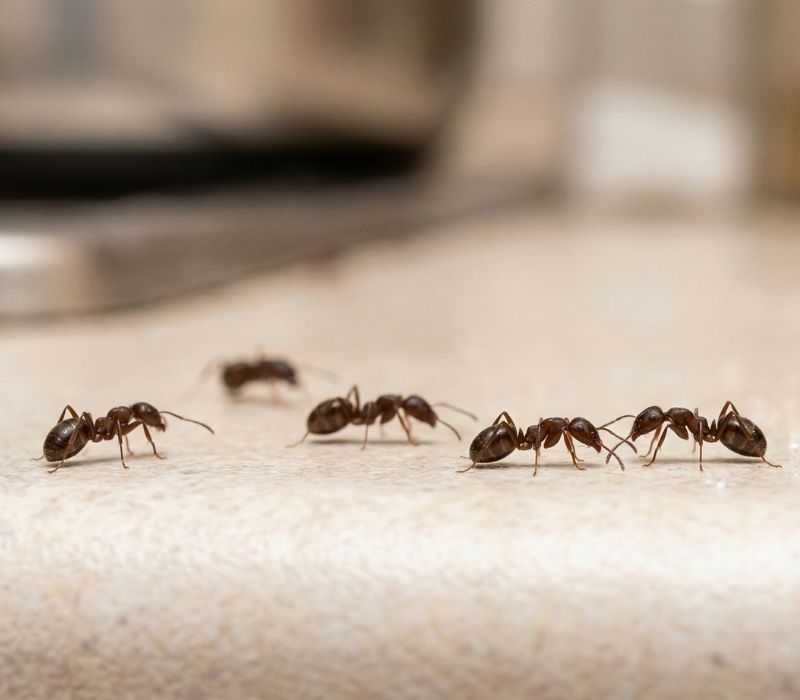
These ants are the architects of the small sand mounds found in the cracks of Westchester Counties driveways, sidewalks, and patios.
Regional Impact: Because Westchester County has a high density of paved surfaces and sandy soil, Pavement Ants are ubiquitous. In winter, they often seek the warmth of sub-slab heating systems, leading to indoor activity even during the colder months.
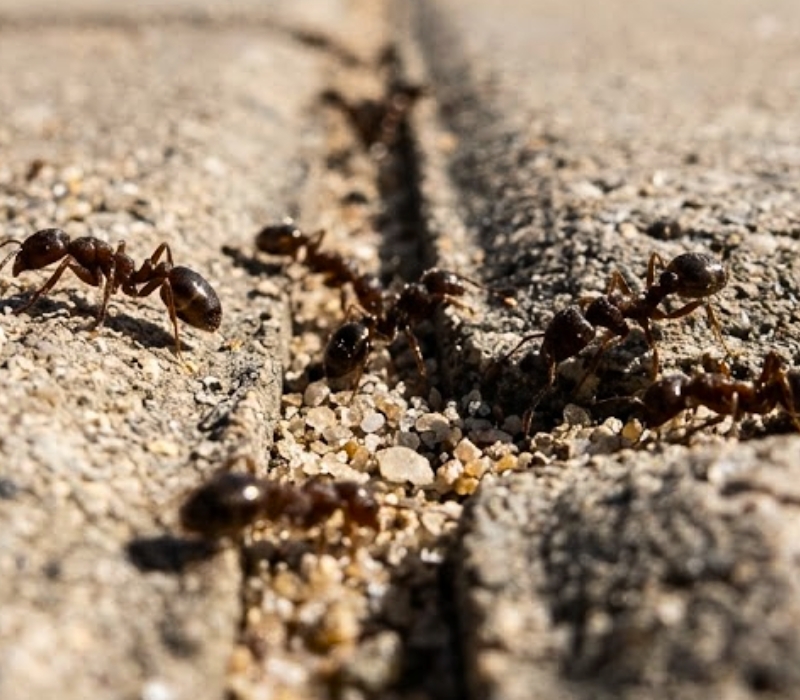
An invasive species often found in more urbanized or multi-family housing units on the Island.
Threat: They are a major concern in healthcare facilities and high-density housing because they can transmit pathogens like Salmonella and Streptococcus. They are notorious for “budding,” where a colony splits into several new ones if they perceive a threat.