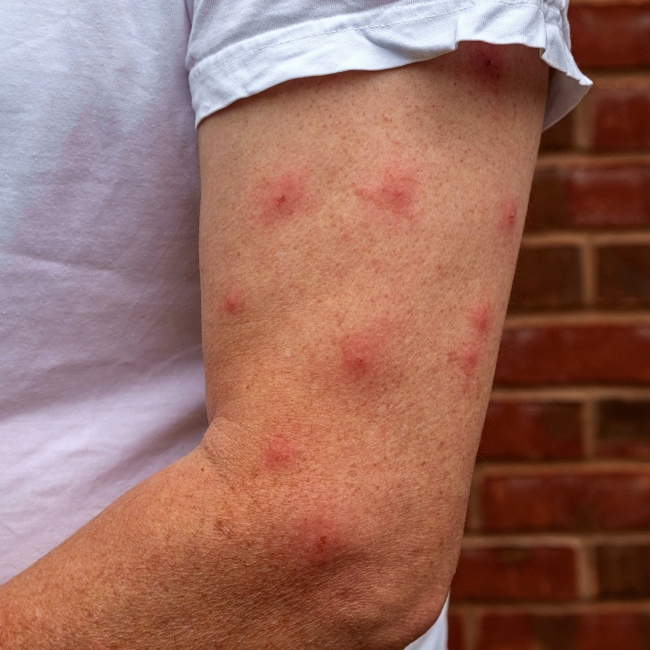
Mosquito season in Virginia generally extends from early May through early November, giving mosquitoes a long window to reproduce and remain active. In the Richmond area, temperatures climb quickly during late spring before transitioning into the hot, humid conditions that characterize Central Virginia summers.
Rainfall and summer thunderstorms can also leave behind small pockets of standing water throughout residential properties. Birdbaths, clogged gutters, children’s toys, plant saucers, buckets, tarps, drainage areas, and low spots in the lawn can all hold enough water to become potential mosquito breeding sites.
Richmond’s abundant vegetation creates another advantage for mosquitoes. Mature trees, dense shrubs, ivy, shaded gardens, and wooded property lines provide cool, protected areas where adult mosquitoes can rest during the hottest parts of the day. Together, warmth, moisture, standing water, and vegetation can allow a relatively small mosquito problem to grow quickly.
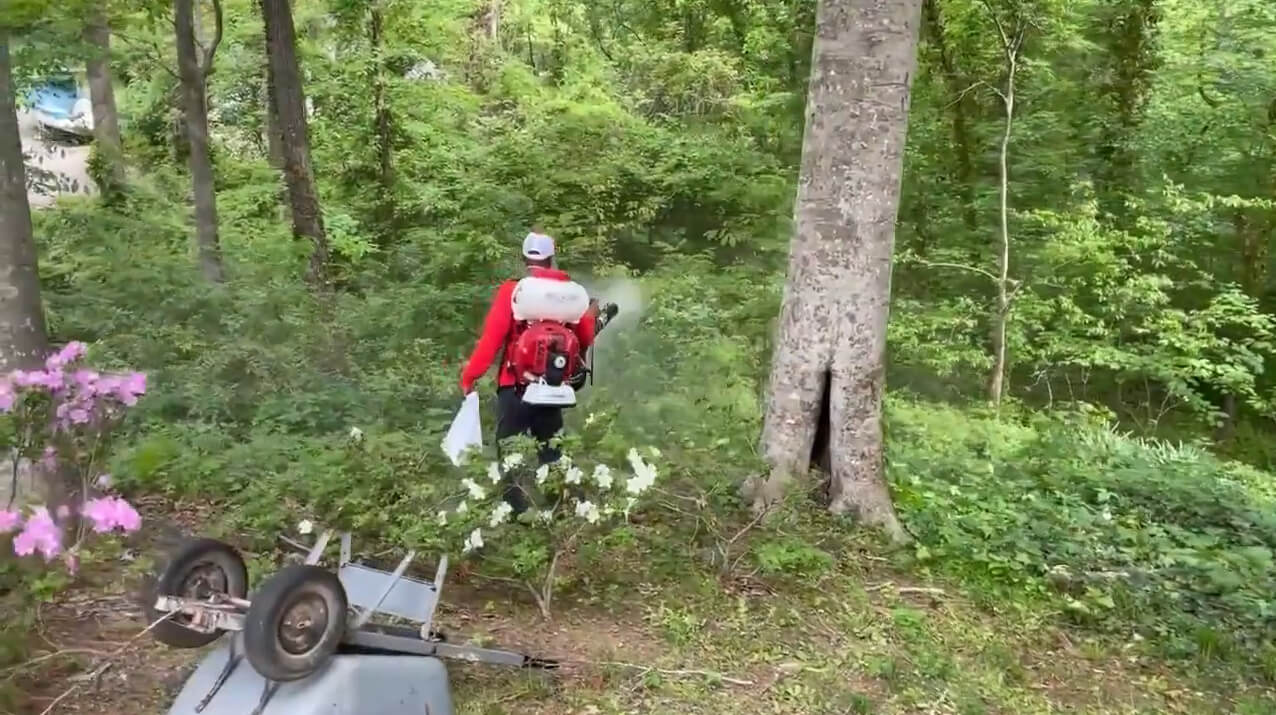
Spotting an infestation early requires paying attention to subtle environmental cues in your yard or neighborhood.
One of the clearest signs that mosquitoes are actively breeding on or near your property is finding larvae in stagnant water.
Take a close look at water that has collected in birdbaths, flowerpot saucers, buckets, toys, clogged gutters, wheelbarrows, outdoor containers, drainage areas, or other places around the yard. Mosquito larvae, sometimes called “wrigglers,” can often be seen moving near the water’s surface.
Finding larvae means mosquitoes aren’t simply flying into your yard from somewhere else—they have found conditions nearby that allow them to reproduce.
Regularly walking your Richmond property after rainstorms and emptying unnecessary standing water can help eliminate these potential breeding sites.

Have you noticed mosquitoes suddenly appearing whenever you step onto the patio in the evening?
Many mosquito species become particularly noticeable around dawn and dusk, when temperatures are cooler and conditions are favorable for feeding. An occasional mosquito is normal during a Richmond summer, but consistently encountering multiple mosquitoes every evening can indicate a larger population resting or breeding nearby.
Pay particular attention to activity around decks, patios, porches, pools, gardens, and wooded edges of your property.

Richmond summers can get hot, and mosquitoes need protection from direct sunlight and dehydration. During the heat of the day, many adult mosquitoes retreat to cool, humid, shaded locations.
Dense shrubs, tall grass, groundcover, ivy, overgrown gardens, leaf litter, areas beneath decks, and wooded property lines can all provide ideal resting environments.
If walking through a shaded or heavily landscaped section of your yard suddenly sends numerous mosquitoes or small flying insects into the air, the vegetation may be serving as a mosquito harborage area.
Keeping grass maintained, trimming dense vegetation, removing excessive yard debris, and improving airflow through landscaping can make these areas less inviting.

Mosquito bites aren’t limited to evenings.
The Asian tiger mosquito (Aedes albopictus), which is established in Virginia, is an aggressive mosquito that commonly bites during daylight hours. Unlike mosquitoes that are most noticeable around dawn and dusk, Asian tiger mosquitoes can make it difficult to enjoy your yard throughout the day.
If you’re regularly getting mosquito bites while gardening, playing with the kids, walking the dog, grilling, or relaxing outside during daylight hours, there may be an established mosquito population close to your home.
These mosquitoes frequently reproduce in relatively small containers of standing water, making residential properties particularly suitable environments.