Alpha-gal syndrome is a serious, potentially life-threatening allergic reaction. Unlike typical food allergies where symptoms appear almost immediately, AGS is unique because of its delayed onset.
The Cause: The reaction is triggered by alpha-gal, a sugar molecule found in most mammals (beef, pork, lamb, venison).
The Mechanism: When a Lone Star tick bites a human, it can transfer alpha-gal into the person’s bloodstream. In some individuals, this triggers an immune system response that produces antibodies.
The Reaction: The next time the person consumes mammalian products, their body reacts to the alpha-gal molecule. Symptoms typically appear 3 to 6 hours after eating meat or dairy, making it difficult for many to initially connect the meal to the reaction.
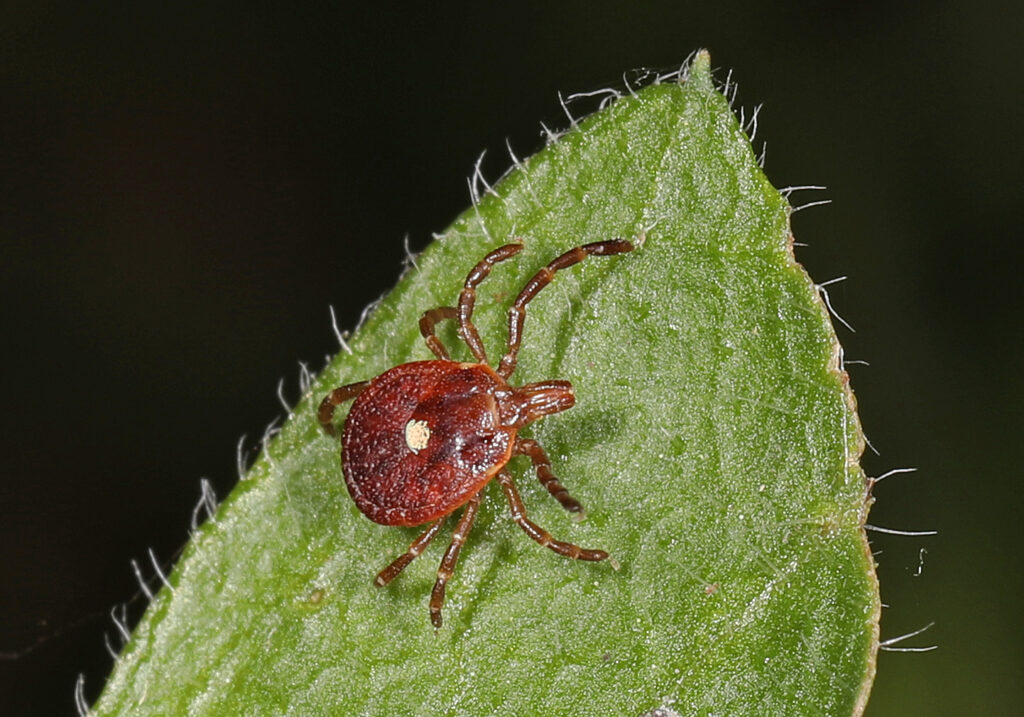
The geography of Northeast New Jersey creates a unique environment for the spread of AGS. The region’s mix of dense suburban neighborhoods, manicured parks, and preserved wooded areas like the Watchung Reservation and the Palisades provides an ideal habitat for hosts and ticks alike.
Historically, the Lone Star tick was confined to South Jersey. However, warming climate trends and the high density of white-tailed deer—the tick’s primary host—have pushed the species into the northern counties. Recent surveillance in areas like Monmouth and Middlesex showed that Lone Star ticks now frequently outnumber the black-legged (deer) ticks responsible for Lyme disease.
Northeast New Jersey is one of the most densely populated regions in the United States. Residents here often engage in outdoor activities—gardening, hiking, or visiting local parks—that put them in direct contact with “edge habitats” where grass meets woods. Data suggests that exposure is increasingly occurring in private backyards rather than deep forests.
For a region with a diverse and vibrant culinary scene, an AGS diagnosis is life-altering. Beyond avoiding steaks and burgers, highly sensitive individuals may react to:
Dairy products (milk, cheese, butter).
Gelatin (found in many candies and medications).
Lanolin (found in certain cosmetics and wool).