While New Jersey hosts over 60 documented mosquito species, three dominate the northeastern counties due to their high adaptability to the local suburban and urban environment.
Culex pipiens is the most widespread mosquito species across northern New Jersey and the primary driver of nocturnal mosquito activity.
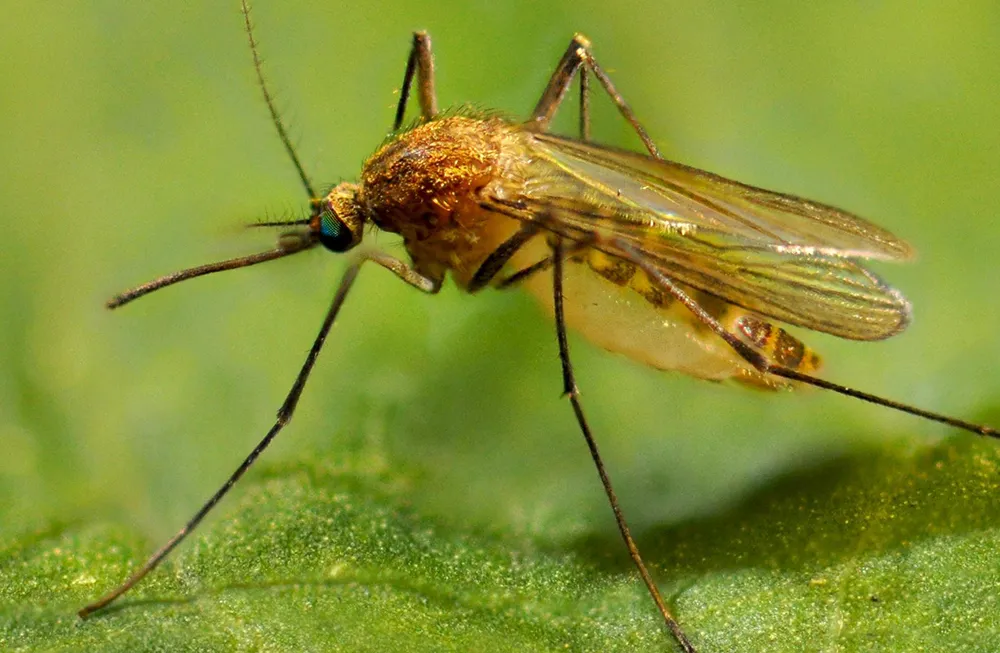
Aedes vexans are directly tied to Northeast New Jersey’s precipitation patterns, specifically heavy summer thunderstorms and passing coastal weather systems.
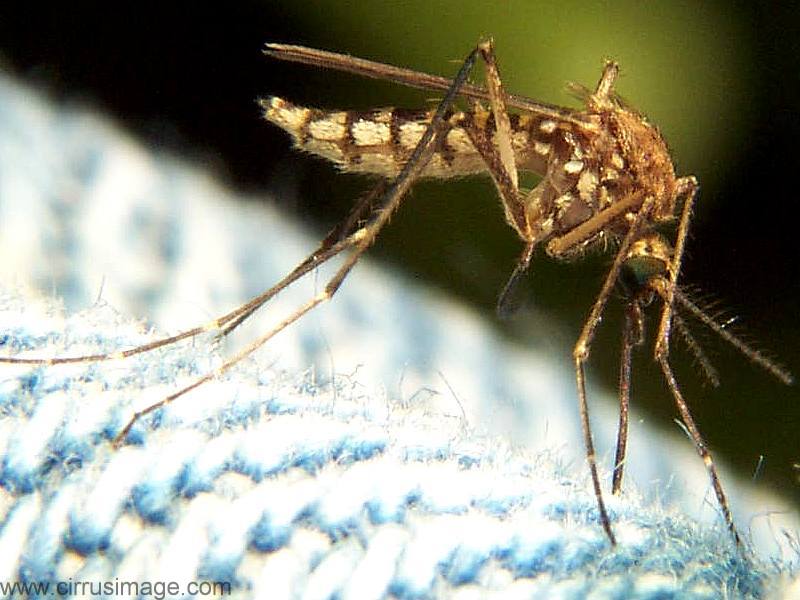
Aedes albopictus is an invasive species that has aggressively established itself in Northeast New Jersey. It is visually distinct, featuring a black body with a striking white dorsal stripe.
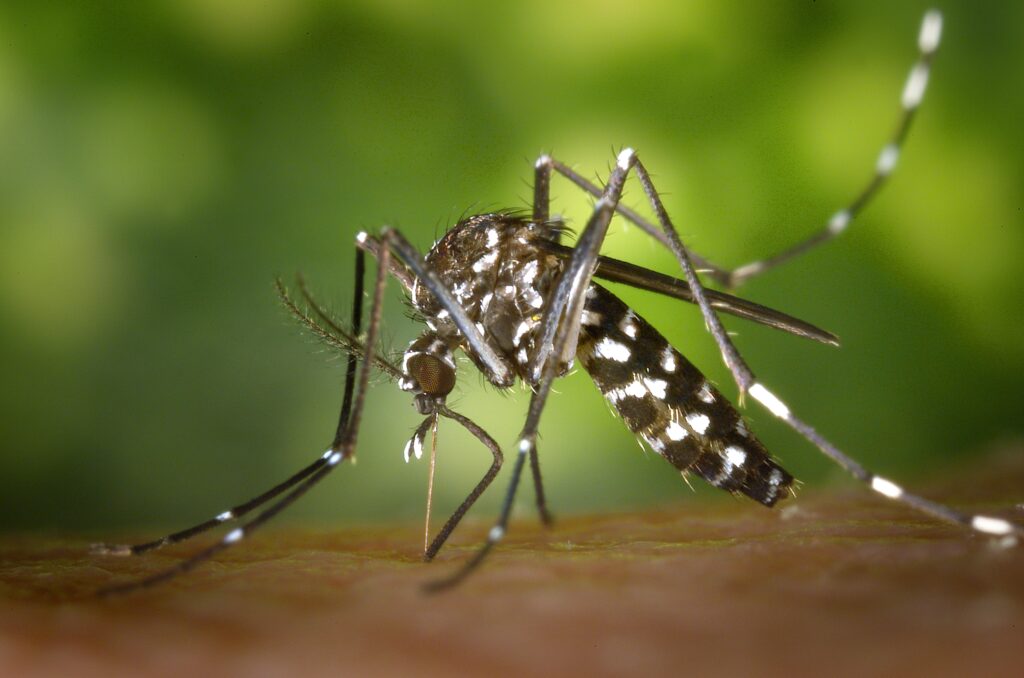
The behavior, lifespan, and prevalence of mosquito populations are heavily dictated by macro-climates. Throughout the United States, mosquito seasonality varies drastically based on temperature and precipitation baselines: