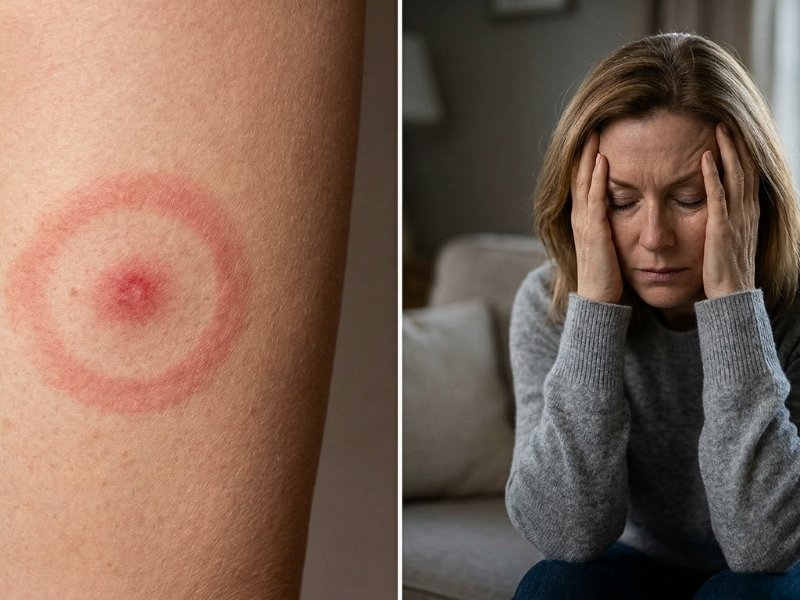
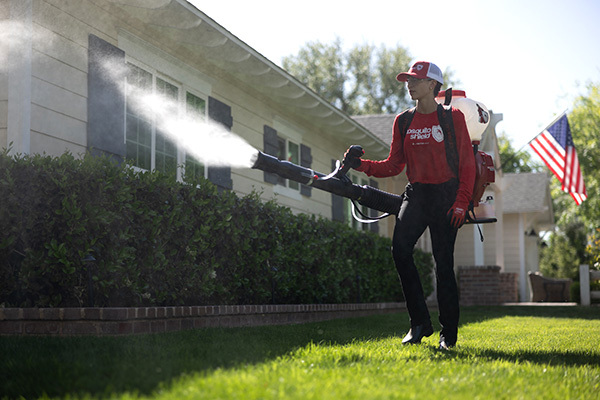
Northeast New Jersey is characterized by an extensive “wildland-urban interface” (WUI). Unlike purely rural or uniformly urban environments, this sub-region features dense suburban housing tracts tightly integrated into preserved wooded corridors, including the Ramapo Mountains, the Watchung Mountains, and the New Jersey Highlands.
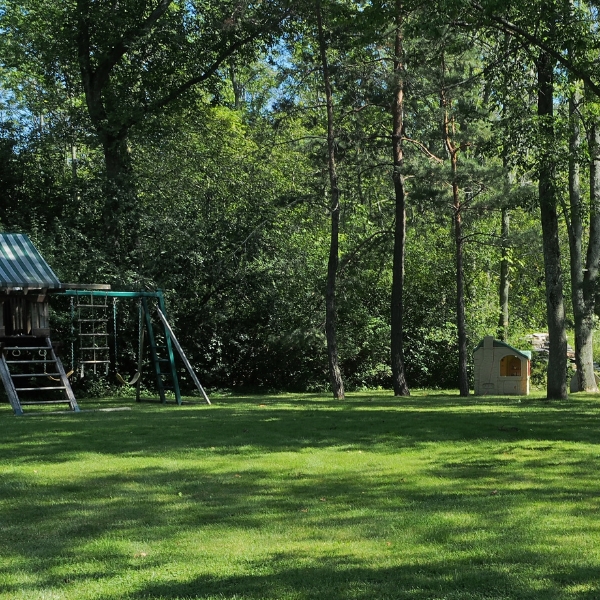
Lyme disease risk across the United States is not uniform; it reflects sharp regional divergences in tick genetics, host behavior, and climate patterns: