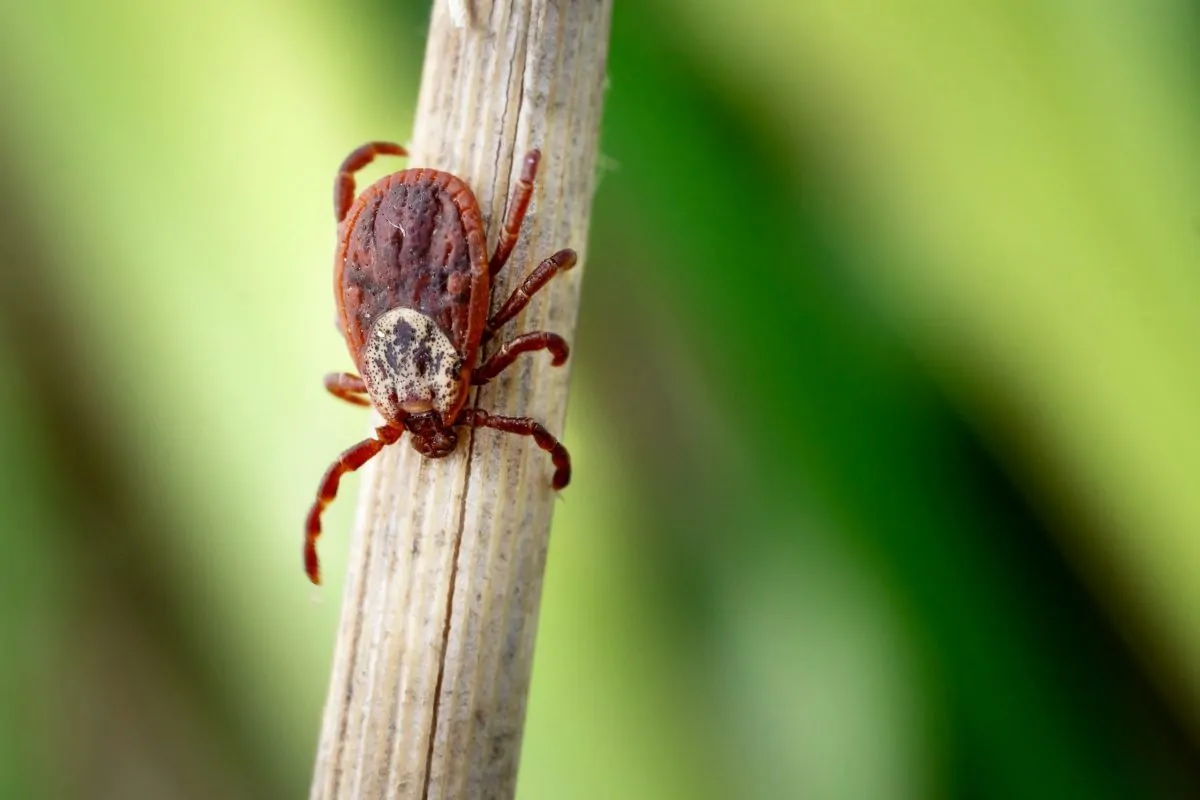
Knoxville sits at the foothills of the Appalachian region, surrounded by wooded hillsides, river corridors, parks, and suburban neighborhoods that provide ideal habitat for ticks. With humid springs, warm summers, and relatively mild winters, tick activity in East Tennessee can remain steady from early spring through late fall, with some species active during warm winter stretches.

The most common and aggressive tick species in East Tennessee.
Key traits:
Identified by the white “lone star” marking on adult females.
Actively seeks hosts rather than waiting passively.
Common in wooded areas, brush, leaf litter, and shaded yards.
Known to transmit ehrlichiosis.
Associated with alpha-gal syndrome, a red meat sensitivity linked to tick bites.
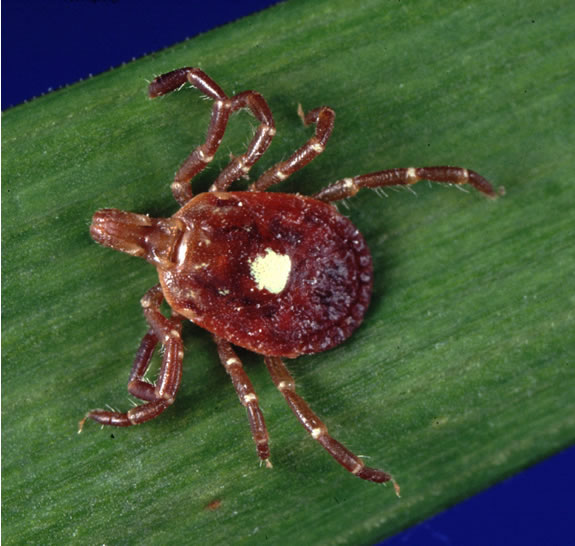
Widespread throughout Knox County and surrounding areas.
Key traits:
Most active from late spring through summer.
Common in grassy fields, trails, roadsides, and open yards.
Primary vector for Rocky Mountain spotted fever in Tennessee.
Larger size makes them easier to spot on people and pets.
Present in lower numbers compared to the Northeast, but still found throughout East Tennessee.
Key traits:
Prefers shaded woods, leaf litter, and forest edges.
Nymphs are very small and most active in spring and early summer.
Capable of transmitting Lyme disease, anaplasmosis, and babesiosis.
Encounters often occur near wooded trails and creek corridors.