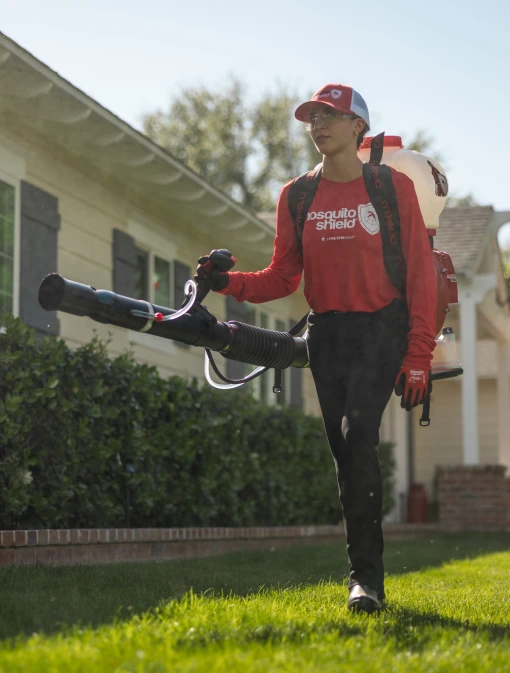
This is one of the most common mosquitoes found in urban and suburban environments. Culex pipiens prefers highly organic, polluted water sources, frequently laying egg rafts in catch basins, sewage lagoons, and artificial containers like discarded tires or gutters. They are the primary vector associated with West Nile Virus (WNV) and St. Louis Encephalitis (SLE) transmission in the region.
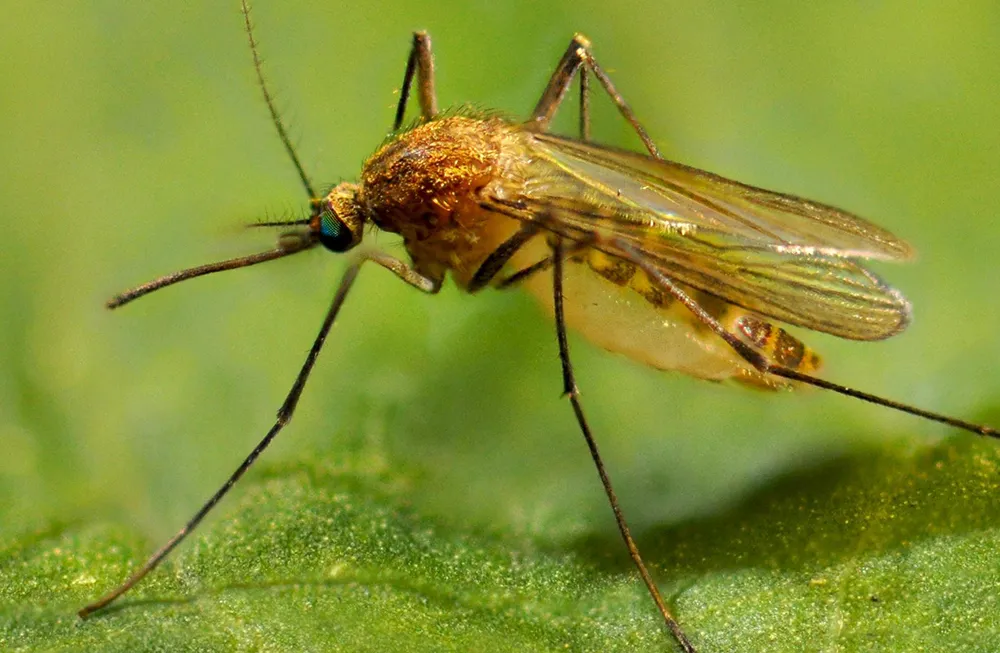
These species lay desiccation-resistant eggs in low-lying areas, floodplains, and roadside ditches. A massive population surge typically follows heavy summer rainfalls of one inch or greater, hatching eggs that have remained dormant in the soil.
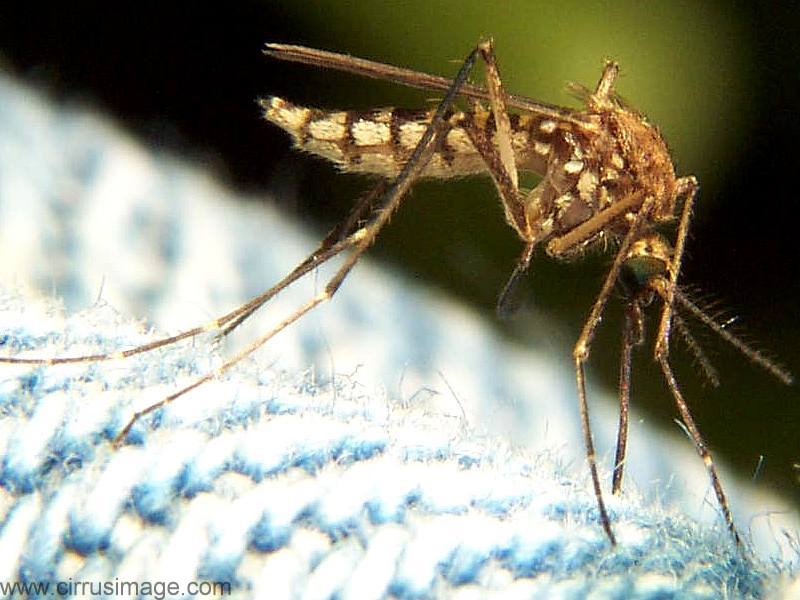
Unique to regions with heavy winter snowfall, these mosquitoes produce a single generation per year. Larvae hatch in late March from pools of melted snow in wooded areas, developing slowly in cold water before emerging as adults in May.
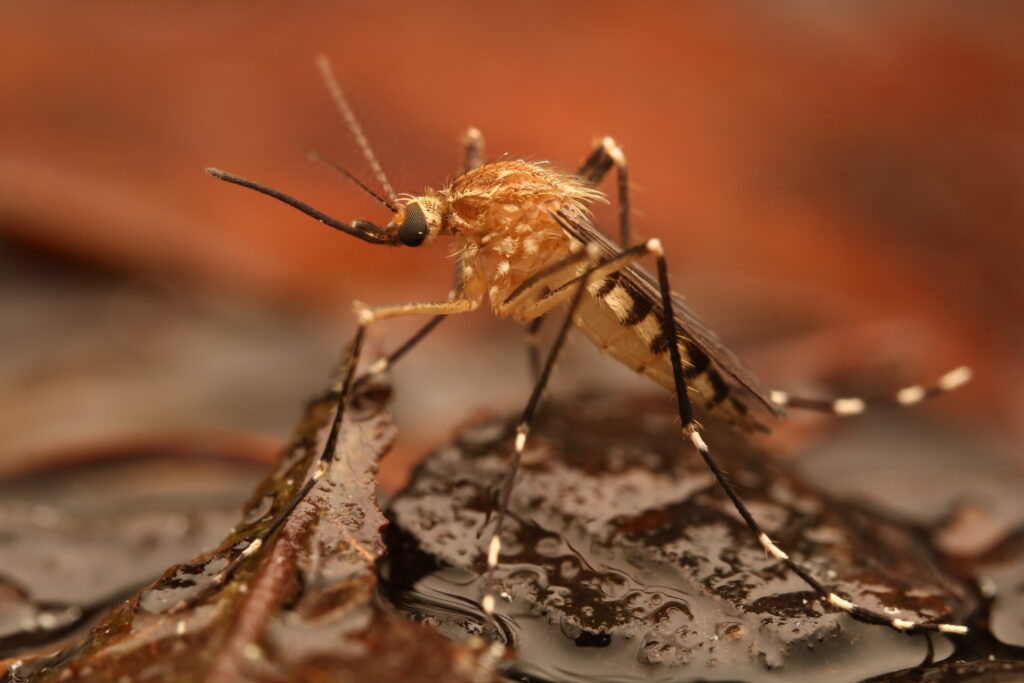


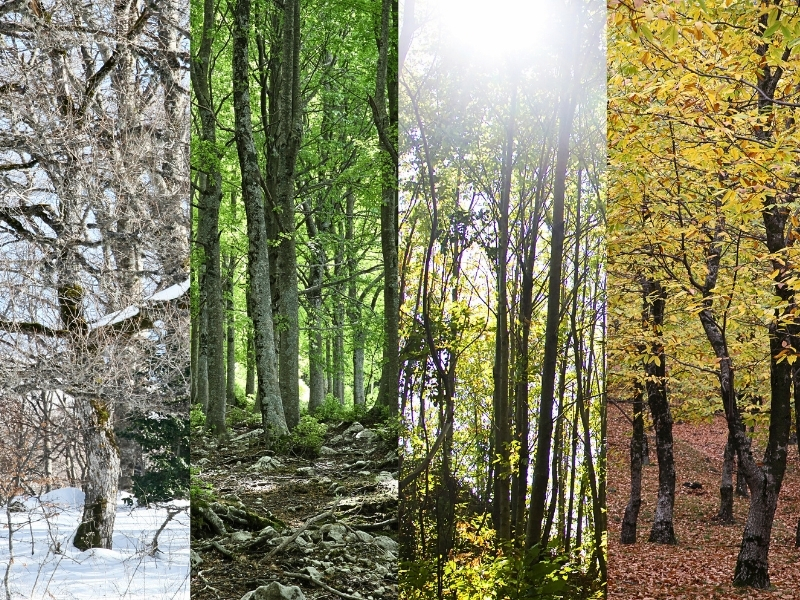
Mosquito lifecycles are heavily dictated by regional climate variations. Unlike the southern United States, where warmer climates allow for near year-round mosquito activity and multi-generational breeding cycles, Jackson’s climate forces strict seasonal behavior.
During Michigan’s freezing winters, mosquito activity halts. Species like Culex pipiens overwinter as dormant adults in protected areas such as garages, cellars, or natural crevices. Other species overwinter as eggs buried in leaf litter or soil, waiting for the spring thaw.
The transition from spring to summer introduces the highest volume of mosquito activity. The spring snowmelt creates temporary woodland pools that trigger the first wave of spring floodwater mosquitoes. As temperatures rise, high summer humidity and localized thunderstorm activity create the perfect catalyst for summer floodwater species, leading to rapid, explosive population spikes within days of precipitation.