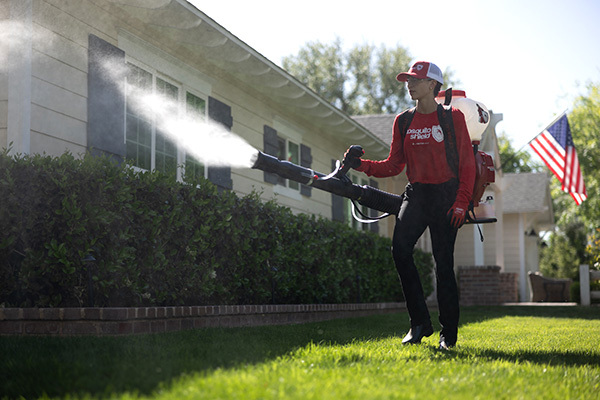
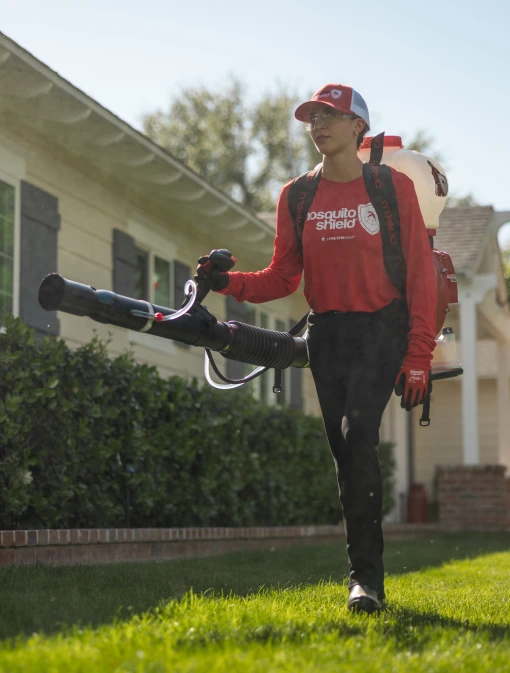
In Huntsville, Alabama, spring marks the beginning of increased mosquito
activity as temperatures rise and rainfall becomes more frequent. These
conditions create ideal breeding environments for local mosquito
populations. Homeowners and residents should be aware that mosquito
presence typically escalates from early spring through summer, influenced
by the region’s warm climate and standing water sources.
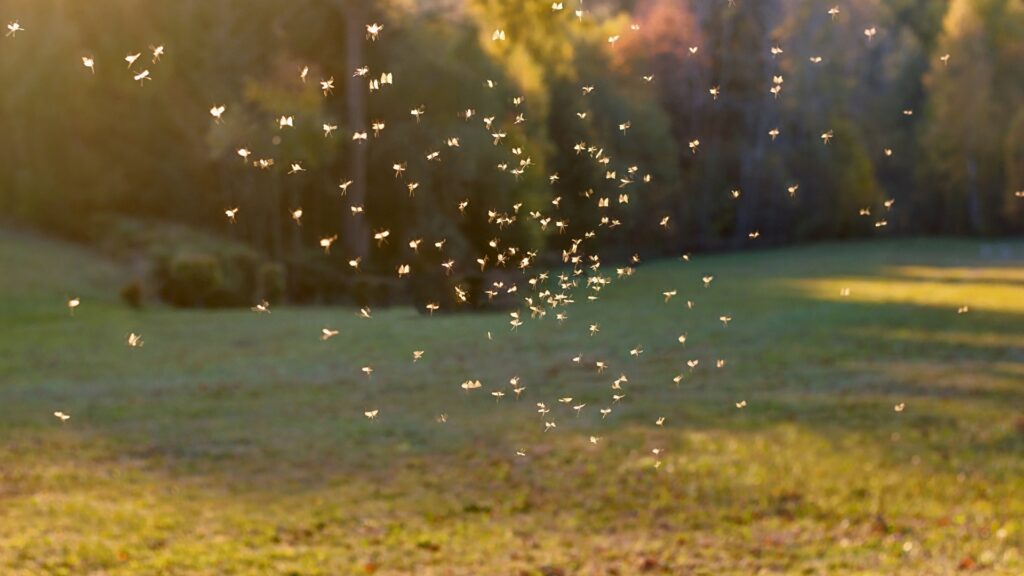
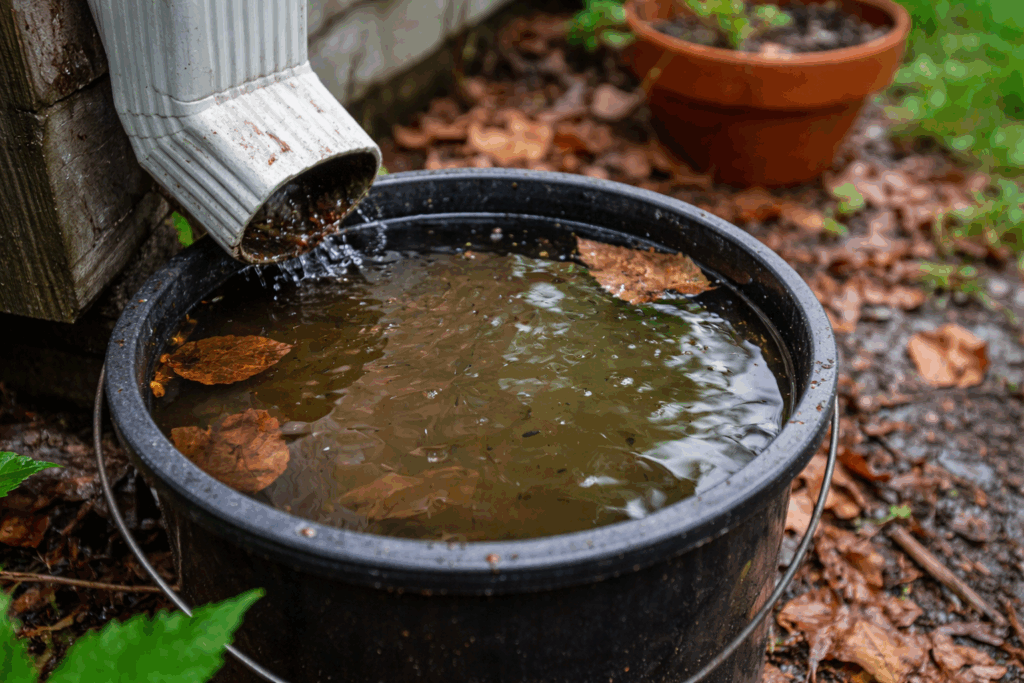
Mosquito breeding sites in Huntsville are typically found near standing
water sources such as clogged gutters, birdbaths, old tires, storm drains,
and natural water collections like tree holes and flood-prone fields.
Residential yards with poor drainage or unattended containers provide ideal
habitats. Wetlands and wooded areas around the city also support mosquito
populations.
1. Early Spring (March to April)
– Mosquito eggs begin hatching as temperatures rise
– Initial emergence of overwintering species
– Breeding sites start to fill with spring rains
2. Late Spring (May to June)
– Rapid increase in mosquito populations
– Multiple species actively breeding and biting
– Increased presence around residential areas
3. Summer (July to August)
– Peak mosquito activity and abundance
– Warm temperatures and frequent rain sustain breeding
– Highest risk period for mosquito-borne diseases
4. Fall (September to October)
– Gradual decline in mosquito numbers
– Cooler temperatures reduce breeding
– Some species lay eggs to overwinter
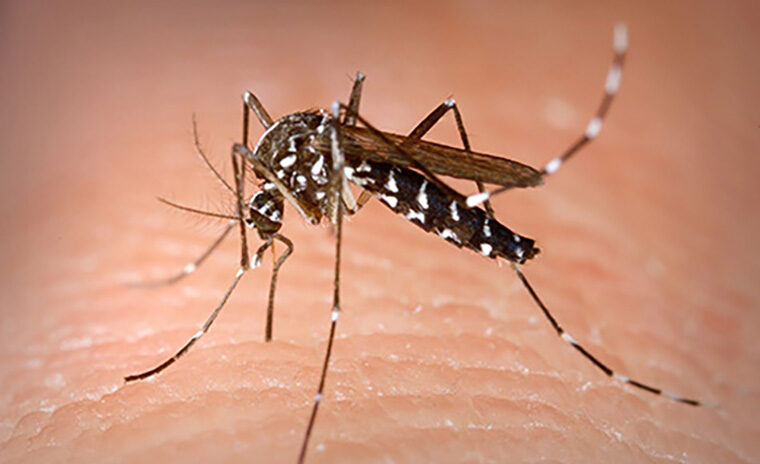
Identification: Small, dark mosquito with white stripes on the legs and a lyre-shaped design on its thorax.
Habitat: Common in residential areas across Huntsville especially where containers like planters, buckets, or clogged gutters collect rainwater.
Behavior: Aggressive daytime biter; prefers feeding on humans.
Health Risks: Known to transmit Zika virus, chikungunya, and dengue fever.
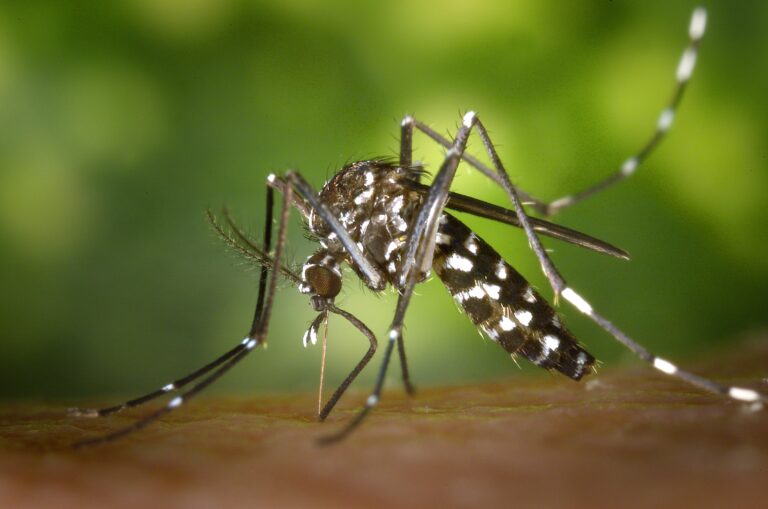
Identification: Black mosquito with a bright white stripe down the back and banded legs.
Habitat: Found near shady yards, parks, and greenbelts in areas like Five Points or Jones Valley. Breeds in small items that hold water.
Behavior: Active during daylight hours; often bites around the lower legs.
Health Risks: Capable of spreading West Nile virus, dengue, and Zika.
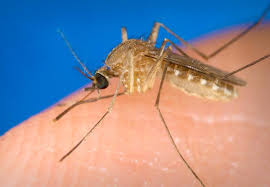
Identification: Light brown with darker stripes along the abdomen.
Habitat: Breeds in stagnant water—storm drains, retention basins, septic areas, and neglected birdbaths.
Behavior: Bites primarily at night and can enter homes in older neighborhoods and rural fringes.
Health Risks: Main vector of West Nile virus in North Alabama.
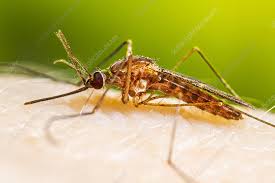
Identification: Medium-sized mosquito with four dark spots on each wing and a characteristic resting angle.
Habitat: Prefers clean, slow-moving water—common around creeks and ditches throughout Monte Sano and Green Mountain areas.
Behavior: Most active at dawn and dusk.
Health Risks: Historical vector of malaria; still known for persistent, itchy bites.