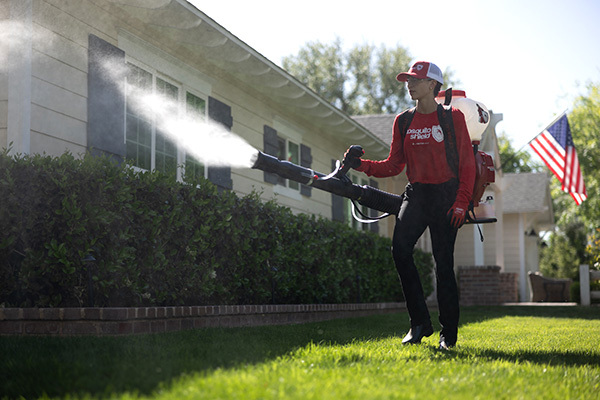
Mosquito activity is entirely dependent on environmental conditions, specifically ambient temperature and standing water. This reliance dictates stark differences in mosquito seasonality across the United States:

When a mosquito feeds on a domestic animal, it introduces saliva into the bloodstream. This exchange is the primary mechanism for pathogen transmission and allergic reactions.
Heartworm Disease (Dirofilaria immitis)
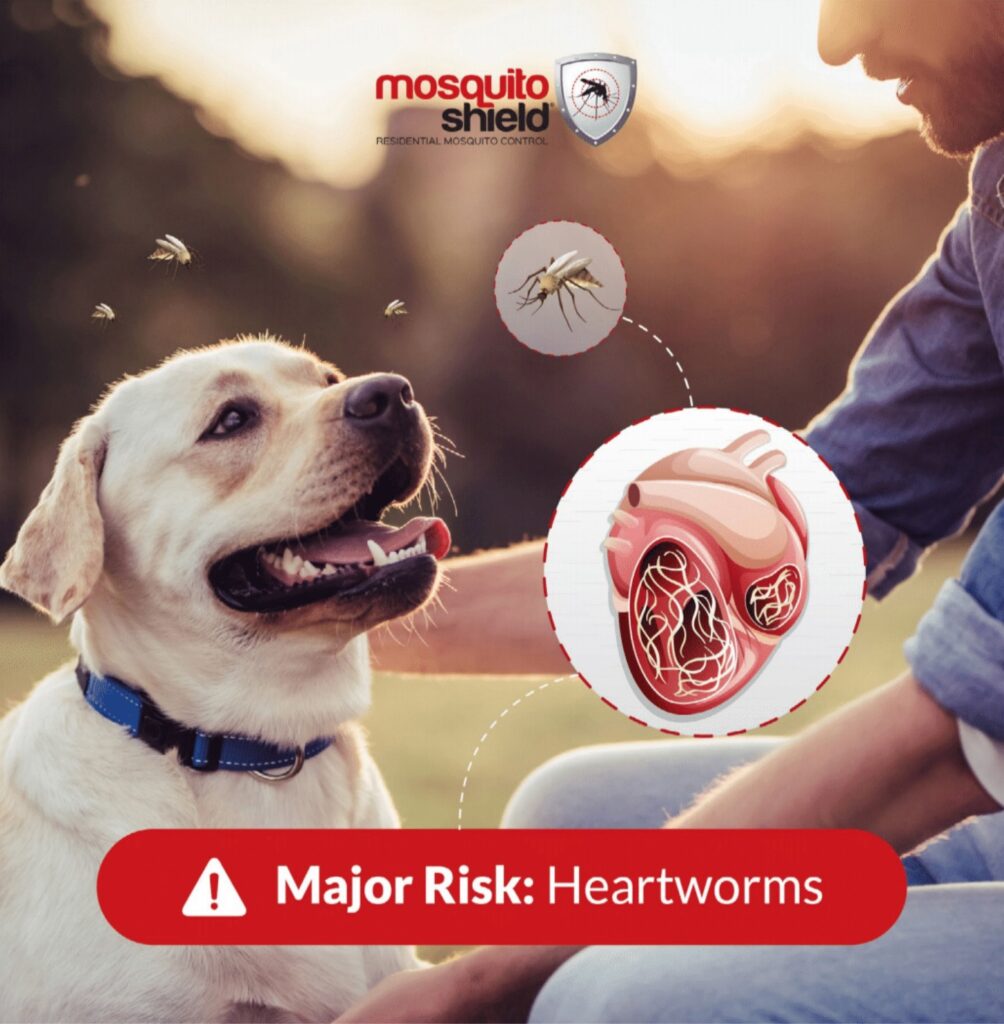
Heartworm is the most prevalent and dangerous mosquito-borne threat to pets in Alabama. It is transmitted exclusively by infected mosquitoes. Upon biting a dog or cat, the mosquito deposits microscopic larvae (microfilariae) into the animal. Over several months, these mature into parasitic worms that obstruct the heart and pulmonary arteries. Given the length and intensity of Huntsville’s mosquito season, the region is classified as a high-risk zone for heartworm transmission.
Mosquito Bite Hypersensitivity
Many domestic animals develop hypersensitivity to the proteins present in mosquito saliva. This localized allergic reaction causes intense pruritus (itching) and epidermal inflammation. Dogs and cats will often chew or scratch the bite sites obsessively, which frequently leads to open wounds, secondary bacterial infections, and acute moist dermatitis (commonly known as “hot spots”).
Viral Transmissions (West Nile & EEE)
While viruses like Eastern Equine Encephalitis (EEE) and West Nile Virus are more commonly associated with horses and avian populations in Alabama, domestic pets can occasionally be affected. Though severe clinical symptoms in dogs and cats are rare, exposure to these viruses can unnecessarily compromise an animal’s immune system.
The topography and regional characteristics of Huntsville contribute heavily to localized mosquito populations. The presence of the Asian Tiger Mosquito (Aedes albopictus) is particularly relevant for pet owners in residential areas.
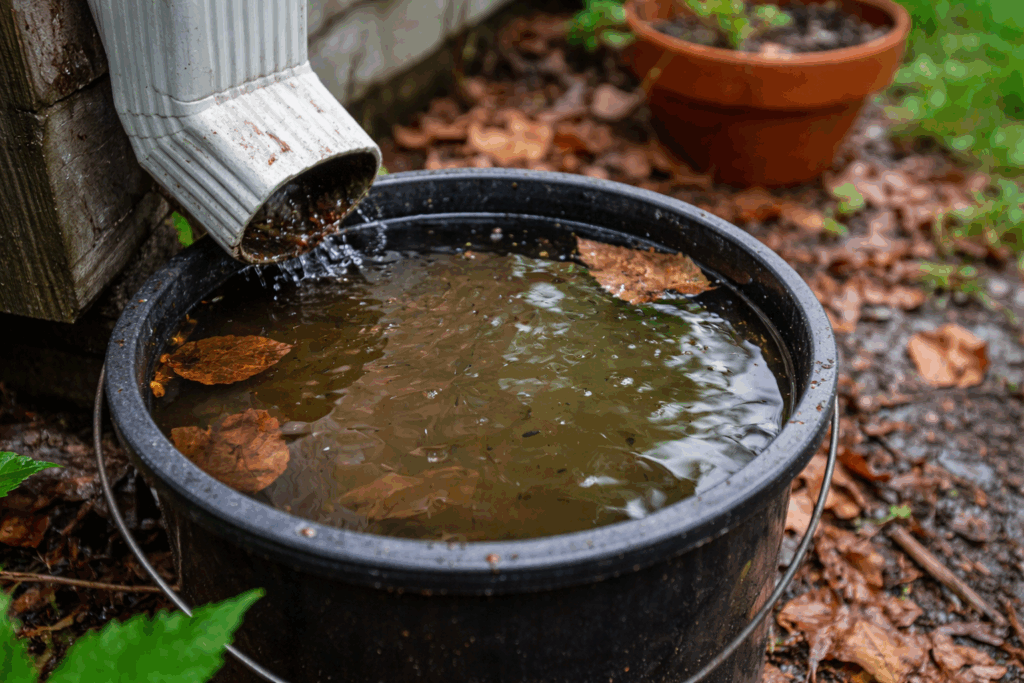
Unlike mosquitoes that require large swamps or the banks of the Tennessee River to breed, the Asian Tiger Mosquito is an aggressive daytime biter that thrives in micro-habitats. They are “container breeders,” capable of laying eggs in minute volumes of stagnant water commonly found in suburban backyards, such as corrugated drainage pipes, plant saucers, and discarded yard debris.

Eliminating stagnant water on the property disrupts the mosquito life cycle at the larval stage. Pet owners should establish a weekly routine to:
Sanitize Water Sources: Empty, scrub, and refill outdoor pet water bowls daily.
Manage Yard Drainage: Ensure gutters are clear of leaf litter and check that French drains or runoff areas are not pooling water for more than 48 hours.
Monitor Pet Play Areas: Inspect the yard for items that collect rainwater, including plastic toys, wheelbarrows, tire swings, and hollow tree stumps. Drill drainage holes where appropriate.
Maintain Birdbaths: Flush and refresh birdbaths at least twice a week.