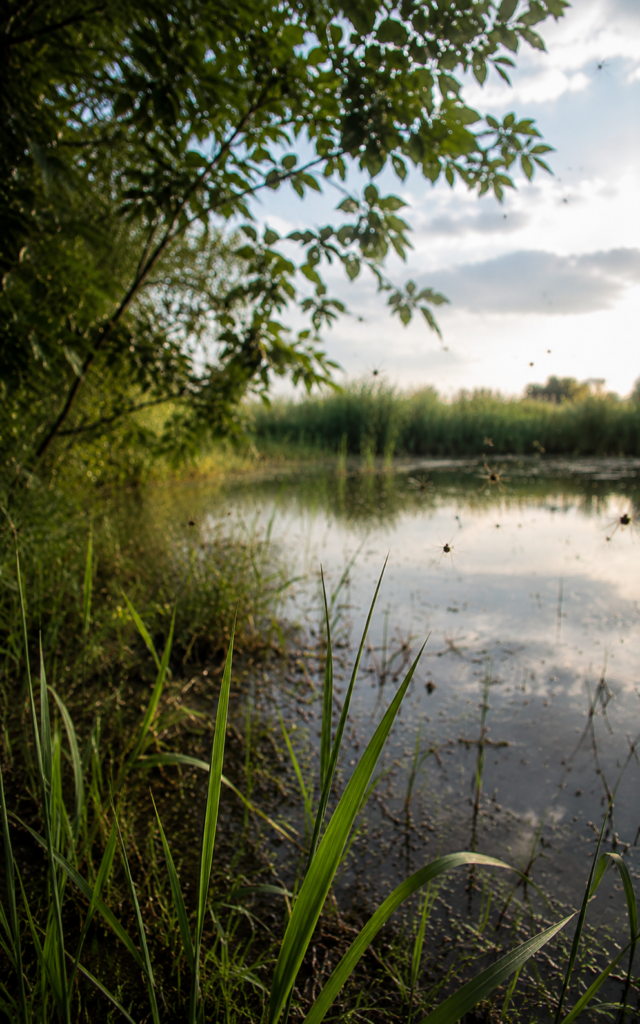
During warm Texas weather, this process can happen quickly. Some mosquitoes can develop from egg to adult in about a week when conditions are favorable. That means a small, overlooked water source can support repeated breeding cycles throughout the season.
For homeowners in San Antonio, Helotes, Boerne, Bulverde, Leon Valley, Shavano Park, Fair Oaks Ranch,, and nearby communities, mosquito control is not just about the mosquitoes seen today. It is also about interrupting the next generation before it develops.
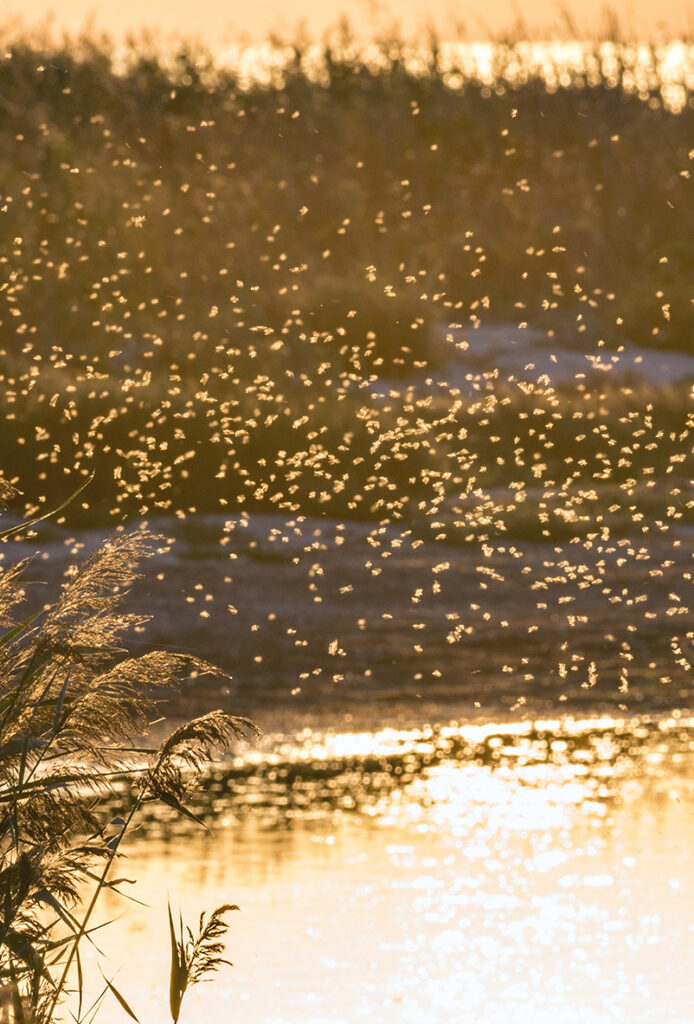
Mosquitoes do not need a large river, pond, creek, or wetland to reproduce. Many mosquito problems begin much closer to the home. Any area or object that holds stagnant water for several days can become a breeding site.
Common mosquito breeding areas include:
In Greater San Antonio, creek corridors, Hill Country terrain, irrigated landscapes, drainage channels, retention areas, seasonal rainfall, and shaded outdoor spaces can all contribute to mosquito pressure. Water that collects in shaded areas may remain long enough for mosquitoes to complete their life cycle.
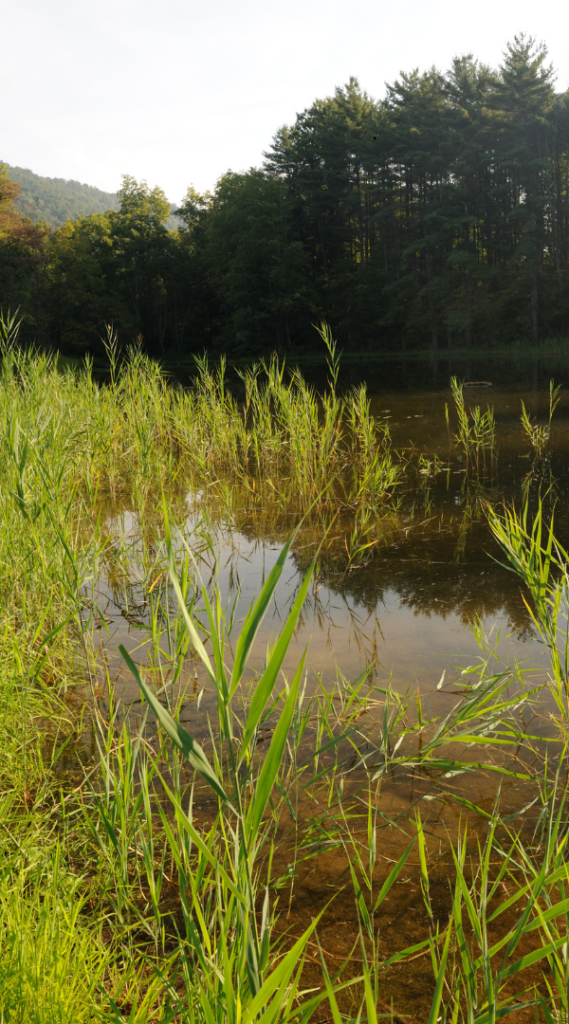
Reducing mosquito activity starts with removing standing water. Homeowners can help by checking the property after rain, emptying containers, clearing gutters, refreshing birdbaths, and looking for hidden water around outdoor living areas.
Professional mosquito control adds another layer of protection by targeting the places where adult mosquitoes rest, including shaded shrubs, landscape beds, perimeter vegetation, fence lines, and damp areas around the property. For homes in Greater San Antonio and surrounding communities, reducing breeding sites and treating mosquito resting areas can help make outdoor spaces more comfortable during the warm, humid months.