Oklahoma City’s climate and landscape create ideal conditions for a wide range of insects and arachnids. Warm temperatures, periodic heavy rain, and extended dry spells shape seasonal bug activity across central Oklahoma. As the region moves through spring and into summer, populations of spiders, ants, earwigs, and scorpions can increase due to environmental factors that support food sources, shelter, and breeding conditions.
Understanding what drives these population shifts helps residents anticipate seasonal pest pressure and outdoor comfort challenges.

Rain and Warming Temperatures Trigger Early Development
Mosquito eggs laid during the previous season remain dormant until spring conditions activate them.
Spring rainfall creates standing water in yards, ditches, and containers
Saturated soil and poor drainage extend moisture availability
Warming daytime and overnight temperatures accelerate larval development
Under favorable conditions, mosquitoes can develop from egg to adult in as little as 5–10 days.

Why populations increase
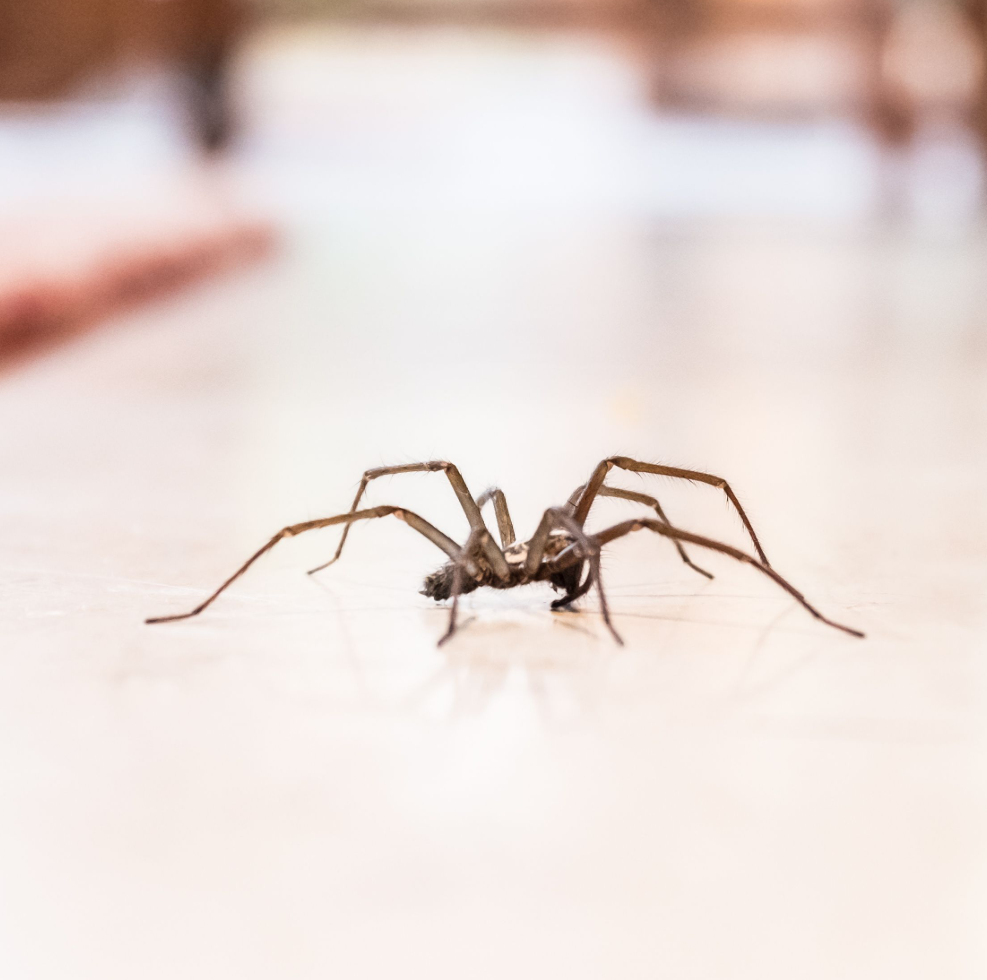
Spiders thrive when prey insects are abundant. Warm weather and increased insect activity provide ample food sources.
Factors fueling spider activity:
Higher insect populations during warm months
Outdoor lighting attracting prey insects
Cluttered storage areas and landscaping providing shelter
Structures offering protected web-building sites
Seasonal trend:
Spider activity typically rises in late spring and peaks during summer and early fall.
Why populations increase
Ant colonies expand rapidly in warm weather, especially after spring rains that soften soil and support foraging.
Factors fueling ant activity:
Moist soil after rain facilitating nest expansion
Food availability from outdoor dining and trash
Cracks in foundations providing entry points
Dry conditions pushing ants indoors in search of water
Seasonal trend:
Ant activity increases in spring and remains high through summer.
Why populations increase
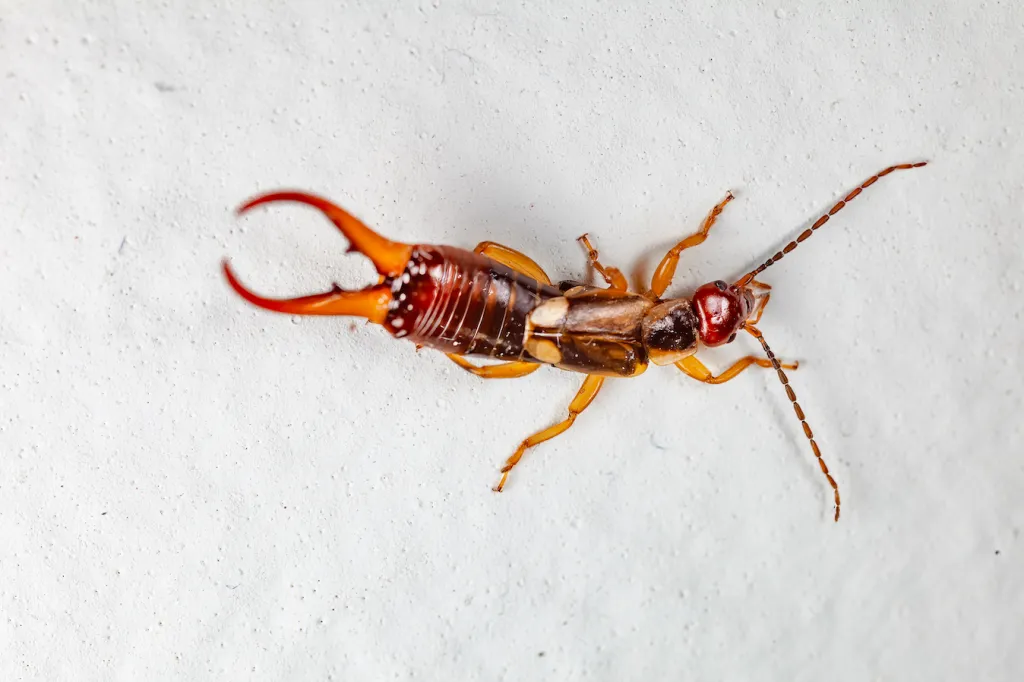
Earwigs prefer moist environments and become more noticeable after periods of rain.
Factors fueling earwig activity:
Damp soil and mulch beds
Leaf litter and yard debris providing shelter
Overwatering landscapes
Cool, shaded hiding spots near structures
Seasonal trend:
Earwig populations increase during wet spring conditions and remain active in humid summer weather.
Why populations increase
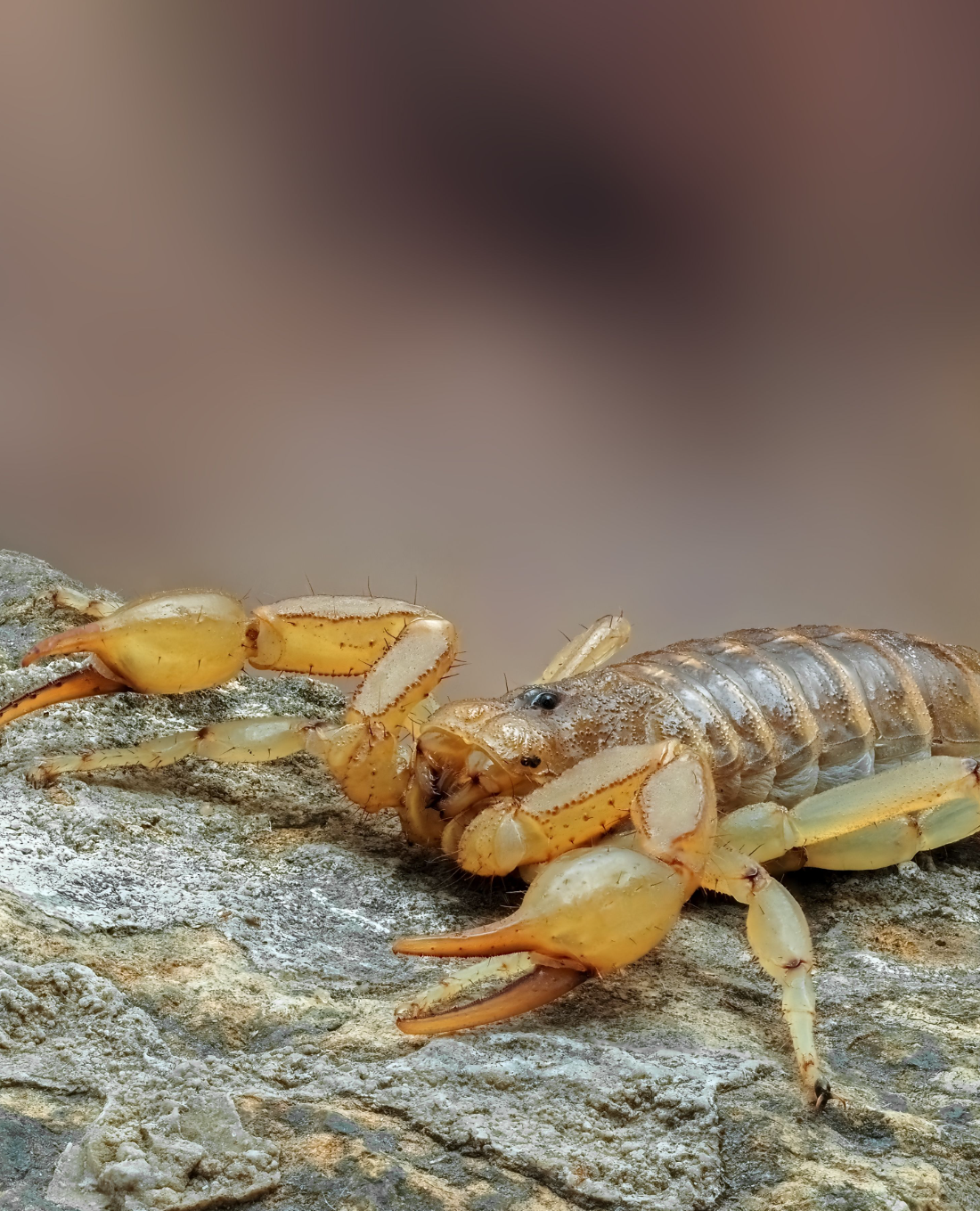
While less common than other pests, scorpions are present in central Oklahoma and thrive in warm, dry conditions.
Factors fueling scorpion activity:
Hot, dry weather driving them indoors
Rock piles, wood stacks, and debris providing shelter
Abundant prey such as insects and spiders
Cracks in foundations and exterior walls
Seasonal trend:
Scorpion activity increases in late spring and summer, especially during dry spells.