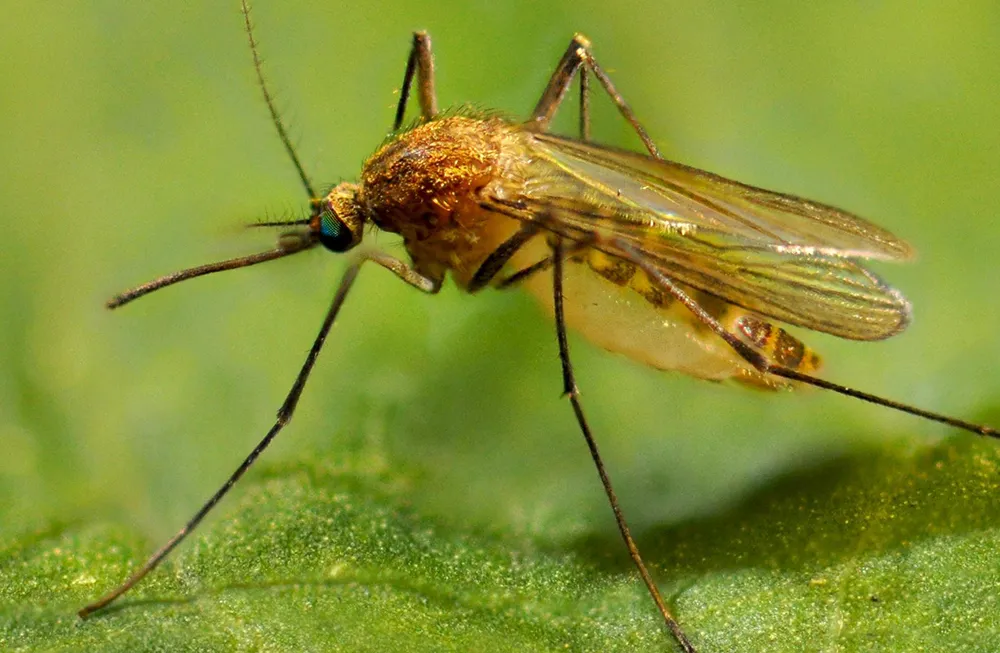
Oklahoma City’s landscape from its urban neighborhoods and greenbelts to its surrounding plains, creeks, and reservoirs supports a wide variety of mosquito species throughout the warm season. With long, humid summers, intermittent heavy rainfall, and frequent storm systems, conditions across OKC allow mosquitoes to thrive from spring through early fall, with peak pressure during warm and moist periods.
Several mosquito species in the region are notable not only for nuisance biting but also for their potential role in disease transmission.
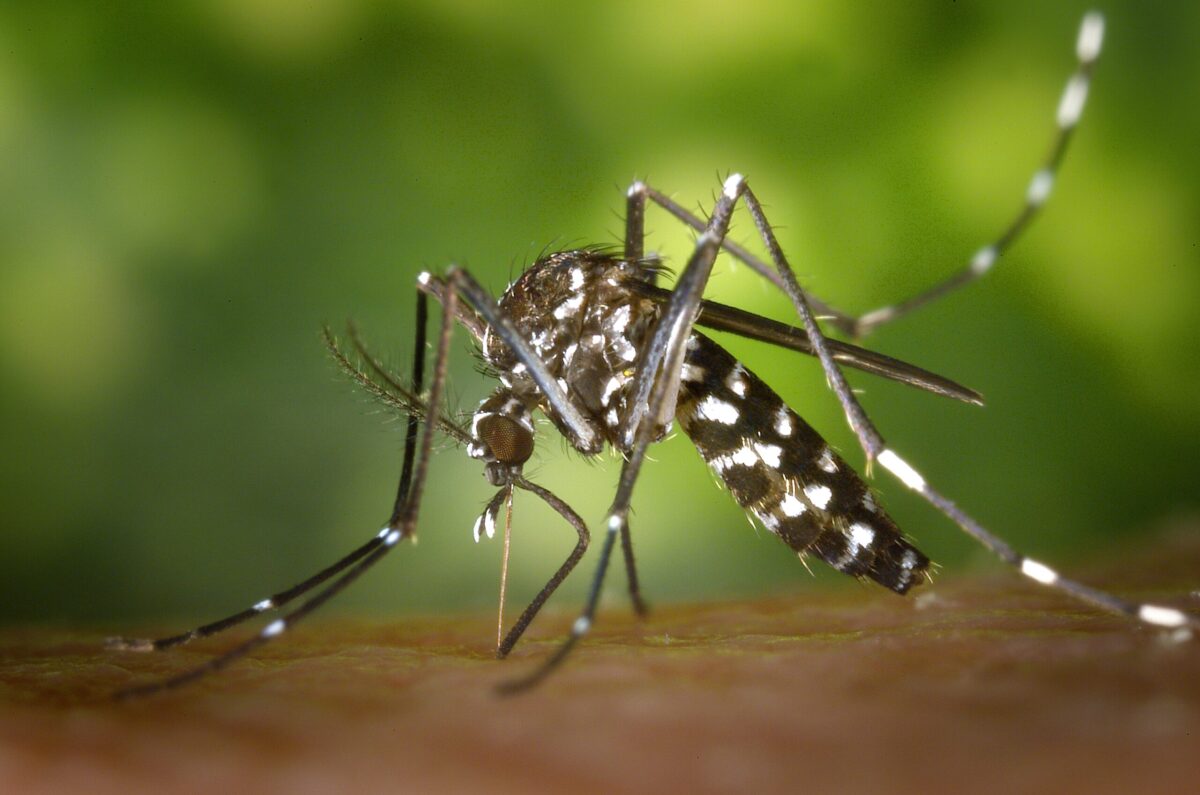
Increasingly present in central Oklahoma, especially in urban and suburban neighborhoods.
Key traits:
Highly active daytime biter.
Breeds in small containers around homes: buckets, flowerpots, gutters, and tires.
Known vector for Zika, Dengue, and Chikungunya in warmer climates.
Thrives in warm, shaded, human-made environments.
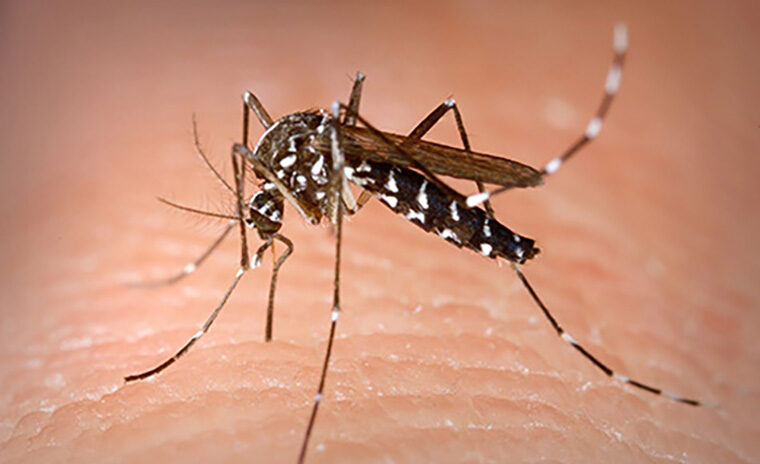
Widespread across OKC and throughout central Oklahoma.
Key traits:
Aggressive daytime biter with black-and-white striping.
Prefers shaded yards and container habitats.
Populations surge after rainfall and during hot, humid conditions.
Known for biting persistently even during short outdoor activities.
One of the most abundant seasonal species in the OKC area, especially after storms.
Key traits:
Emerges in large numbers after heavy rain, flooding, or water runoff.
Strong nuisance biter during dusk and dawn hours.
Common in grassy fields, roadside ditches, and low-lying areas.
Does not typically transmit disease but causes significant discomfort.
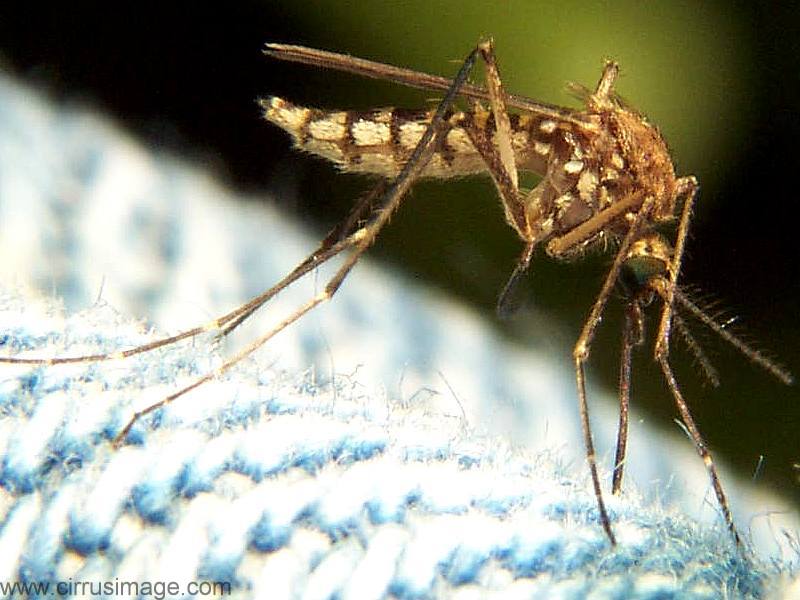
A primary urban mosquito tied to disease concerns.
Key traits:
Breeds in stagnant water near homes — birdbaths, drains, gutters, and containers.
Most active at dusk and nighttime.
Main vector for West Nile virus in Oklahoma.
Populations peak during hot late-summer nights.