East Dallas including areas such as Lakewood, Casa Linda, White Rock Lake, Old East Dallas, and surrounding neighborhoods experiences long, hot summers, mild winters, and frequent shifts between dry periods and sudden thunderstorms. These weather patterns create a mosquito season that begins early and lasts well into fall.
With dense tree canopy, creek systems, neighborhood ponds, and the White Rock Lake watershed, East Dallas is especially prone to fluctuating mosquito activity driven by the area’s changing weather.
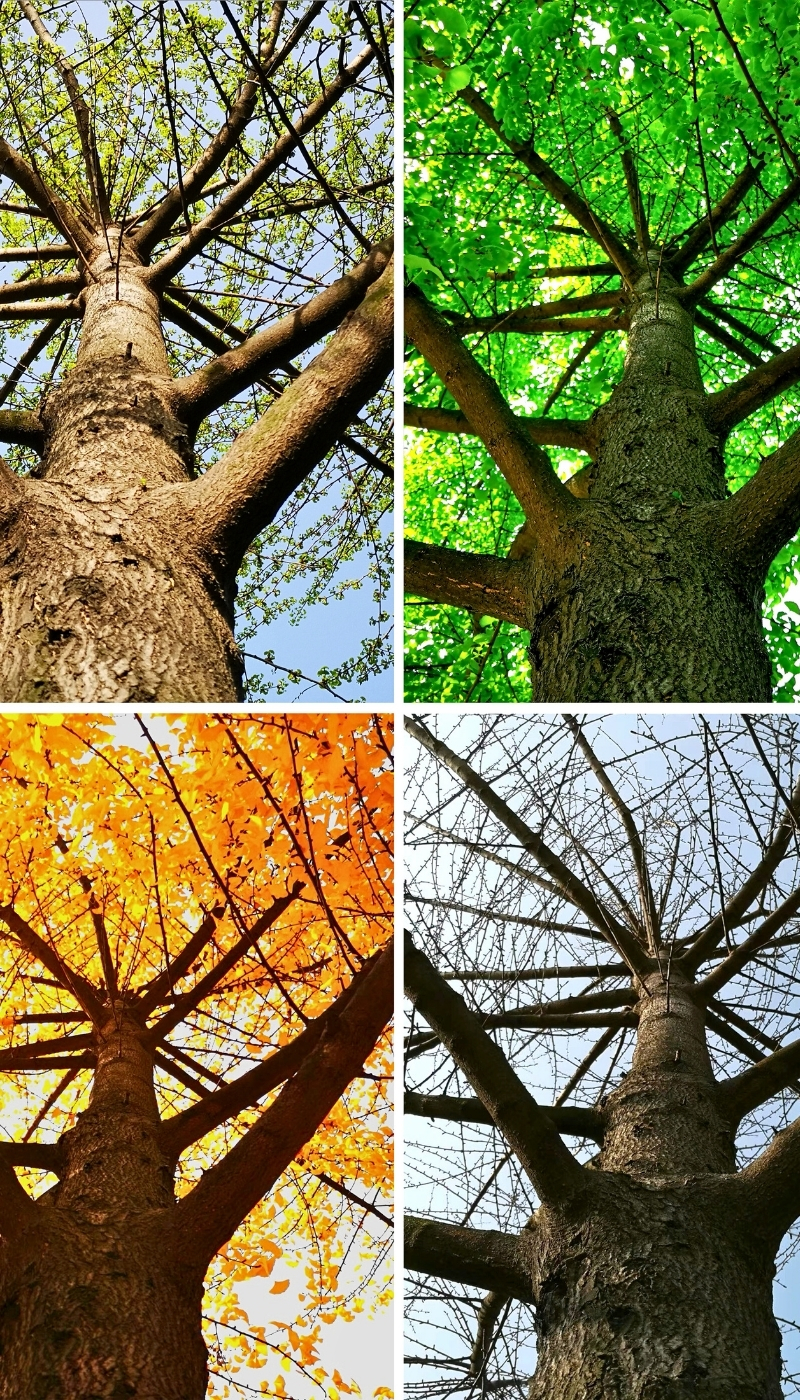
Spring (March–May)
Spring marks the start of mosquito season across East Dallas.
Frequent thunderstorms and spring rainstorms create temporary pools, puddles, and clogged drainage areas.
Warmer temperatures speed up larval development.
Daytime-biting Aedes mosquitoes surge around yards, patios, gutters, and containers.
Summer (June–August)
Summers in East Dallas are long, hot, and humid — perfect for mosquito population growth.
Intense heat shortens the mosquito life cycle to 5–10 days, allowing rapid multiplication.
Pop-up thunderstorms and irrigation refill standing water around homes, parks, and creeks.
High humidity helps adult mosquitoes survive longer and remain active even during early morning and late afternoon hours.
Culex mosquitoes — linked to West Nile virus — thrive in stagnant water and warm evening temperatures.
Early Fall (September–October)
Warm early fall weather keeps mosquitoes active long after summer ends.
Late-season rainfall triggers new breeding waves.
Culex mosquitoes remain active as long as warm nights persist.
Activity continues until nighttime lows drop into the 50s.
Winter (November–February)
Mosquito activity dips during cold snaps but never fully disappears.
Aedes eggs survive winter easily in soil and containers.
Warm winter days — common in North Texas — can trigger brief adult activity.
Mild winters allow mosquitoes to rebound quickly in spring.