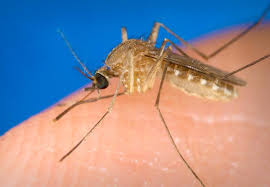
East Dallas hosts a wide range of mosquito species thanks to its warm climate, heavy tree canopy, urban landscapes, creeks, and proximity to White Rock Lake. With long warm seasons and frequent rainfall, mosquito populations remain active from early spring through late fall.
Here are the most common species residents encounter in East Dallas neighborhoods.

Well established across East Dallas, particularly in shaded, urban neighborhoods.
Key traits:
Aggressive daytime biter.
Breeds in small containers — buckets, toys, gutters, plant saucers, and trash can lids.
Known for spreading Zika, Dengue, and Chikungunya in tropical environments.
Thrives in warm, urban conditions.
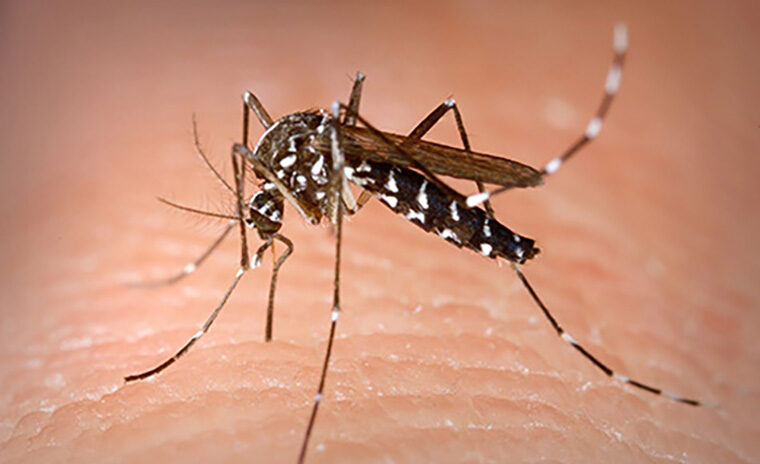
One of the most aggressive and widespread species in East Dallas.
Key traits:
Active during daylight hours, especially in shaded areas near vegetation.
Easily identifiable with black-and-white striping.
Populations spike after rain and during humid summer weather.
A major nuisance species in heavily wooded neighborhoods.
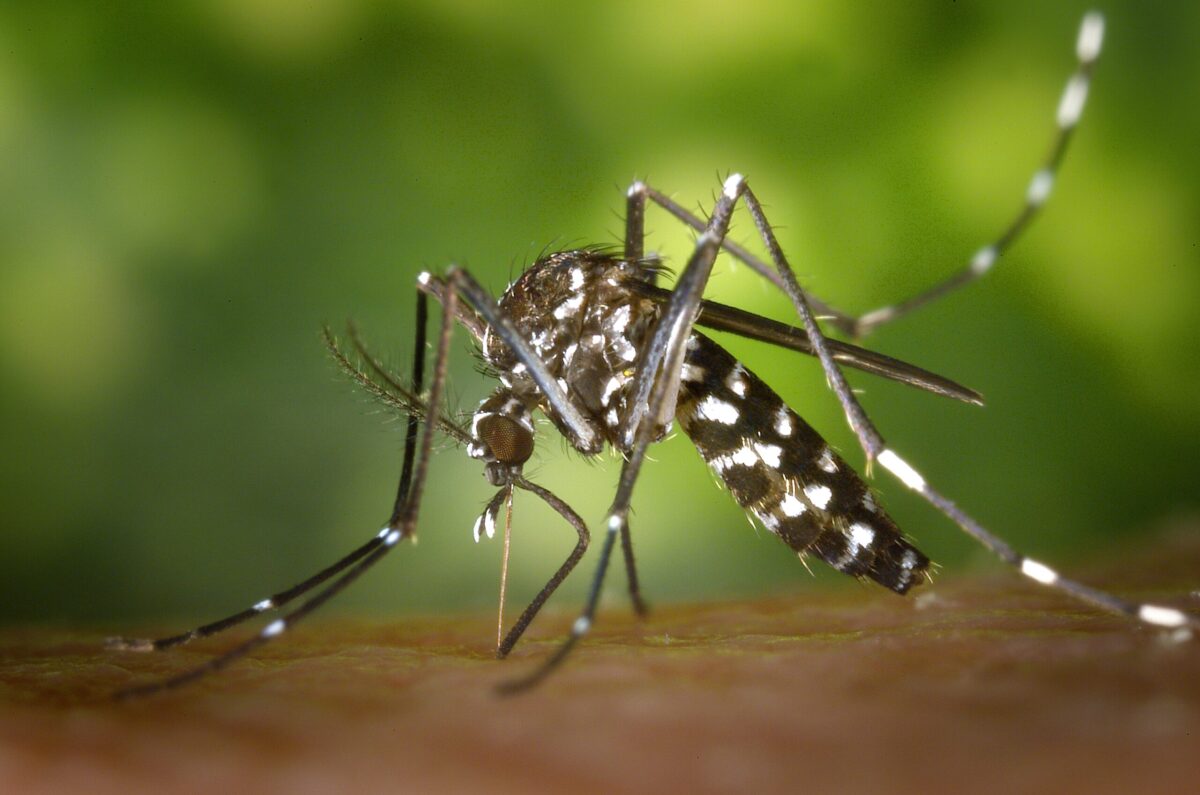
Common following thunderstorms and flooding events.
Key traits:
Emerges in large numbers after heavy rainfall.
Bites aggressively during dusk, dawn, and shaded areas.
Frequently found around creeks, drainage areas, and low-lying yard depressions.
Primarily a nuisance species rather than a disease vector.
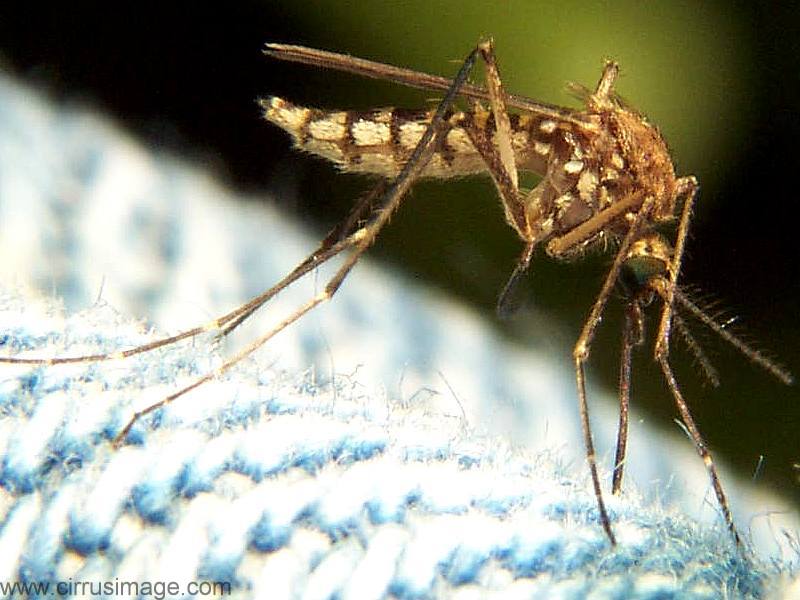
A major species associated with West Nile virus in Texas.
Key traits:
Strong nighttime biter, active after sunset.
Breeds in stagnant water with organic buildup — gutters, storm drains, retention ponds.
Populations rise sharply during warm, stagnant evenings.
Heavily monitored during late summer.