Experience relaxation and peace in your Noda backyard with our proven mosquito control solution. Trusted by families in Noda, our innovative approach not only repels mosquitoes but also establishes a durable barrier customized to your outdoor environment. Mosquito Shield of East Charlotte is dedicated to creating mosquito-free zones, so you can enjoy your outdoor spaces without interruption.
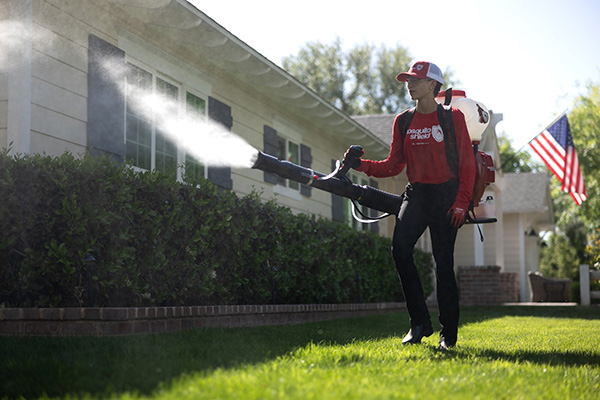
Effective mosquito control in Noda, NC, that drives mosquitoes away and keeps them out of your yard.

Enjoy mosquito-free outdoor time in Noda with treatments designed to provide lasting results.
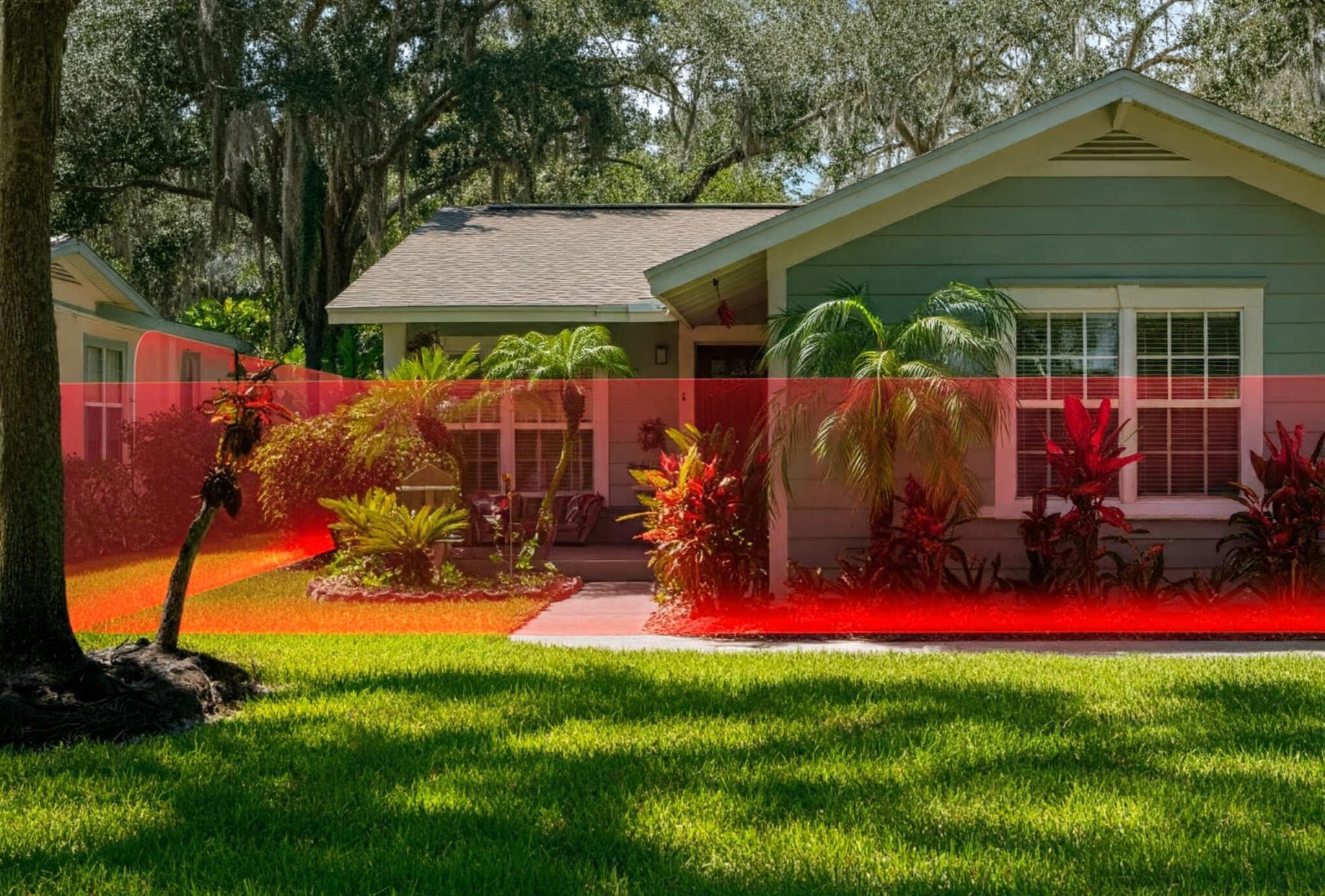
Highly rated mosquito control services in Noda, NC, trusted by residents to enhance outdoor living.
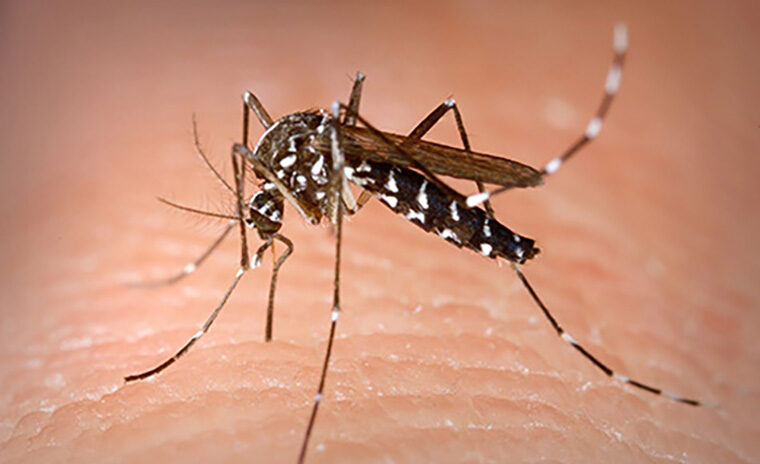
Identification: Small, black mosquito with white stripes on legs and a lyre-shaped pattern on its thorax.
Habitat: Frequently found in suburban Charlotte neighborhoods—breeds in containers like plant trays, kids’ toys, and clogged gutters.
Behavior: Aggressive daytime biter; targets humans.
Health Risks: Known carrier of Zika virus, dengue, and chikungunya.
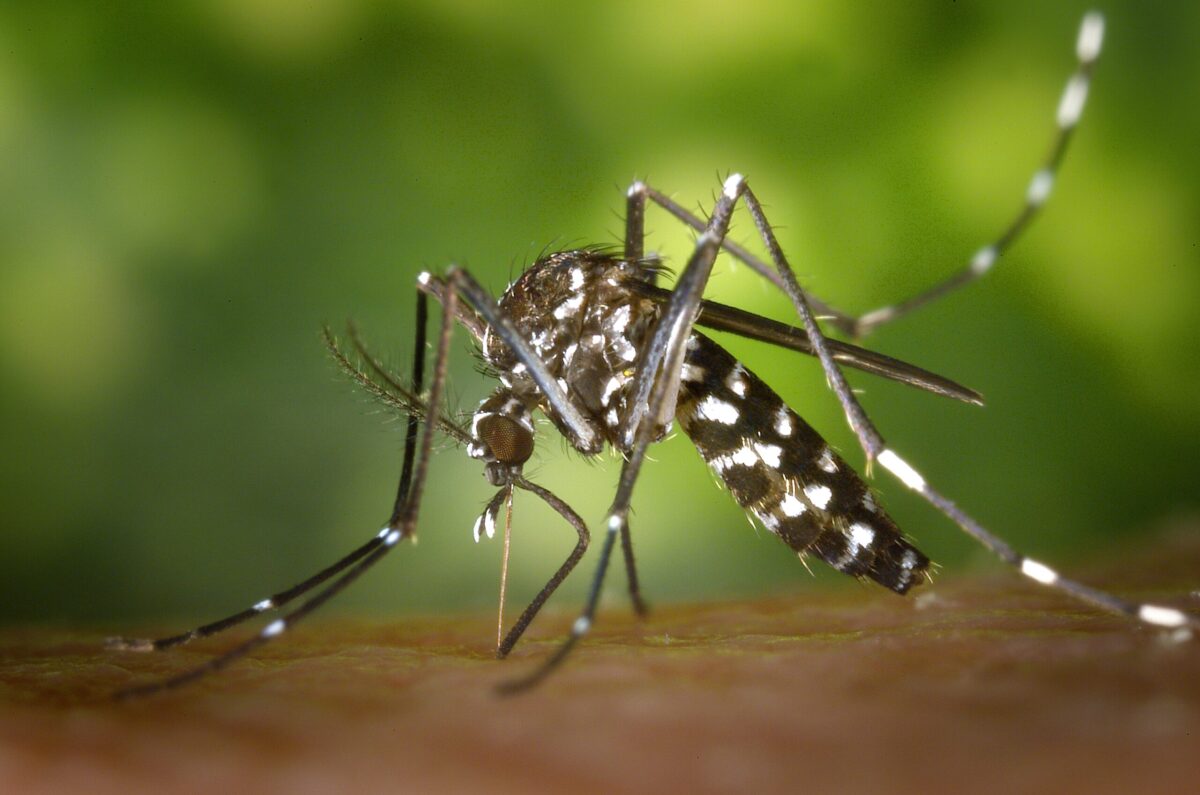
Identification: Black with a distinct white stripe down the back and banded legs.
Habitat: Common across shaded areas in Charlotte like Freedom Park, wooded backyards, and tree-lined sidewalks. Breeds in small, water-holding containers.
Behavior: Active during the day; often bites around ankles and legs.
Health Risks: Potential vector of West Nile, Zika, and dengue viruses.
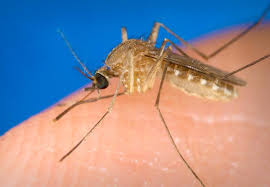
Identification: Light brown body with darker, narrow bands on the abdomen.
Habitat: Found in stagnant water sources across Charlotte—storm drains in Uptown, retention ponds, and neglected birdbaths.
Behavior: Nocturnal biter; often enters homes.
Health Risks: Main vector of West Nile virus in North Carolina.
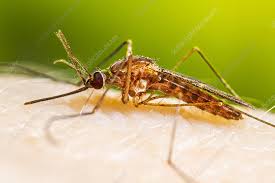
Identification: Medium-sized, with four dark spots on each wing; rests with body at a 45° angle.
Habitat: Prefers clean, slow-moving water like those found near the Catawba River or in South Charlotte retention basins.
Behavior: Most active at dawn and dusk.
Health Risks: Historical malaria vector; known for persistent biting in rural and semi-wooded neighborhoods.


NoDa, North Carolina—short for North Davidson—is Charlotte’s historic arts district, celebrated for its colorful murals, creative energy, and walkable streets. With popular outdoor spots like North Charlotte Park, Cordelia Park, and nearby access to the Cross Charlotte Trail, residents enjoy a vibrant outdoor lifestyle. However, NoDa’s warm, humid summers, frequent rain, and dense landscaping make it a favorable environment for mosquito and tick activity throughout much of the year.
Residents of NoDa face seasonal risks from mosquito-borne illnesses such as West Nile Virus and La Crosse Encephalitis, as well as tick-borne diseases like Lyme disease and Rocky Mountain Spotted Fever. With sidewalk cafes, live music patios, and neighborhood greenways in constant use, proactive mosquito and tick control is important for maintaining both comfort and community health.
To help minimize these risks, NoDa residents are encouraged to:
Routinely remove standing water from containers, gutters, planters, and pet bowls.
Use insect repellent and wear light, long-sleeved clothing during dawn and dusk hours.
Schedule regular mosquito and tick treatments for homes, yards, and shared green spaces.
Mecklenburg County also runs mosquito monitoring and control efforts across neighborhoods like NoDa to reduce the spread of mosquito-borne diseases.

NoDa experiences hot, humid summers and mild winters, leading to a mosquito and tick season that stretches from late spring into early fall. Rainfall, urban runoff, and shaded landscaping provide the moisture and shelter these pests need to thrive.
Key Factors Influencing Pest Activity:
Mosquitoes and Urban Water Collection: Buckets, containers, storm drains, and rooftop water pooling around NoDa homes and businesses create mosquito breeding grounds.
Ticks and Dense Landscaping: Overgrown greenery, shared greenways, and shaded park edges throughout the district offer ideal environments for ticks, especially during spring and fall.

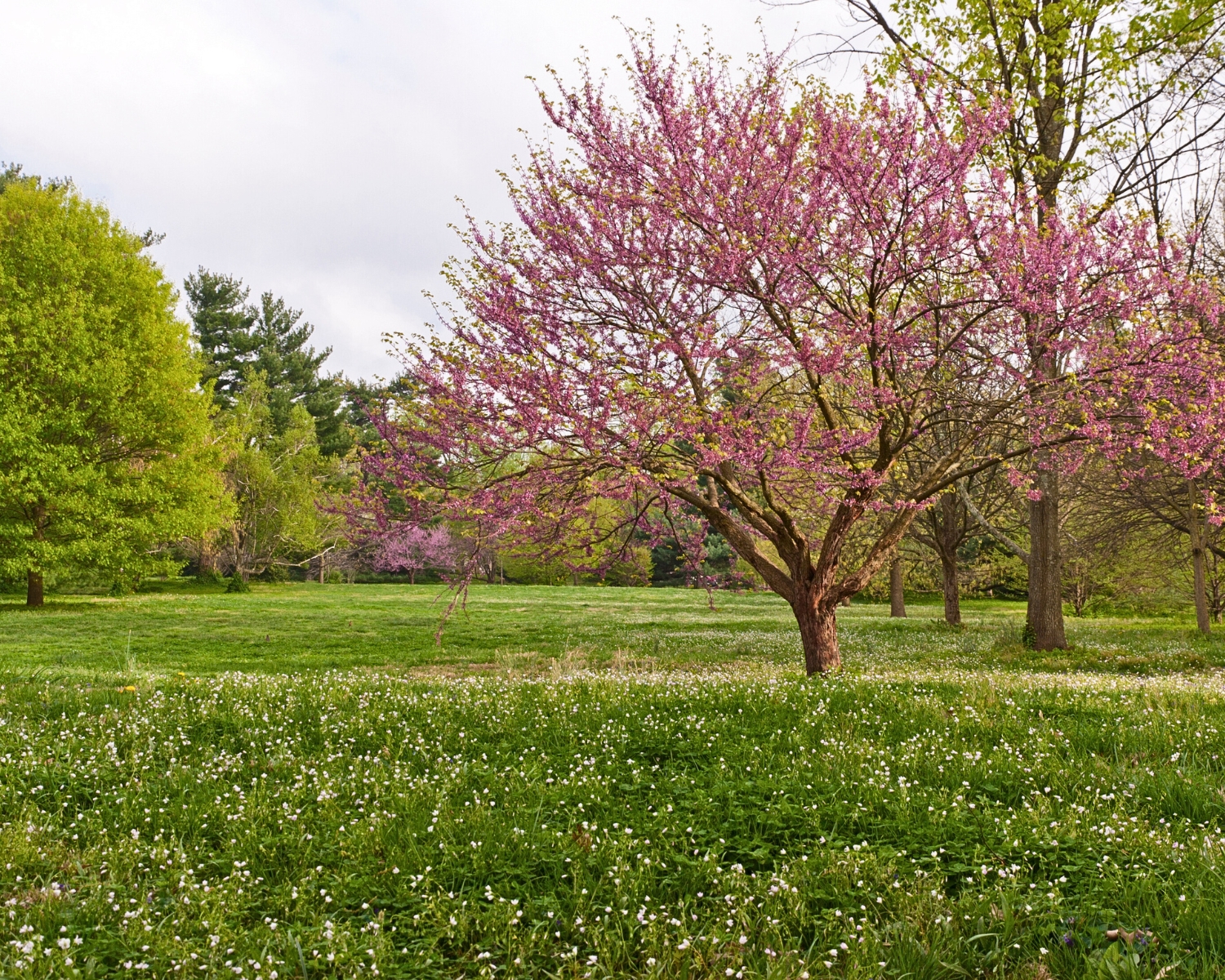
Key Activity: Mosquito season begins as temps warm and rain picks up.
Breeding: Standing water from spring showers and lawn irrigation fuels early hatching—especially in South Charlotte and Ballantyne neighborhoods.
Common Species Active: Aedes aegypti and Culex quinquefasciatus.
Behavior: Biting increases at dawn and dusk as populations ramp up.

Key Activity: Peak mosquito season in Charlotte—hot temps and heavy thunderstorms are ideal for breeding.
Breeding: Backyard puddles, storm drains, pool covers, and planter trays become hotspots.
Common Species Active: Aedes albopictus, Aedes aegypti, and Culex quinquefasciatus.
Behavior: Biting is frequent both day and night—outdoor activities often require planning around mosquito pressure.
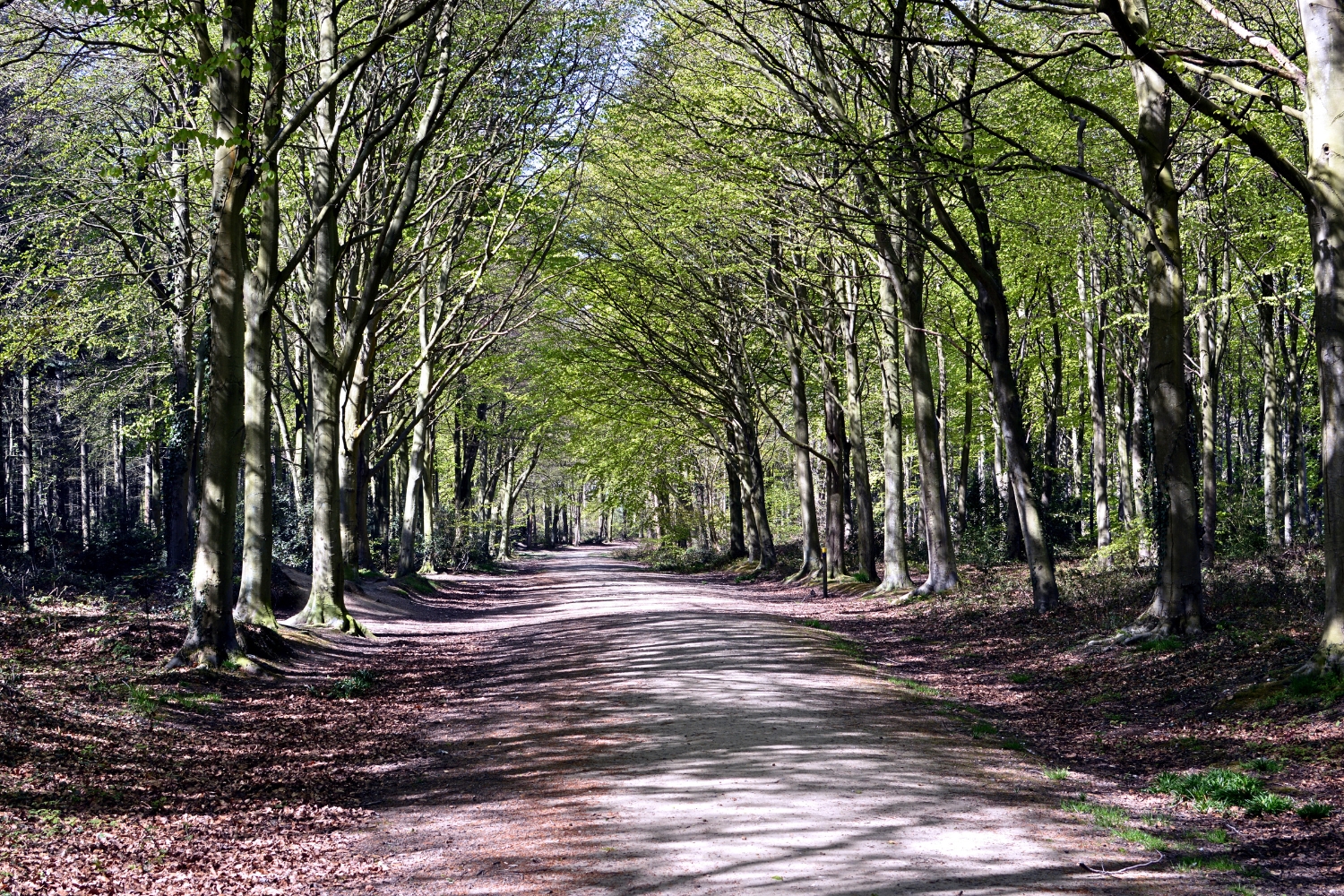
Key Activity: Activity tapers but lingers into late fall, especially after mild days.
Breeding: Continued rainfall and yard runoff support limited reproduction.
Common Species Active: Remaining Aedes and Culex species.
Behavior: Biting persists on warmer afternoons—especially near wooded areas like Reedy Creek Park.
Key Activity: Mosquito activity slows significantly, though not gone entirely.
Eggs: Aedes eggs persist in dry containers and hatch after the next warm, wet event.
Adults: Culex mosquitoes overwinter in protected places like crawlspaces or basements.
Behavior: Expect brief activity during warm spells or post-rain days in February.