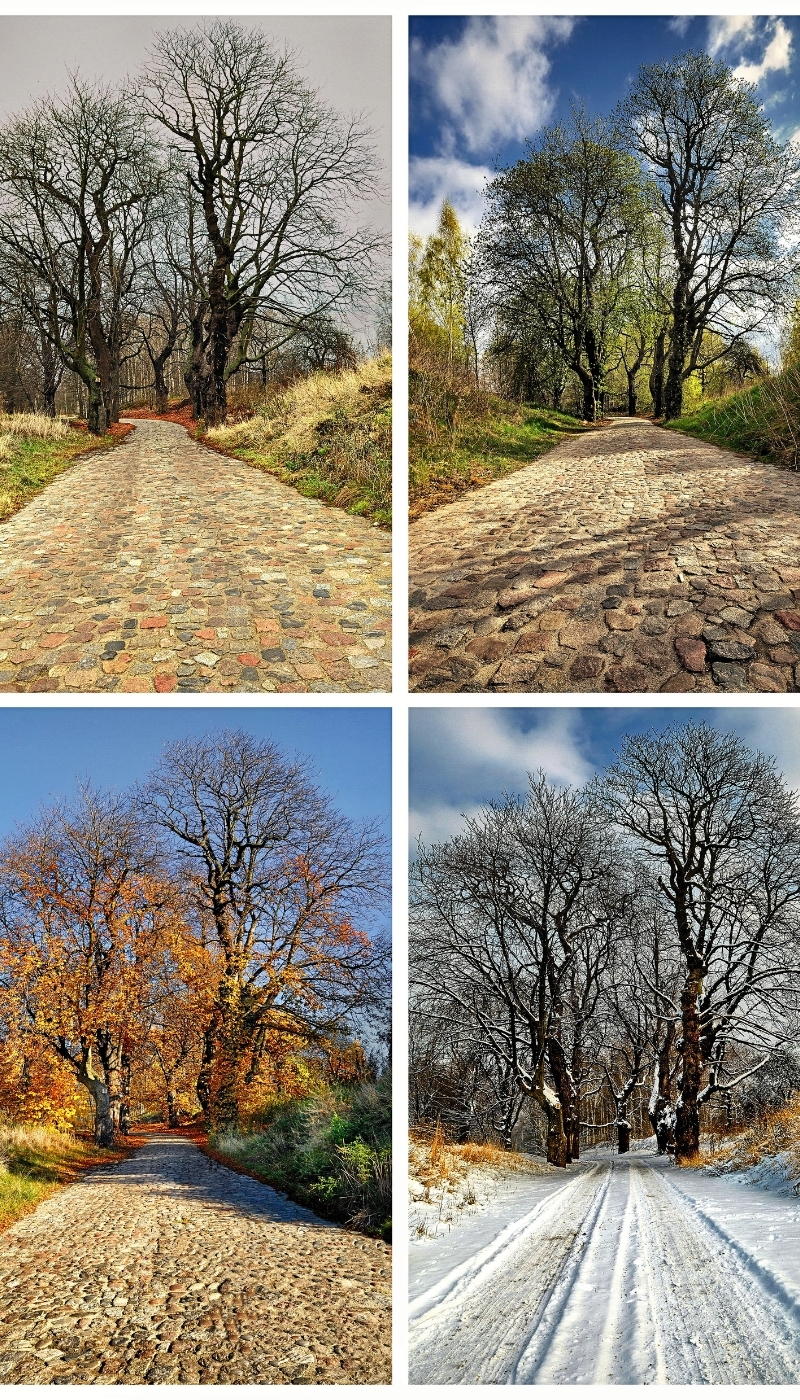
Central Connecticut’s wooded areas, shaded neighborhoods, dense undergrowth, and warm summer months create an ideal environment for ticks. These small arachnids thrive in moisture and vegetation-rich environments and are highly responsive to changes in temperature, rainfall, and humidity.
With cold winters and extended warm seasons across the region, tick activity can span much of the year. Understanding how central Connecticut’s climate and seasonal shifts influence tick behavior helps homeowners stay aware and better protect their families, pets, and outdoor spaces year-round.
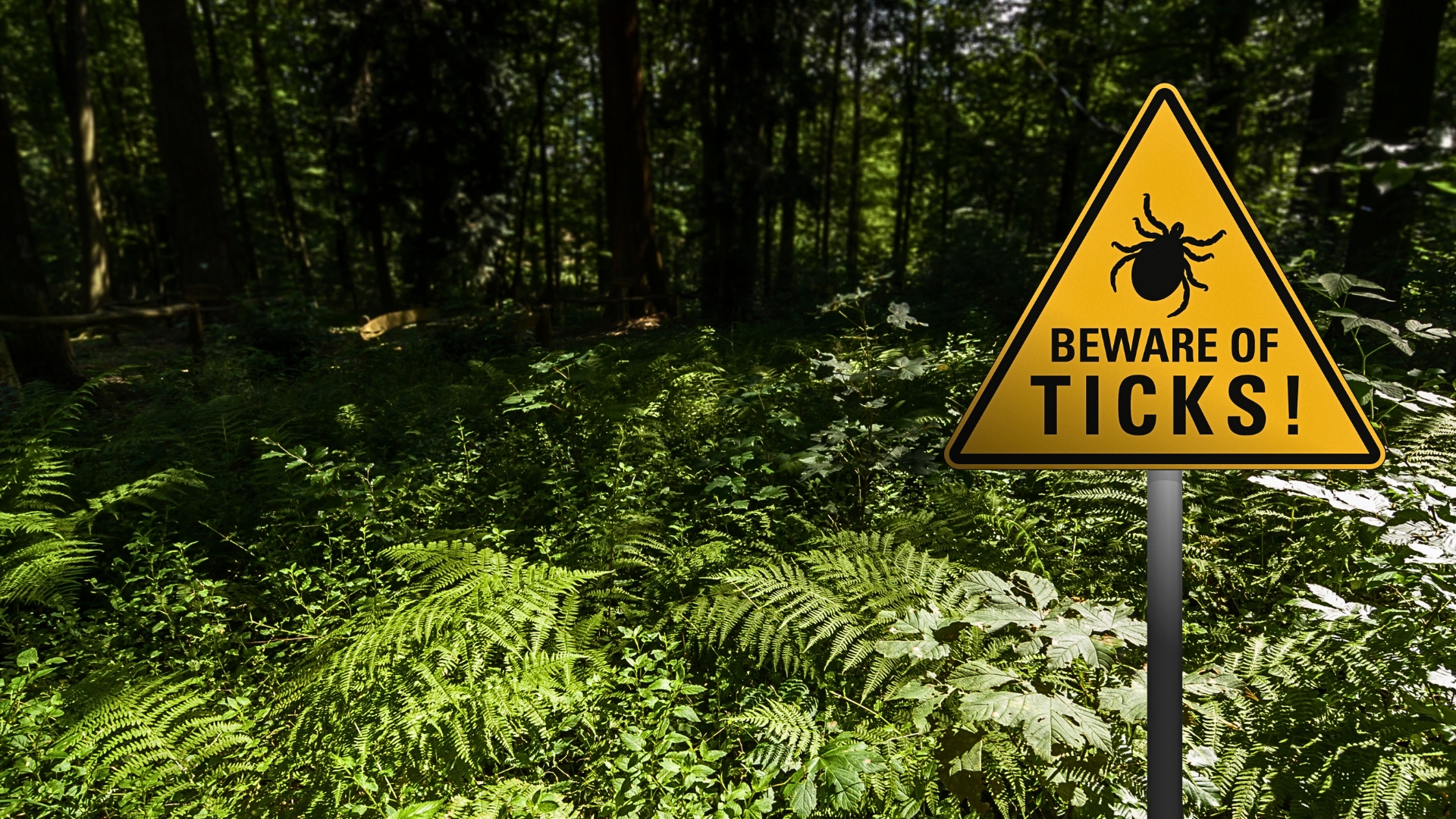
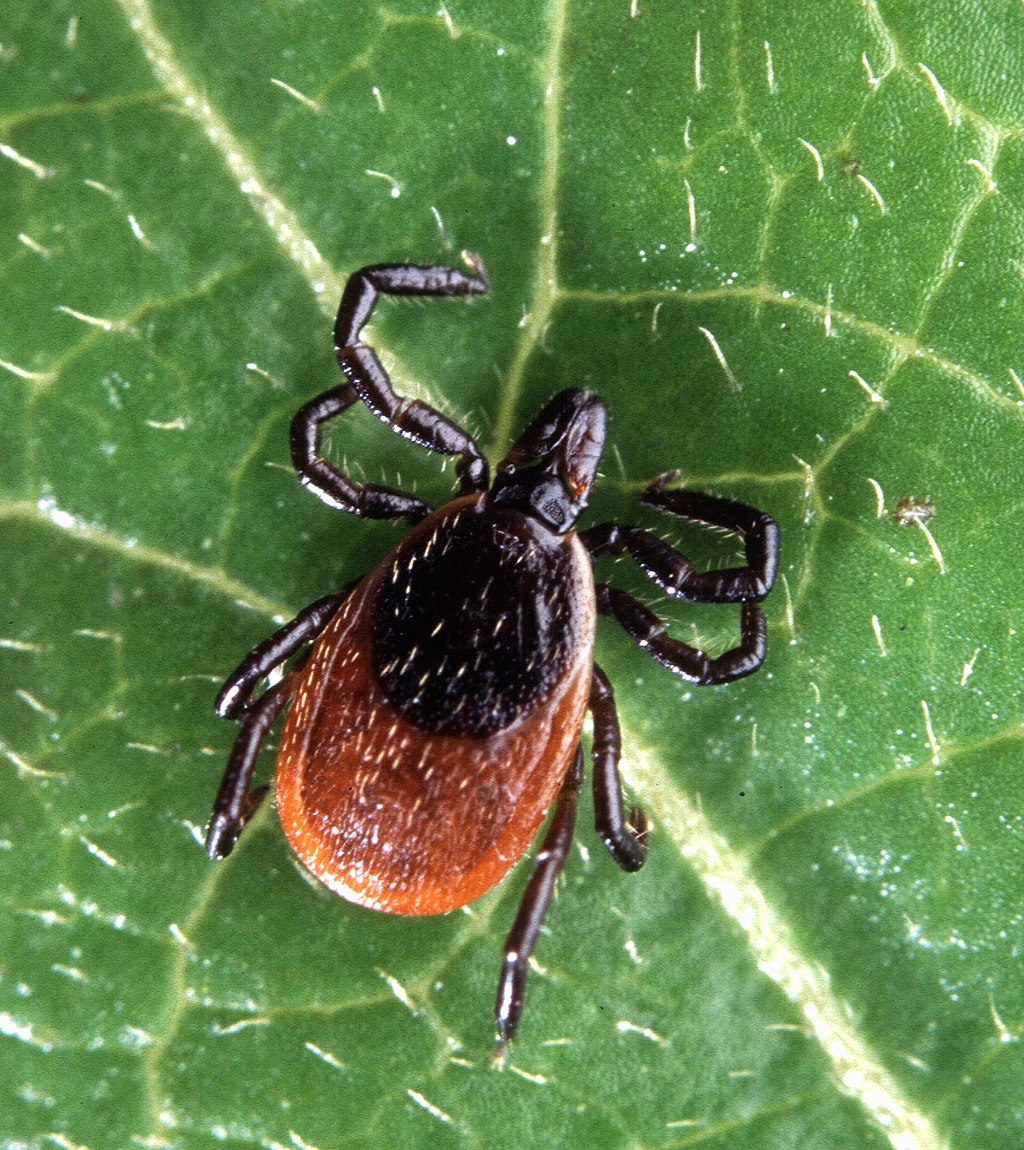
From early spring through late fall, tick activity across Connecticut intensifies—particularly among blacklegged ticks (Ixodes scapularis), the species known for transmitting Lyme disease. As temperatures rise and seasonal humidity increases, adult ticks become increasingly active in search of hosts. Areas with dense ground cover, leaf litter, shaded tree lines, and brush common throughout Hartford, Middletown, Bristol, Meriden, and surrounding communities provide ideal habitats for these pests.
Recent observations show that milder winters and seasonal rainfall patterns can extend the traditional tick season. Even brief warm spells in late winter may trigger early activity, contributing to higher population levels by late spring and summer.
Early Spring (March–May)
Ticks become increasingly active as temperatures consistently rise and moisture returns. Nymphs are especially active by mid-to-late spring and represent the stage most likely to transmit disease due to their small size and ability to go unnoticed.
Summer (June–August)
Peak activity aligns with Central Connecticut’s warm, humid summer conditions. Ticks thrive in shaded wooded areas, dense vegetation, and properties with mature landscaping. Seasonal rainfall and humidity help sustain ideal conditions for survival and reproduction.
Autumn (September–November)
Adult ticks remain active well into fall, continuing to seek hosts as long as temperatures stay moderate. Leaf accumulation, thick ground cover, and lingering warmth make fall yard maintenance important for reducing tick habitat.
Winter (December–February)
Activity slows during colder stretches, though ticks may remain active on milder winter days, especially beneath leaves, brush, or snow-insulated ground cover.