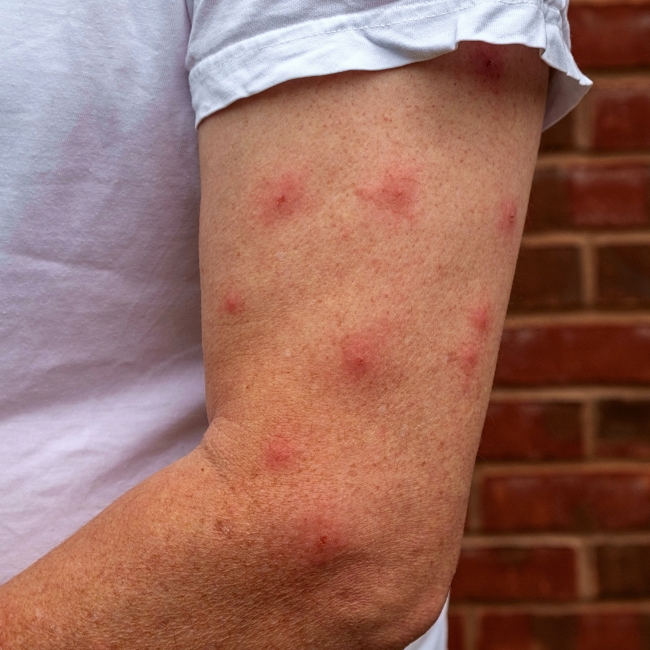
Central Connecticut’s mix of suburban neighborhoods, wooded properties, wetlands, rivers, storm drains, and shaded yards can create mosquito habitat during the warmer months. Connecticut’s mosquito trapping and testing program operates from June through October, and state officials warned in 2026 that West Nile virus had been detected in mosquitoes across Connecticut communities.
West Nile virus spreads when mosquitoes feed on infected birds and later bite people or animals. Birds and mosquitoes maintain the cycle in nature, while humans, dogs, cats, and horses can become infected after mosquito bites. Everyday contact with an infected person or pet is not the typical route of transmission.
In Central Connecticut, mosquitoes can breed in containers, gutters, birdbaths, rain barrels, stormwater areas, pool covers, plant saucers, and low spots where water remains. Even small amounts of standing water can support mosquitoes, especially during warm weather.
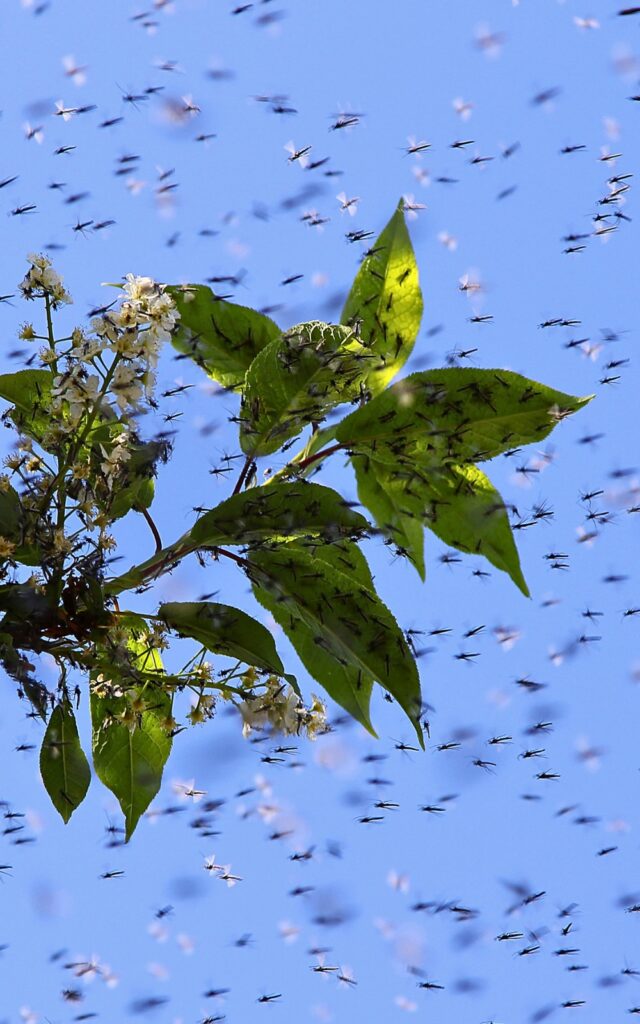
Most West Nile virus infections in people do not cause symptoms. When symptoms appear, they can include fever, headache, body aches, joint pain, vomiting, diarrhea, or rash. Severe illness is less common but can involve the central nervous system, causing meningitis, encephalitis, confusion, tremors, muscle weakness, paralysis, coma, or death. Older adults and people with certain chronic medical conditions are at higher risk for severe disease.
There is no licensed vaccine or specific medicine for West Nile virus disease in people. Mild cases are generally treated with rest, fluids, and symptom management under medical guidance. Severe cases may require hospitalization, IV fluids, respiratory support, pain control, and treatment for complications.
Dogs and cats can be infected through mosquito bites but rarely become seriously ill. Horses are more likely to experience serious West Nile virus disease, and owners should ask a veterinarian about vaccination and prevention. Sudden weakness, tremors, unsteady movement, fever, or unusual behavior in any pet should prompt veterinary attention.
For Central Connecticut residents, mosquito control around the home and bite prevention remain the most practical ways to lower West Nile virus risk.