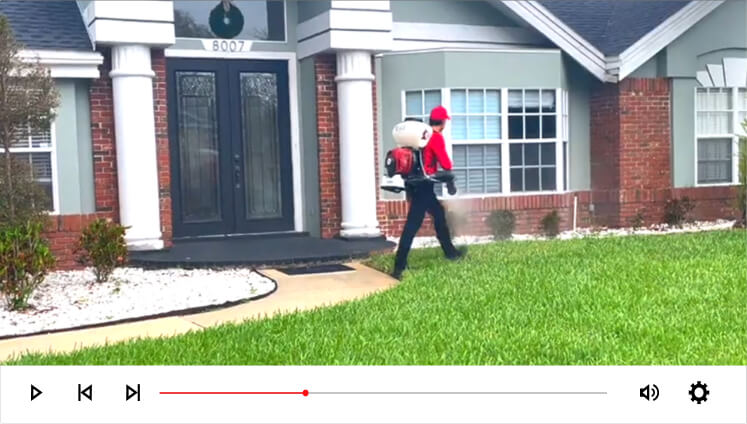
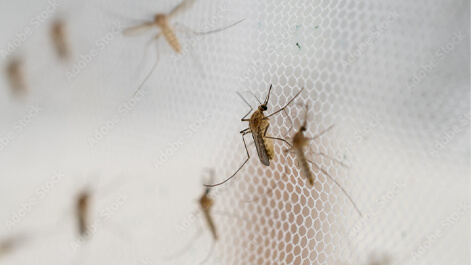
Our mosquito control services are tailored specifically for Appleton and the Fox Valley’s unique environment, offering a powerful and effective solution that has been fine-tuned over the past 20 years. Designed to handle the area’s warm, humid climate and frequent storms, our treatments not only eliminate mosquitoes on contact but also provide ongoing protection. With a focus on both immediate relief and long-term prevention, we help you enjoy your outdoor spaces without the constant nuisance of mosquitoes.
Our treatment instantly targets and eliminates mosquitoes in Appleton’s warm, mosquito-prone environment for immediate relief.
By addressing mosquito breeding hotspots commonly found in Appleton, we help reduce population growth and control future.
Our solution forms a virtual barrier specifically designed to withstand Appleton’s weather, keeping mosquitoes out and allowing you to enjoy your yard.
Our unique approach to mosquito control delivers proven, effective results you can rely on. With treatments designed for rapid impact, you’ll notice a significant reduction in mosquito activity shortly after the first application. Our method ensures your outdoor spaces become more enjoyable quickly.
Any mosquitoes living around active areas of the home will be killed on contact with our proprietary formula. We train our technicians to target these areas so we can maximize the effectiveness of the spray.

Female mosquitoes are attracted to the scents we emit. Our proprietary formula is specially created to mask them. Once our treatment has been applied, mosquitoes will avoid your property.
As treatments are performed, a vertical barrier is established which strengthens with each mosquito control service visit. This will shield your yard from pesky mosquitoes.
Experience the most comprehensive mosquito and tick control service designed for the Southern U.S. climate, helping you enjoy your outdoor spaces in Appleton without the nuisance of pests. Here’s what to expect:
Identification: Brownish mosquito with white bands on legs and abdomen.
Habitat: Abundant near floodplains, marshes, and temporary water sources from spring rains and Fox River overflow.
Behavior: Fierce biter during dusk and dawn.
Health Risks: While not a major disease vector in Wisconsin, bites can cause intense itching and allergic reactions.
Identification: Pale brown with darker abdominal bands and slightly hunched posture.
Habitat: Breeds in stagnant water—clogged gutters, birdbaths, storm drains, and containers left outside.
Behavior: Nocturnal; often bites people indoors at night.
Health Risks: Can transmit West Nile virus, especially during late summer in urban and suburban areas.
Identification: Small, dark mosquito with silvery scales on thorax and abdomen.
Habitat: Common in wooded areas; breeds in tree holes, old tires, and shaded containers.
Behavior: Aggressive daytime biter—especially in forested neighborhoods around Appleton’s northside.
Health Risks: Vector of La Crosse encephalitis, which can affect children.
Identification: Dark-bodied mosquito with paler wings and long legs; rests at a 45° angle.
Habitat: Prefers clear, slow-moving streams, ponds, and woodland pools.
Behavior: Active at dusk and dawn, often near parks and rural homes.
Health Risks: Not a current malaria risk, but bites can be a nuisance in shaded natural areas.
Key Activity: Mosquitoes begin to emerge with thawing snowmelt and spring rain.
Breeding: Standing water in flooded fields, clogged gutters, and tree holes kickstarts the season.
Common Species Active: Aedes vexans and Aedes triseriatus are early risers.
Behavior: Biting increases after rain events—especially near wooded lots and backyards.
Key Activity: Peak mosquito activity—warm temps and frequent thunderstorms fuel rapid breeding.
Breeding: Anything that holds water—kiddie pools, wheelbarrows, rain barrels—becomes a hatch site.
Common Species Active: Culex pipiens, Aedes vexans, and Anopheles punctipennis.
Behavior: Constant biting from afternoon until evening, especially after dusk.
Key Activity: Mosquito presence fades but doesn’t vanish until frost.
Breeding: Rain and leaf-clogged drains can still support small populations.
Common Species Active: Culex pipiens and Aedes triseriatus.
Behavior: Cool temps reduce activity, but warm days can bring a surprise swarm.
Key Activity: Mosquitoes go dormant, but their eggs wait patiently for spring.
Eggs: Aedes eggs survive dry and frozen in containers and natural cavities.
Adults: Some Culex adults overwinter in protected spaces like basements or sheds.
Behavior: Activity is rare but can return quickly during unseasonal warm spells.
Located in Wisconsin’s Fox Valley region, Appleton experiences four distinct seasons such as cold winters...
Appleton’s wetlands, riverbanks, wooded trails, and residential areas support several mosquito species...
Located in Wisconsin’s Fox Valley, Appleton’s mix of wooded parks, river corridors, tall grasslands, and suburban neighborhoods creates an ideal environment for ticks.