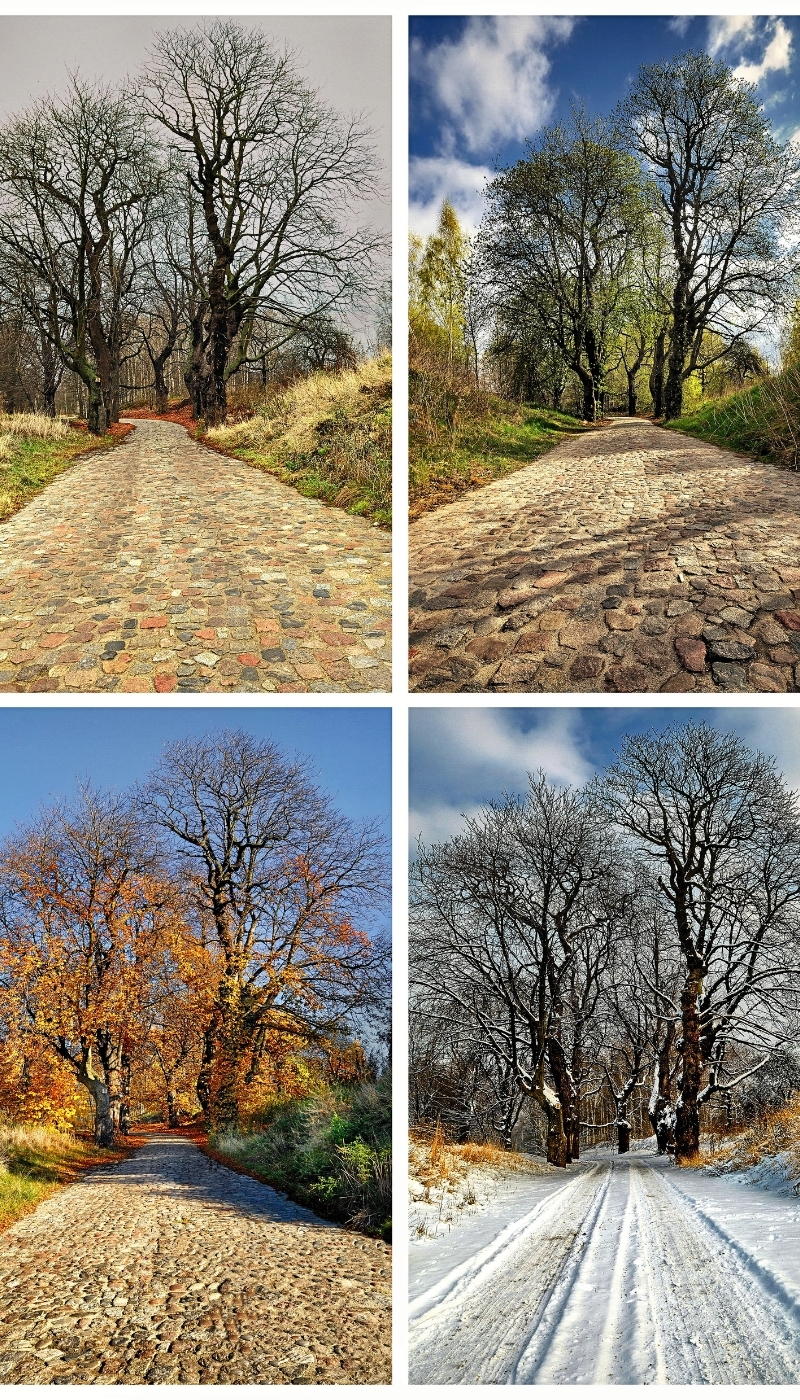
From misty spring mornings to humid summer evenings, Western Massachusetts experiences a full range of weather conditions that directly influence mosquito behavior. The region’s cool winters, heavy spring rains, and warm, moisture-filled summers create a natural ebb and flow in mosquito populations, each season bringing its own level of activity and comfort outdoors.
Mosquito season in Western Massachusetts typically begins in late April and lasts through early October. As snowmelt combines with early spring rain, low-lying areas and woodland puddles become prime breeding grounds. By earl, summer, temperatures in the 70s and 80s, paired with high humidity, provide near-perfect conditions for rapid mosquito development.
Spring (April–May)
Melting snow and spring rain create the first breeding sites of the year. Temporary pools, clogged gutters, and wet soil allow mosquito larvae to develop as soon as temperatures rise above 50°F. Aedes species, known for their resilience, are often the first to appear.
Summer (June–August)
This is peak mosquito season. Warm temperatures and regular rainfall shorten the mosquito life cycle to less than 10 days, leading to fast population growth. Evening humidity and calm winds make dusk and dawn the most active biting times.
Autumn (September–October)
Cooler nights gradually reduce mosquito activity, but warm days can sustain short bursts of feeding. After an especially rainy summer, early fall can still see moderate mosquito presence until the first frost arrives.
Winter (November–March)
Cold temperatures halt mosquito activity. However, eggs from several species survive the freeze in dormant form, ready to hatch once spring warmth returns. Mild winters can slightly extend the breeding window in low-elevation areas.