Western Massachusetts

Common Mosquito Species in Western Massachusetts

A Regional Overview

Western Massachusetts including areas such as Springfield, Northampton, Amherst, Pittsfield, and the surrounding Berkshire region is known for its mix of dense forests, wetlands, river valleys, and rural landscapes. These environments create ideal conditions for numerous mosquito species to thrive from late spring through early fall.

With a combination of wooded trails, agricultural fields, marshes, and the Connecticut River watershed, the region supports both nuisance-biting mosquitoes and species associated with disease activity in the Northeast.
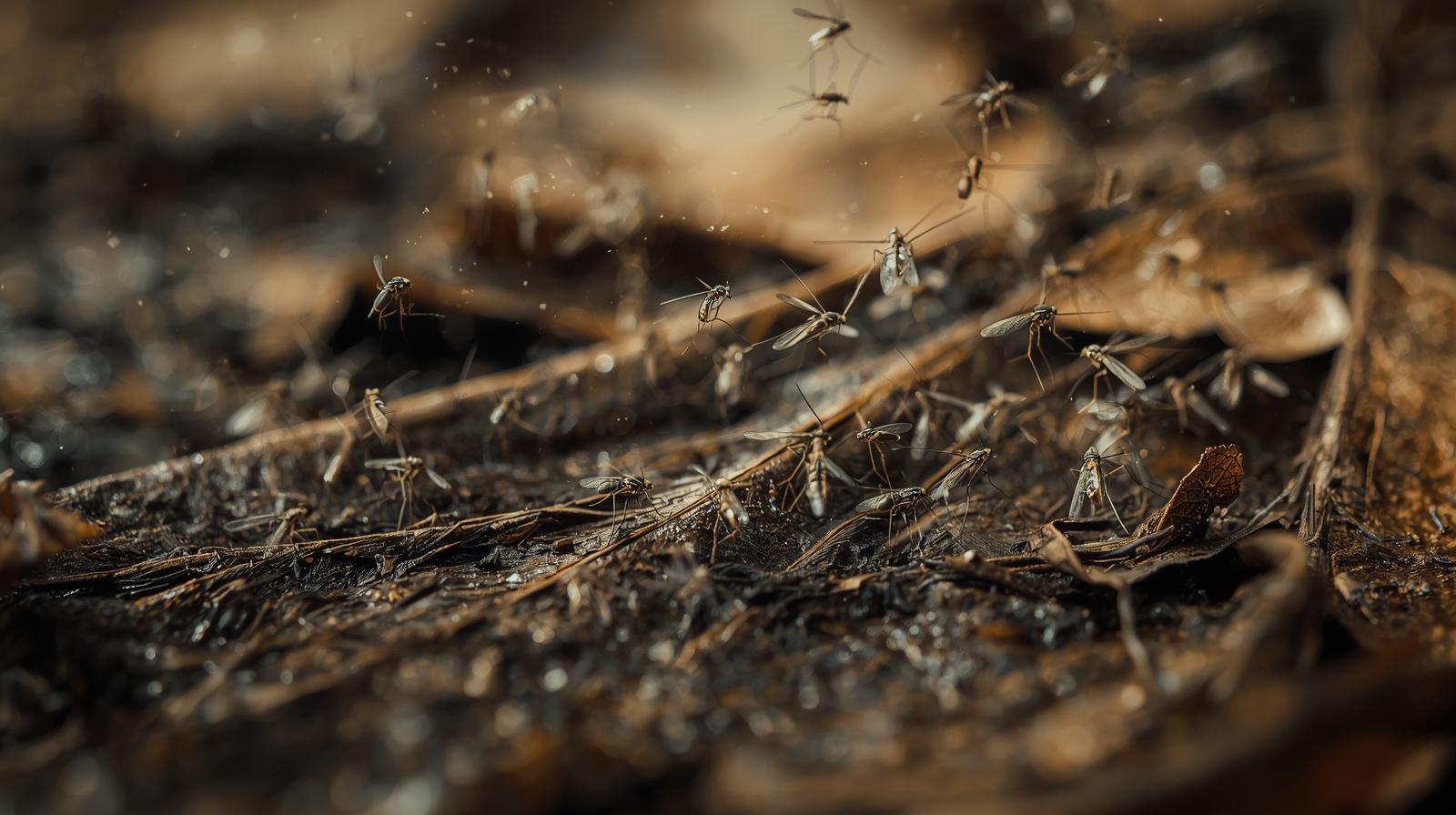
The Most Common Mosquito Species in Western Massachusetts

1. Culex pipiens
(Northern House Mosquito)

One of the most widespread mosquito species across Massachusetts, particularly in suburban and urban neighborhoods.

Key traits:

  • Breeds in stagnant water like gutters, birdbaths, storm drains, and containers.

  • Most active during evening and nighttime hours.

  • Primary vector for West Nile virus in the region.

  • Populations peak in mid-to-late summer.
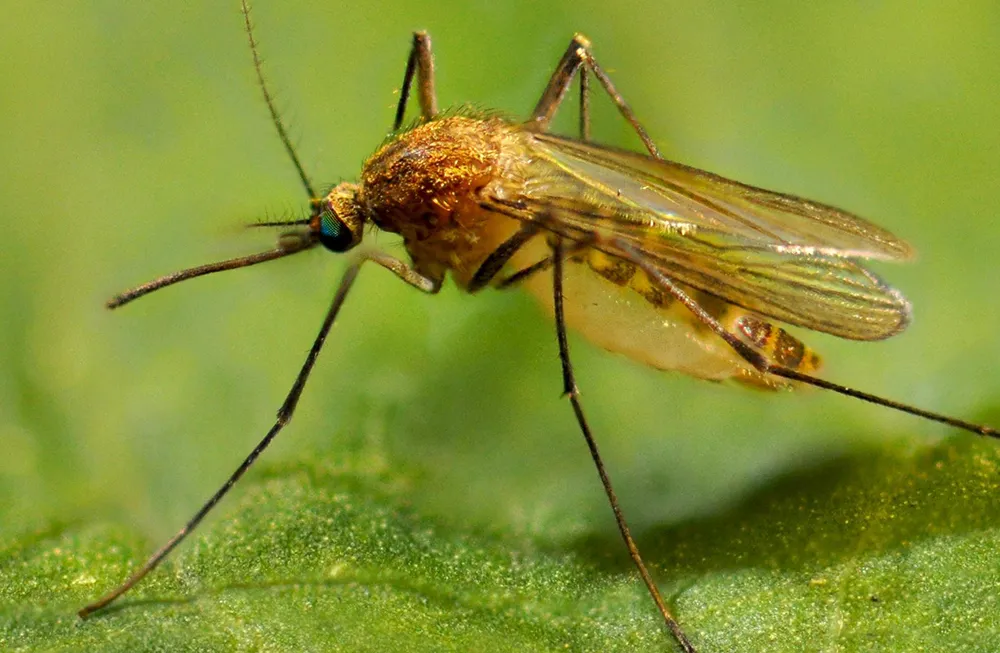
Culex pipiens (Northern House Mosquito)

2. Aedes vexans
(Floodwater Mosquito)

A highly aggressive species commonly found after periods of heavy rain or flooding — very common across the Connecticut River Valley and surrounding lowlands.

Key traits:

  • Emerges in large numbers after spring and summer rain events.

  • Daytime and dusk biter; known for aggressive biting behavior.

  • Considered a major seasonal nuisance species.

  • Does not typically transmit disease in Massachusetts.
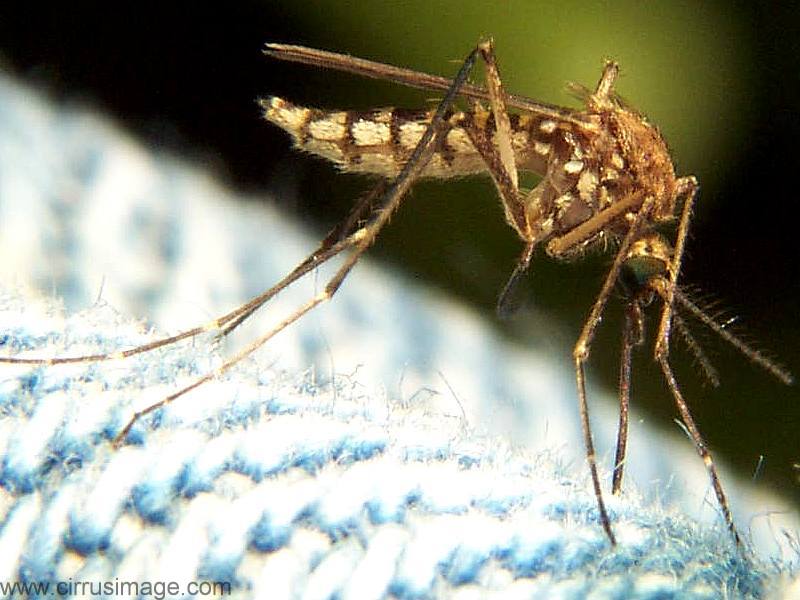
Aedes vexans (Inland Floodwater Mosquito)

3. Aedes canadensis
(Woodland Mosquito)

A dominant spring and early-summer mosquito in Western MA, especially in forested and shaded environments.

Key traits:

  • Abundant along hiking trails, forest edges, and wetland borders.

  • Active during the day, particularly in cooler, moist habitats.

  • Populations surge after snowmelt and early spring rains.

  • Strongly associated with wooded landscapes across Berkshire and Hampden counties.
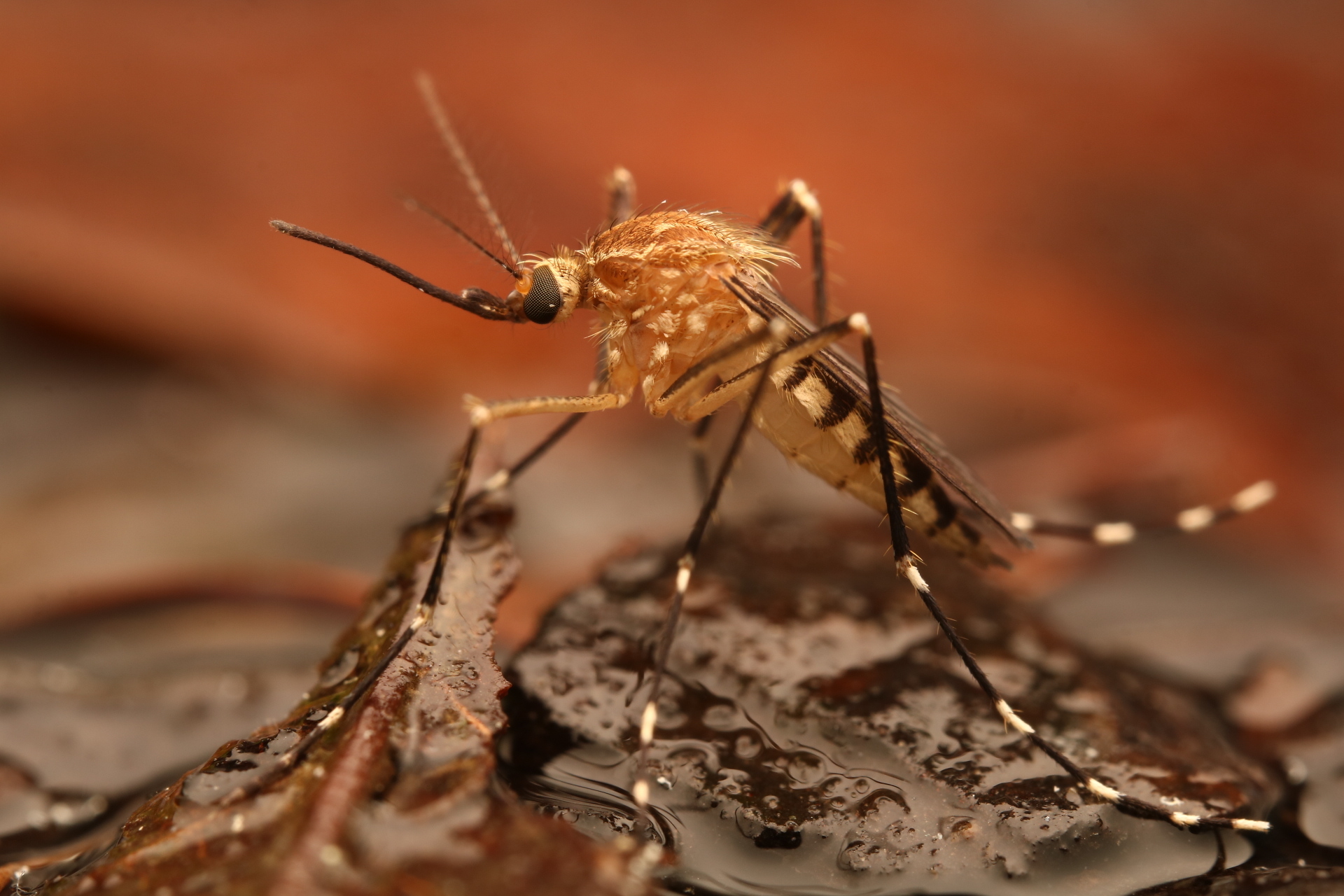
Aedes canadensis

4. Culiseta melanura

A species closely tied to wetlands and cedar swamps — often monitored for disease risk rather than nuisance biting.

Key traits:

  • Primary vector associated with Eastern Equine Encephalitis (EEE) cycles.

  • Prefers deep, shaded swamp habitats.

  • Does not commonly bite humans but plays a critical role in local virus ecology.
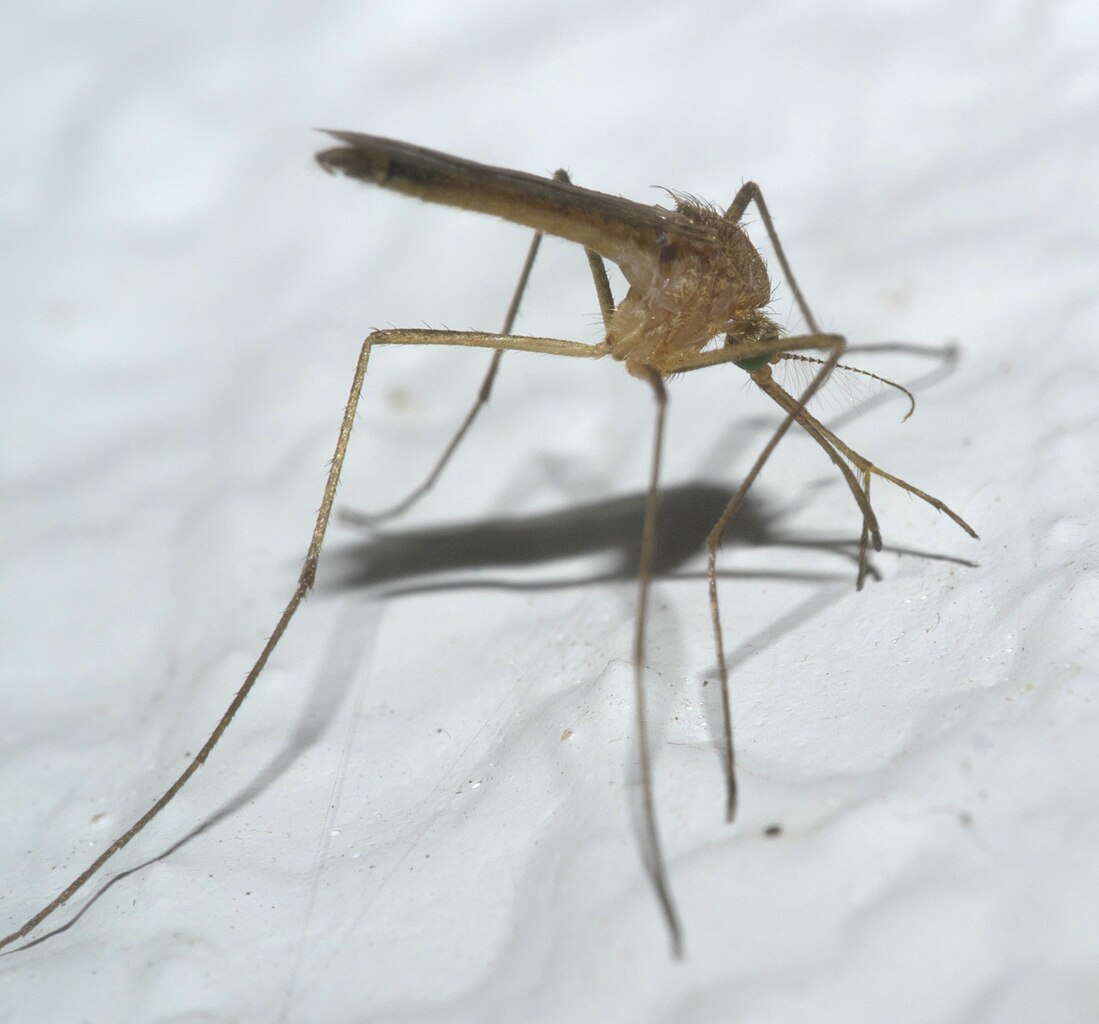
culiseta melanura

3 easy steps to backyard bliss

Win the backyard battle this year.

    1. 1

      Request Your Free Quote

      We’re out to kill mosquitoes, not your budget. We’ll be upfront about all costs, and you’ll know exactly what payments will look like before you start. Speak to one of our professionals today about getting a quote for your property.
    2. 2

      Schedule Your Service

      Once you’ve received a quote, you can move forward and begin seeing a difference with our services. Any mosquitoes in the area will be killed on contact and a barrier created to deter new mosquitoes from coming in. It takes less than 48 hours to notice a difference.
    3. 3

      Get Back Outside

      You no longer have to wonder what life would be like without mosquitoes. Go back to enjoying any and all outdoor activities without unwanted guests. Taking care of mosquitoes on your property has never been easier.

    Frequently Asked Questions

    01. What other insects will this affect?
    We use a control product so other insects present when and where we spray may be impacted.

    However, our formula was specifically engineered for mosquitoes so it won’t repel any other insects as it does mosquitoes.
    02. Will your product work after storms?
    Yes, we have specifically engineered our formula to outlast storms. With a special polymer layer that provides weather resistance, our formula will remain effective.
    03. Is there any environment you cannot treat?
    Yes, there are some areas we won’t spray to avoid the surrounding environments. Pools, natural water sources, vegetable gardens, and artificial water sources complete the list.

    Because water could easily spread the insecticides, we never directly apply our product to it. However, the rest of the property can still be sprayed and it will drastically reduce the population of mosquitoes.
    04. Does this product work on all mosquitoes and ticks ?
    Yes, we target aspects of mosquitoes and ticks that don’t change from species to species.

    The killing and repelling aspects of our product will work on any species of mosquitoes and ticks .
    05. What about my children and pets?
    Pets and children should be inside during each application. However, they can re-enter the property once the product has dried, roughly 10-15 minutes. At that point, there are no restrictions until the next application.
    06. When can I start to see the effects?
    Every yard is different but you should notice a dramatic reduction within 24-48 hours of the initial spray.

    With each subsequent treatment, the results continue to improve, allowing you to enjoy time outside without being chased in by swarms of mosquitoes.
    07. Why do we see more mosquitoes after it has rained?
    Mosquitoes are more abundant after it rains because standing water is where they breed.

    Adult, female mosquitoes will lay their eggs in water. Once fully submerged, the countdown begins and the eggs can hatch in as little as a few days.

    Shield Your Yard Now