Find a Location Near You:

Professional Tick Control for Your Yard

Tick Control Focused Where Exposure Happens

Ticks are not distributed evenly across a yard. They often concentrate along wooded borders, leaf litter, tall vegetation, stone walls, shaded ground cover, and areas used by wildlife or pets. A trained technician inspects those zones and applies targeted treatment where tick activity is more likely.

Yard treatment can reduce tick activity, but it cannot remove every tick or prevent every bite. Learn more about where ticks hide and how to reduce tick habitat.

  • Inspect and Map Tick Pressure Zones

    The technician evaluates lawn edges, brush, leaf litter, stone walls, pet-use areas, and other conditions associated with tick activity.

  • tick kids sitting on grass

    Apply Targeted Exterior Treatment

    Tick-specific application focuses on selected areas where ticks are more likely to live, move, or be carried through the property.

  • Maintain Seasonal Tick Control

    Recurring service helps maintain control as vegetation, wildlife activity, weather, and seasonal tick pressure change.

Where Ticks Hide Around the Yard

Tick pressure often clusters where shade, moisture, vegetation, and host activity overlap. These zones deserve the closest inspection and most targeted treatment:

Common tick pressure areas include:
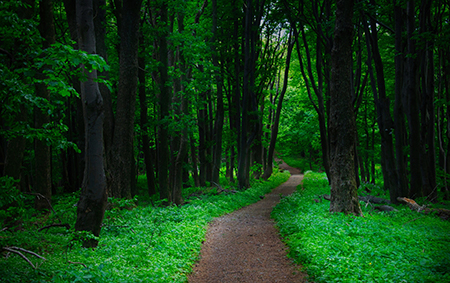
  • Wooded Areas in knoxville

    Wooded Edges

    Shaded borders with leaf litter and ground cover can hold moisture and support tick activity near the edge of the lawn.
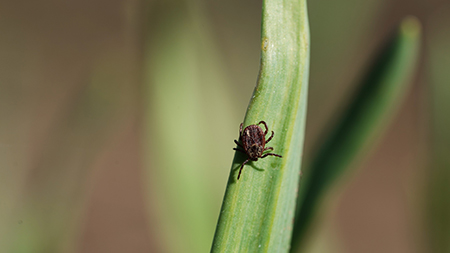
  • tick on a tall grass in knoxville

    Tall Grass and Brush

    Dense vegetation provides protected pathways where ticks may wait for people, pets, or wildlife to pass.
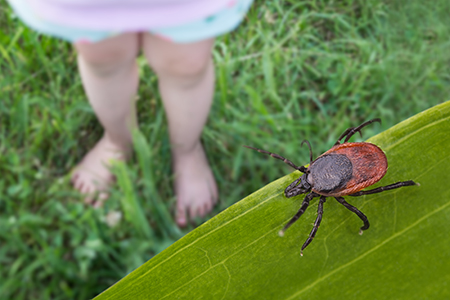
  • tick on a leaf with a kids feet below

    Stone Walls and Woodpiles

    These protected structures can shelter rodents and other hosts that carry ticks into residential yards.
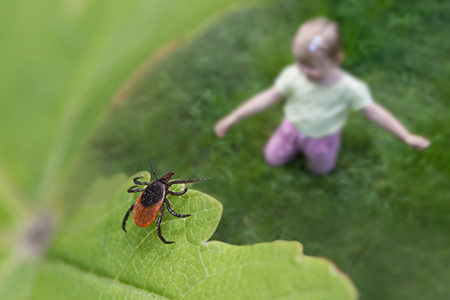
  • a tick on a leaf with a child sitting below in knoxville

    Pet and Wildlife Routes

    Fence lines, trails, shaded resting areas, and frequently used pet zones can experience repeated tick reintroduction.

Tick Shield Can Also Target Outdoor Fleas

Tick Shield is designed for exterior tick pressure and can also target fleas in treated outdoor areas. It does not replace veterinarian-recommended protection for pets or indoor flea cleanup when activity has moved inside the home. Explore the Flea Control guide for the full pet, home, and yard approach.

What to Expect From Tick & Flea Control Service

  • Property-specific inspection: A trained technician identifies likely tick zones based on vegetation, shade, moisture, wildlife, and how the yard is used.
  • Targeted exterior application: Treatment focuses on selected borders, vegetation, pet-use areas, and other likely pressure zones.
  • Recurring service: Your local team determines timing based on region, season, property conditions, and tick activity rather than promising one universal schedule.
  • Realistic results: Activity may decline after the first visit or over multiple treatments. Results vary, and wildlife or pets can reintroduce ticks between visits.
  • Weather-aware treatment: Technicians may adjust service timing or focus based on rainfall and site conditions.
  • During and after treatment: Keep people and pets away during application and follow the technician’s instructions for re-entry after the treatment has dried.
  • 7-day money-back guarantee: If you are unhappy after the first visit, contact the local team within seven days to review the guarantee.

Find a Mosquito Shield
Location Near You Today!

Frequently Asked Questions About Tick Control

Why is tick control important?
Ticks can carry disease-causing pathogens and may be brought into yards by wildlife, pets, and people. Professional control can reduce tick activity in targeted outdoor zones, but it should be combined with routine tick checks, EPA-registered repellent used as directed, and veterinarian-recommended pet protection.
How does your tick control service work?
A trained technician inspects the property and uses tick-specific spray techniques in selected exterior zones where ticks are more likely to occur. Recurring visits help maintain control as conditions and seasonal pressure change.
How long does it take for the treatment to work?
Some homeowners notice reduced activity after the first visit, while others see improvement over multiple treatments. Timing depends on tick pressure, property conditions, weather, wildlife activity, and service consistency.
What about my children and pets?
Keep children and pets away from the treatment area during application. Follow the technician's instructions and the product label for re-entry after treated surfaces have dried. Continue veterinarian-recommended tick prevention for pets.
How often do you need to apply the tick control treatment?
Tick service is recurring, but the right schedule varies by region, season, property conditions, and local tick pressure. Your local Mosquito Shield team can explain the program available in your area.
What areas of my yard are most susceptible to ticks?
Ticks are commonly associated with wooded or brushy lawn edges, tall grass, leaf litter, shaded ground cover, stone walls, woodpiles, and places used by wildlife or rodents. Pressure varies by tick species, region, season, and property conditions.
How can I prevent ticks from coming back?
You cannot prevent every tick from entering a yard, but you can reduce habitat and exposure opportunities. Remove leaf litter, mow regularly, clear tall grass and brush, stack wood neatly in a dry location, keep play areas away from wooded borders when practical, check people and pets after outdoor activity, and maintain recurring professional service where appropriate.
Call 888-341-3246
Shield Your Yard Now