Northeast NJ

Most Common Mosquito Species in Northeast New Jersey

A Regional Overview

Northeast New Jersey including areas such as Bergen, Essex, Hudson, Passaic, and Union counties experiences consistent mosquito activity due to its dense suburban and urban landscapes, proximity to wetlands and waterways, and humid seasonal climate. Mosquito populations typically emerge in late spring and remain active through early fall, with peak activity during warm, humid summer months.

The region’s mix of residential neighborhoods, parks, stormwater systems, and green spaces creates ideal environments for multiple mosquito species.
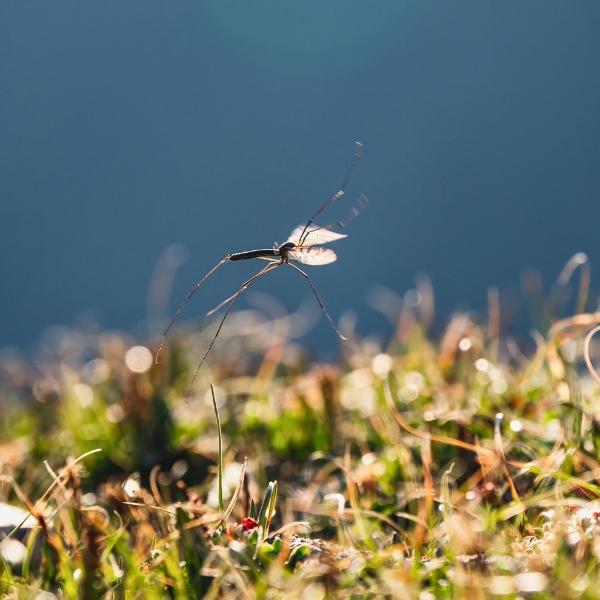
Mosquito flying above grass close up image

The Most Common Mosquito Species in Northeast New Jersey

1. Aedes albopictus (Asian Tiger Mosquito)

One of the most noticeable and aggressive mosquito species in Northeast New Jersey.

Key traits:
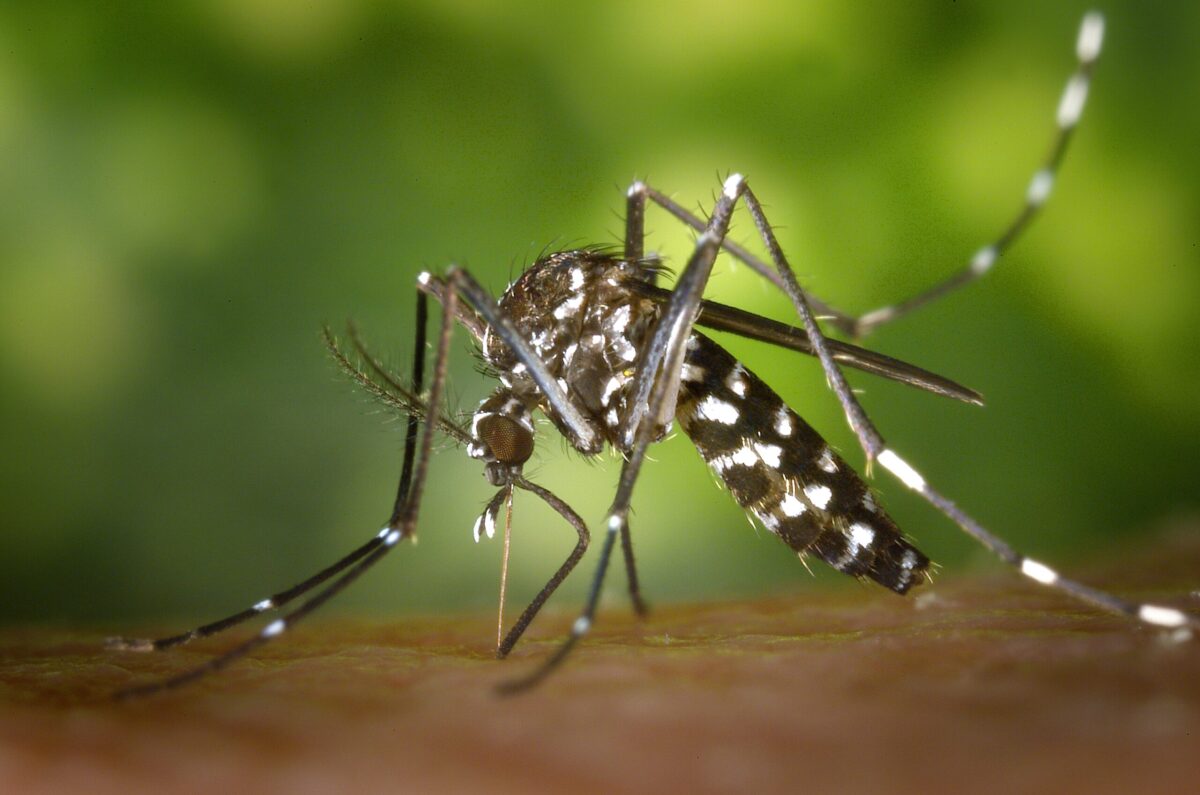
  • Active during the day, especially morning and late afternoon 
  • Thrives in small containers such as buckets, planters, and gutters 
  • Highly adapted to urban and suburban environments 
  • Known for persistent biting behavior 
  • Frequently encountered near homes, patios, and sidewalks
Aedes albopictus (Asian Tiger Mosquito)

2. Culex pipiens (Northern House Mosquito)

One of the most widespread mosquito species across northern New Jersey.

Key traits:
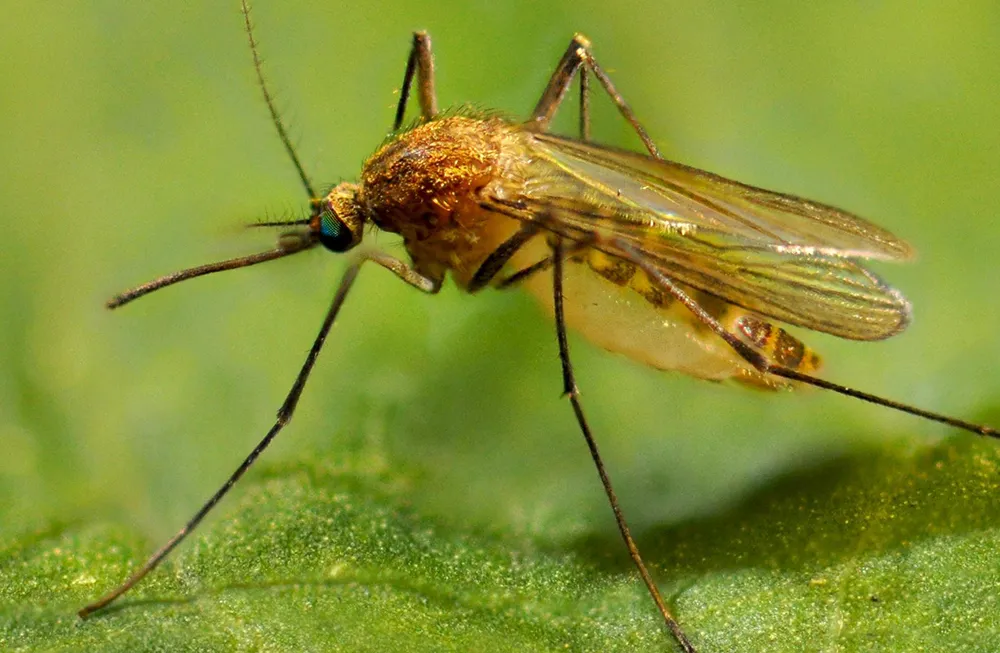
  • Most active during dusk and nighttime hours 
  • Breeds in standing water such as storm drains and catch basins 
  • Common in residential and urban neighborhoods 
  • Often rests in shaded areas near buildings and vegetation
Culex pipiens (Northern House Mosquito)

3. Aedes vexans (Inland Floodwater Mosquito)

A common mosquito following heavy rainfall.

Key traits:
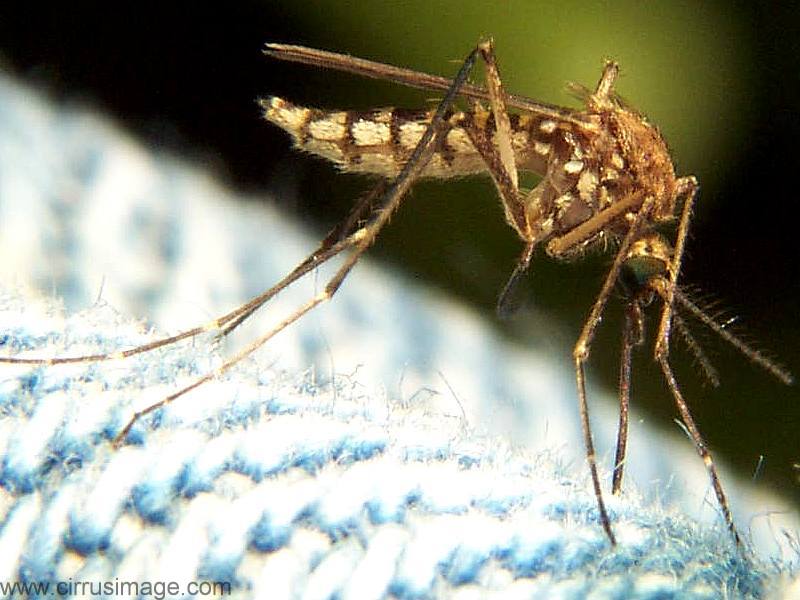
  • Eggs hatch after flooding or significant rain events 
  • Produces sudden population surges 
  • Strong and aggressive biter 
  • Common near low-lying areas, fields, and flood-prone zones 
  • Activity often spikes after storms 
Aedes vexans (Inland Floodwater Mosquito)

3 easy steps to backyard bliss

Win the backyard battle this year.

    1. 1

      Request Your Free Quote

      We’re out to kill mosquitoes, not your budget. We’ll be upfront about all costs, and you’ll know exactly what payments will look like before you start. Speak to one of our professionals today about getting a quote for your property.
    2. 2

      Schedule Your Service

      Once you’ve received a quote, you can move forward and begin seeing a difference with our services. Any mosquitoes in the area will be killed on contact and a barrier created to deter new mosquitoes from coming in. It takes less than 48 hours to notice a difference.
    3. 3

      Get Back Outside

      You no longer have to wonder what life would be like without mosquitoes. Go back to enjoying any and all outdoor activities without unwanted guests. Taking care of mosquitoes on your property has never been easier.

    Why Mosquito Species Thrive in Northeast New Jersey

    Several regional factors support mosquito populations throughout the area:

    • High humidity and warm summer temperatures 
    • Frequent rainfall creating temporary breeding sites 
    • Storm drains, catch basins, and retention areas common in urban settings 
    • Suburban yards and container habitats 
    • Parks, rivers, and wetlands that retain moisture 

    These conditions allow a variety of mosquito species to establish and persist each season.
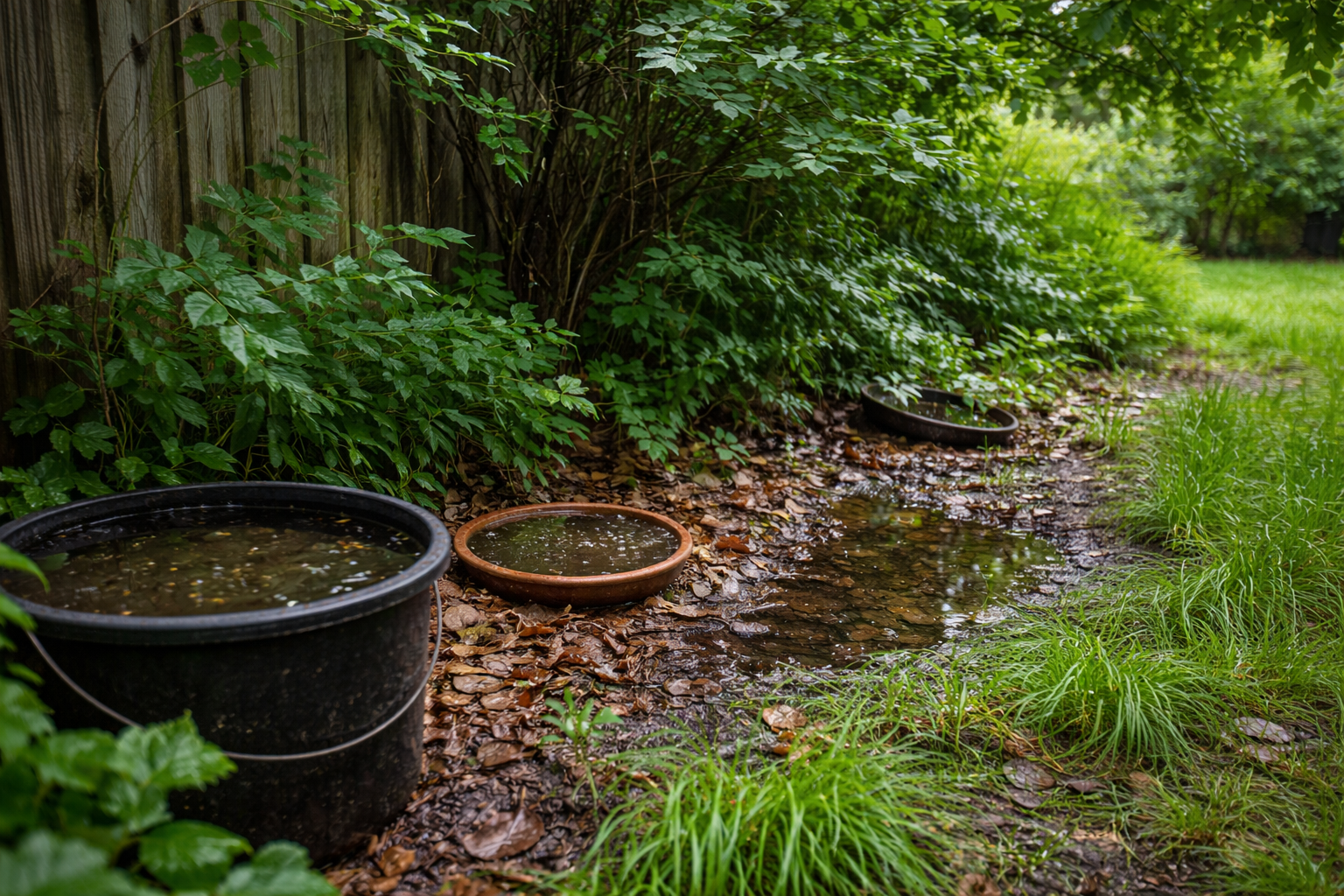
    Backyard with pots full of water attract mosquitos

    Frequently Asked Questions

    01. What other insects will this affect?
    We use a control product so other insects present when and where we spray may be impacted.

    However, our formula was specifically engineered for mosquitoes so it won’t repel any other insects as it does mosquitoes.
    02. Will your product work after storms?
    Yes, we have specifically engineered our formula to outlast storms. With a special polymer layer that provides weather resistance, our formula will remain effective.
    03. Is there any environment you cannot treat?
    Yes, there are some areas we won’t spray to avoid the surrounding environments. Pools, natural water sources, vegetable gardens, and artificial water sources complete the list.

    Because water could easily spread the insecticides, we never directly apply our product to it. However, the rest of the property can still be sprayed and it will drastically reduce the population of mosquitoes.
    04. Does this product work on all mosquitoes and ticks ?
    Yes, we target aspects of mosquitoes and ticks that don’t change from species to species.

    The killing and repelling aspects of our product will work on any species of mosquitoes and ticks .
    05. What about my children and pets?
    Pets and children should be inside during each application. However, they can re-enter the property once the product has dried, roughly 10-15 minutes. At that point, there are no restrictions until the next application.
    06. When can I start to see the effects?
    Every yard is different but you should notice a dramatic reduction within 24-48 hours of the initial spray.

    With each subsequent treatment, the results continue to improve, allowing you to enjoy time outside without being chased in by swarms of mosquitoes.
    07. Why do we see more mosquitoes after it has rained?
    Mosquitoes are more abundant after it rains because standing water is where they breed.

    Adult, female mosquitoes will lay their eggs in water. Once fully submerged, the countdown begins and the eggs can hatch in as little as a few days.

    Shield Your Yard Now