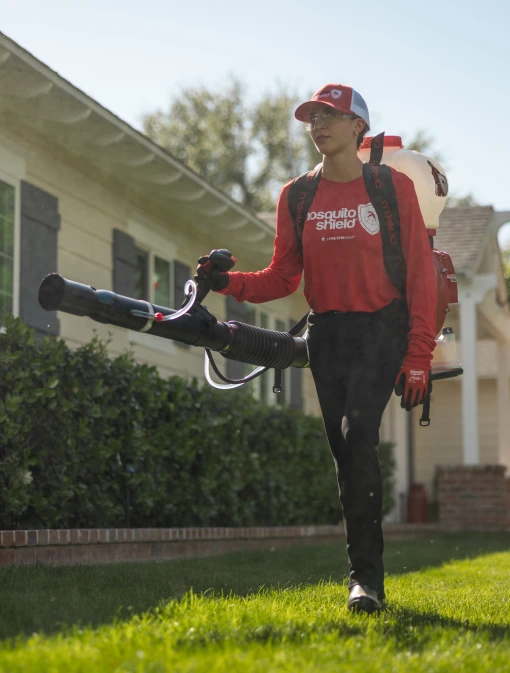
Experience relaxation and peace in your Vinings backyard with our proven mosquito control solution. Trusted by families in Vinings, our innovative approach not only repels mosquitoes but also establishes a durable barrier customized to your outdoor environment. Mosquito Shield of North Atlanta is dedicated to creating mosquito-free zones, so you can enjoy your outdoor spaces without interruption.
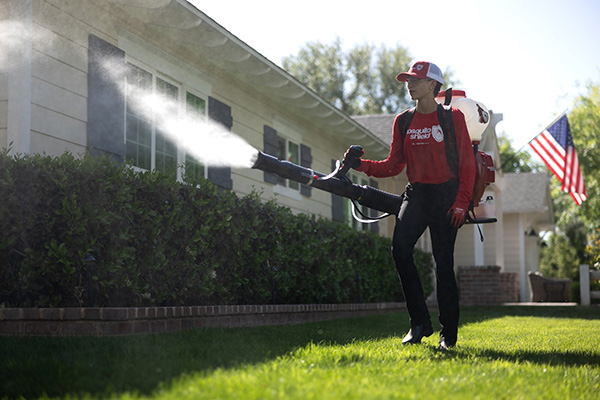
Effective mosquito control in Vinings, GA, that drives mosquitoes away and keeps them out of your yard.

Long-Lasting Protection
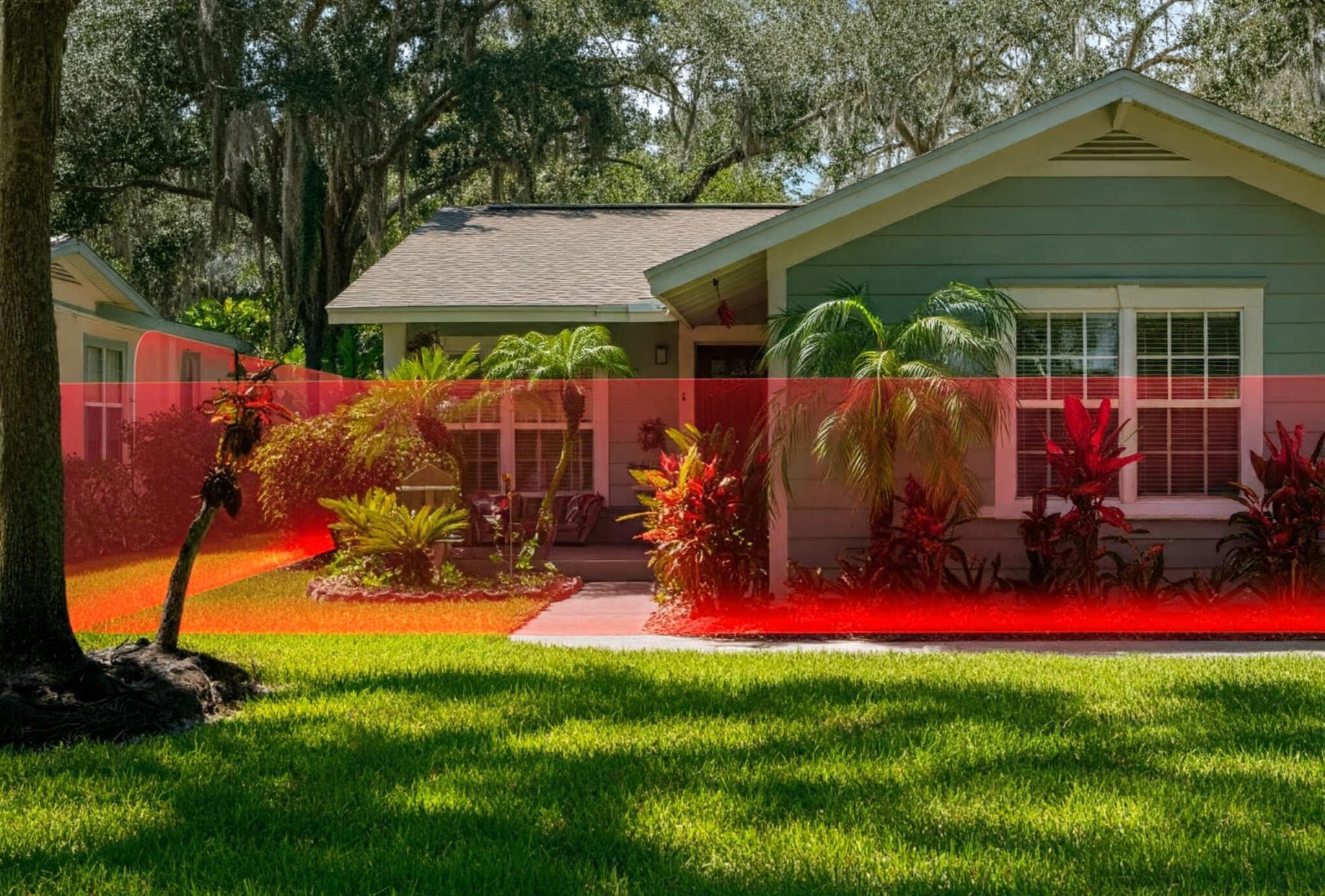
Highly rated mosquito control services in Vinings, trusted by residents to enhance outdoor living.


Vinings is a charming community located in Cobb County, known for its unique blend of suburban tranquility and urban convenience. With its proximity to Atlanta and its vibrant local culture, Vinings offers an exceptional lifestyle for its residents. Key highlights include:
Vinings’ natural beauty and close-knit community make it an ideal place to live—and a prime location for mosquitoes and ticks.
Vinings’ lush environment and seasonal weather patterns create ideal conditions for mosquitoes and ticks to thrive. Common challenges faced by residents include:

Mosquitoes and ticks are more than just an annoyance; they also pose significant health risks. These include:
To reduce mosquito and tick populations, Vinings residents often combine personal and professional strategies:
Utilizing professional mosquito and tick treatments for reliable and consistent control.

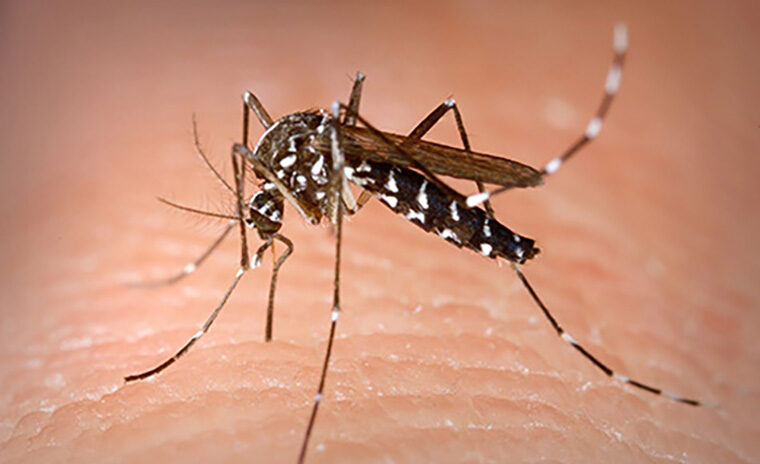
Identification: Small, black mosquito with white leg stripes and a lyre-shaped pattern on its thorax.
Habitat: Thrives in urban and suburban areas of North Atlanta especially in neighborhoods with standing water in planters, birdbaths, or clogged gutters.
Behavior: Aggressive daytime biter; prefers feeding on humans.
Health Risks: Capable of transmitting Zika virus, dengue fever, and chikungunya.
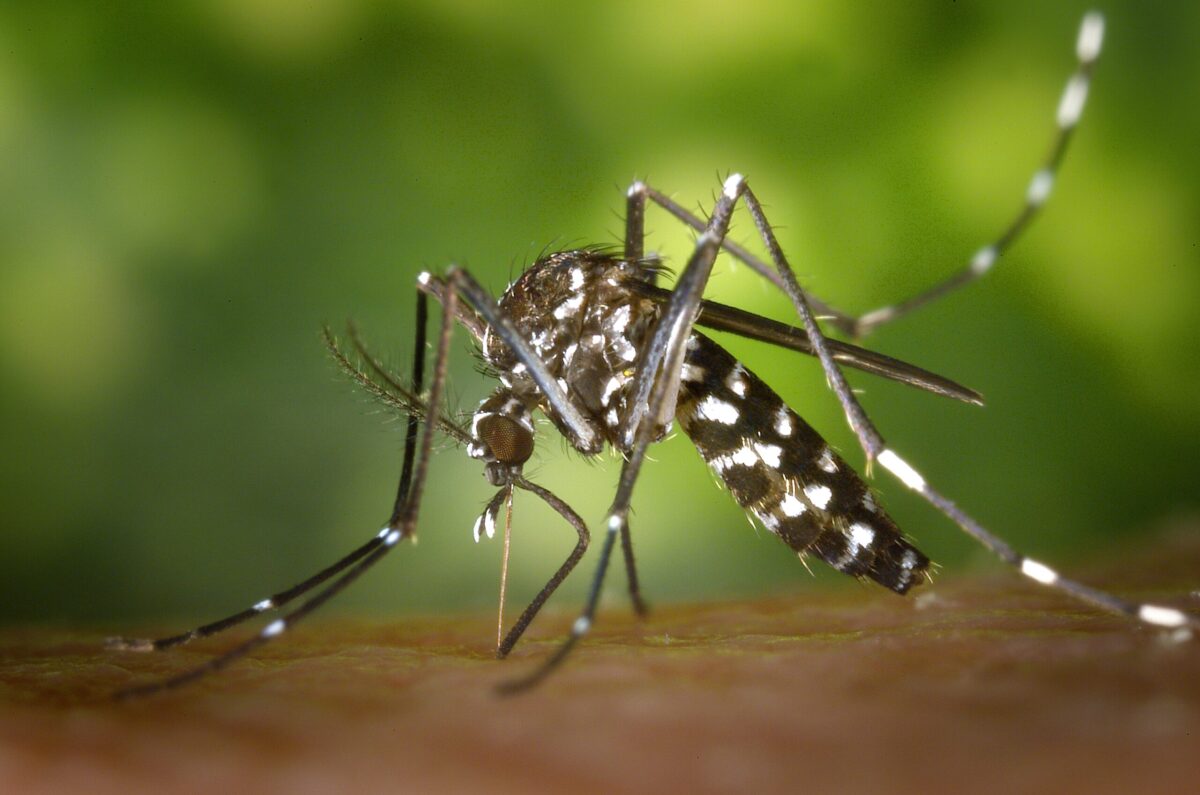
Identification: Black with a distinct white stripe down the back and banded legs.
Habitat: Common in shaded backyards, near creeks, or wooded edges of local parks like Chastain Park or along the Chattahoochee River trails.
Behavior: Bites during the day, especially around the ankles and legs.
Health Risks: Known carrier of West Nile virus, dengue, and Zika.
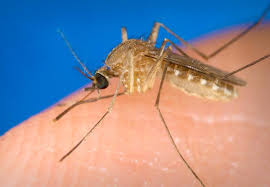
Identification: Light brown mosquito with darker stripes across the abdomen.
Habitat: Found in stagnant water sources—storm drains, neglected fountains, or low-lying yard areas after heavy rain.
Behavior: Active from dusk through night; often enters homes in North Atlanta’s denser residential pockets.
Health Risks: Primary vector of West Nile virus in the region.
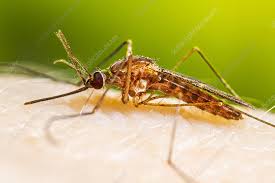
Identification: Medium-sized mosquito with four dark spots on each wing; rests at a 45° angle.
Habitat: Prefers clean, slow-moving water like retention ponds or calm tributaries around Peachtree Creek.
Behavior: Active around dawn and dusk.
Health Risks: Once a malaria vector; still responsible for itchy, persistent bites in semi-rural zones.
Key Activity: Mosquito season kicks off with spring rain and rising temps.
Breeding: Pollen-clogged gutters, overwatered lawns, and yard waste bins trap standing water.
Common Species Active: Aedes aegypti and Culex quinquefasciatus begin emerging.
Behavior: Biting starts in early mornings and evenings, particularly near shaded patios and greenbelt trails.

Key Activity: Peak mosquito season—hot, muggy conditions dominate.
Breeding: Standing water builds up fast around AC drip lines, pool covers, or kids' toys left outside.
Common Species Active: Aedes albopictus, Aedes aegypti, and Culex quinquefasciatus are all highly active.
Behavior: Expect all-day biting in areas like Brookhaven, Sandy Springs, and along the I-285 corridor.
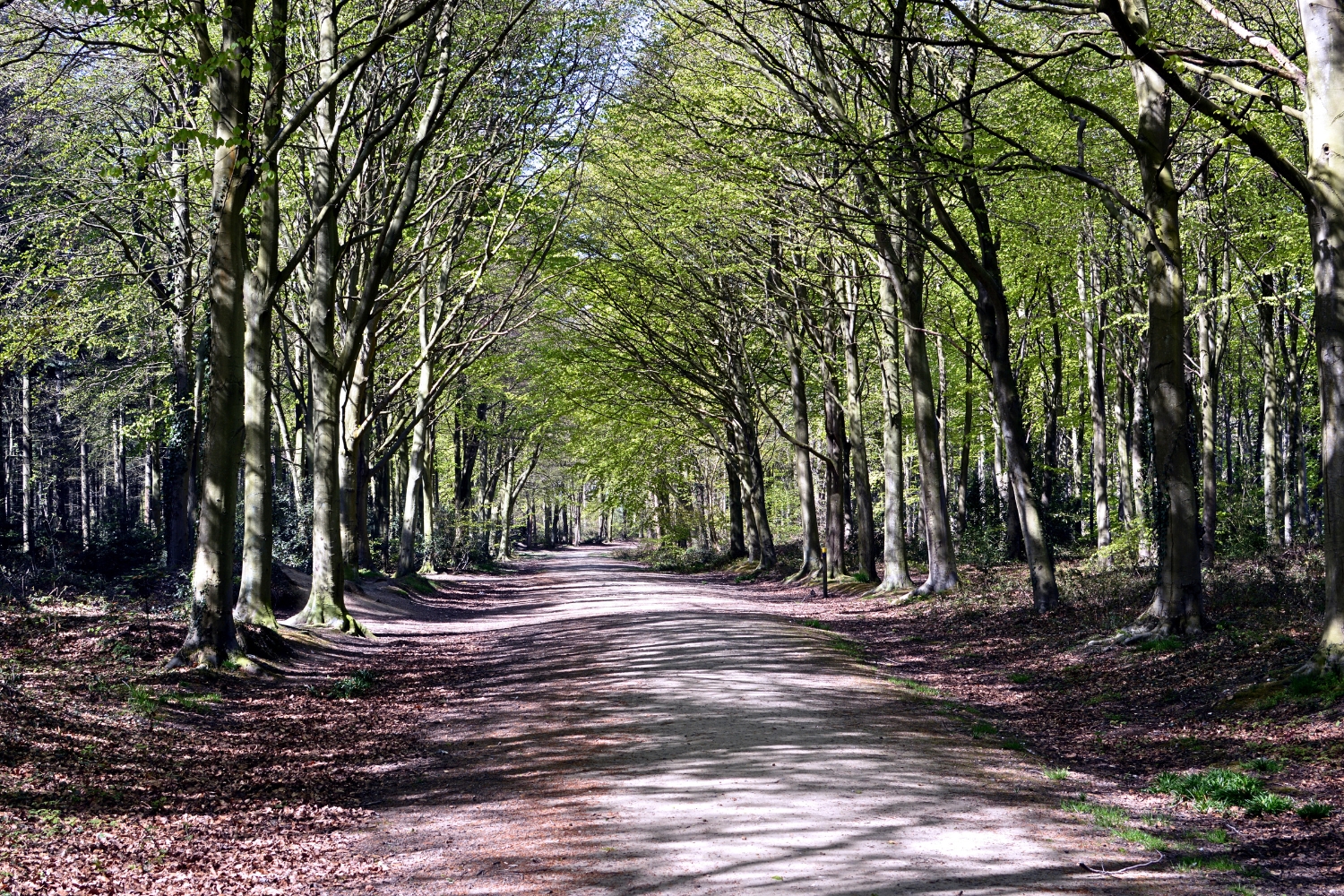
Key Activity: Mosquito activity declines but doesn’t disappear until first cold snap.
Breeding: Rain and falling leaves keep gutters and low points damp.
Common Species Active: Culex and Aedes species still linger.
Behavior: Warm fall afternoons can still bring biting pressure in wooded or shaded spots.

Key Activity: Cold slows mosquitoes, but activity doesn’t drop to zero.
Eggs: Aedes eggs survive dry spells and hatch come spring rains.
Adults: Culex adults may overwinter in sheds, basements, or crawlspaces.
Behavior: After a warm February rain, expect a brief mosquito resurgence.