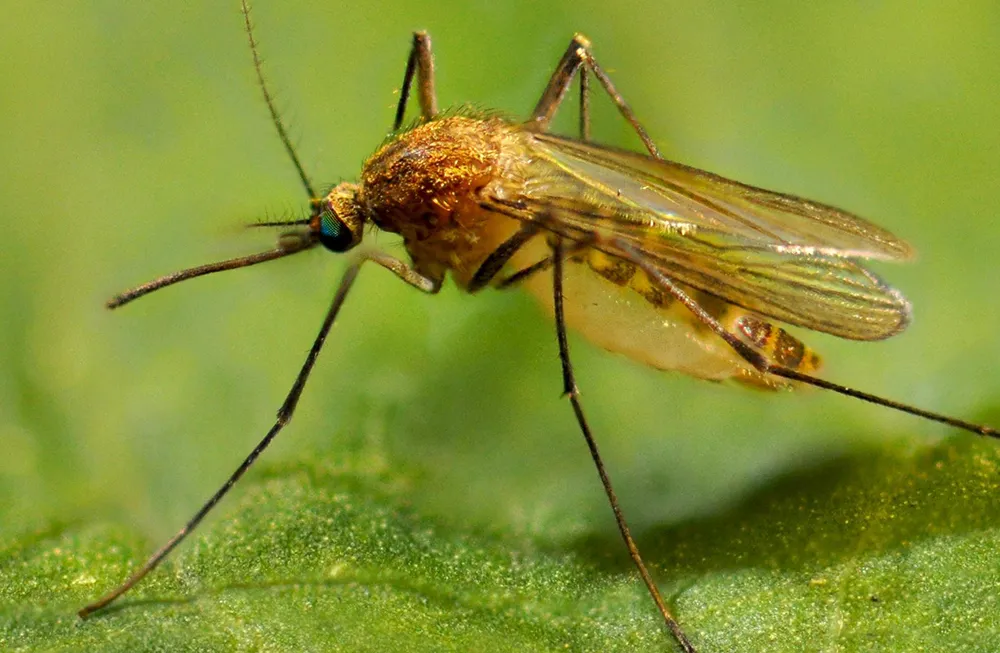
Memphis’ warm climate, high humidity, and expansive river systems create ideal conditions for several mosquito species to thrive. From the Mississippi River basin to the Wolf River wetlands and the city’s dense residential areas, mosquitoes remain active from early spring through late fall, peaking during hot, humid summer months.
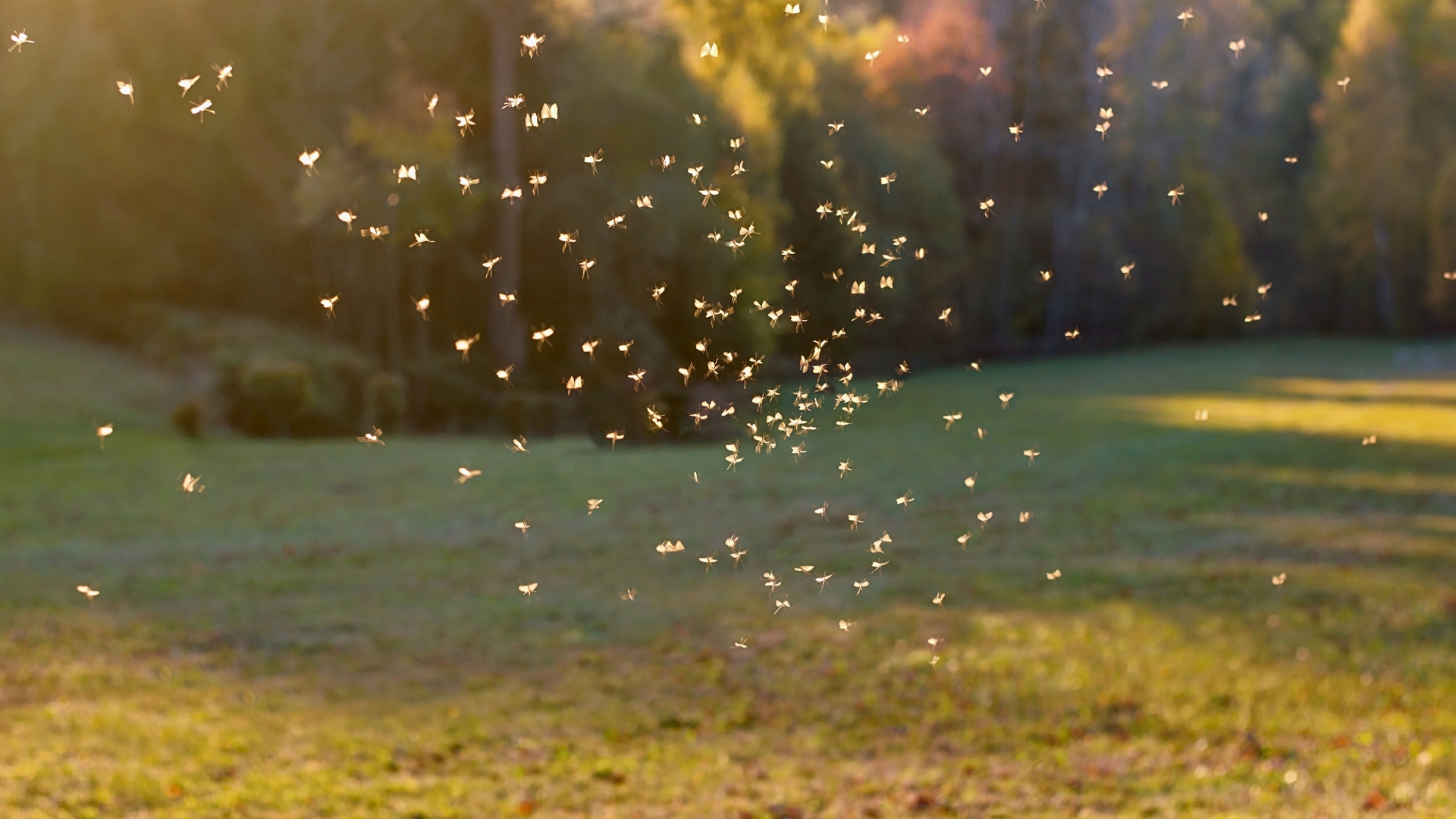
Increasingly found in parts of Memphis as warming seasonal patterns create suitable habitat.
Key traits:
Aggressive daytime biter.
Recognizable by its black body with white markings.
Breeds in small containers around homes — buckets, tires, gutters, and shaded yard items.
Known globally for spreading Zika, Dengue, and Chikungunya, though local transmission is rare.
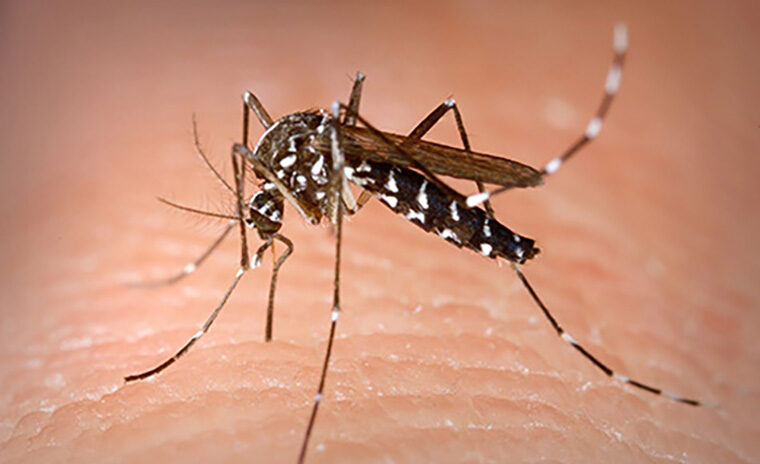
One of the most aggressive and widespread species in the Memphis metro.
Key traits:
Active during daylight hours, especially in shaded areas.
Thrives in suburban neighborhoods and container-rich environments.
Populations surge after rainfall and during humid summer days.
Persistent nuisance biter with strong host-seeking behavior.
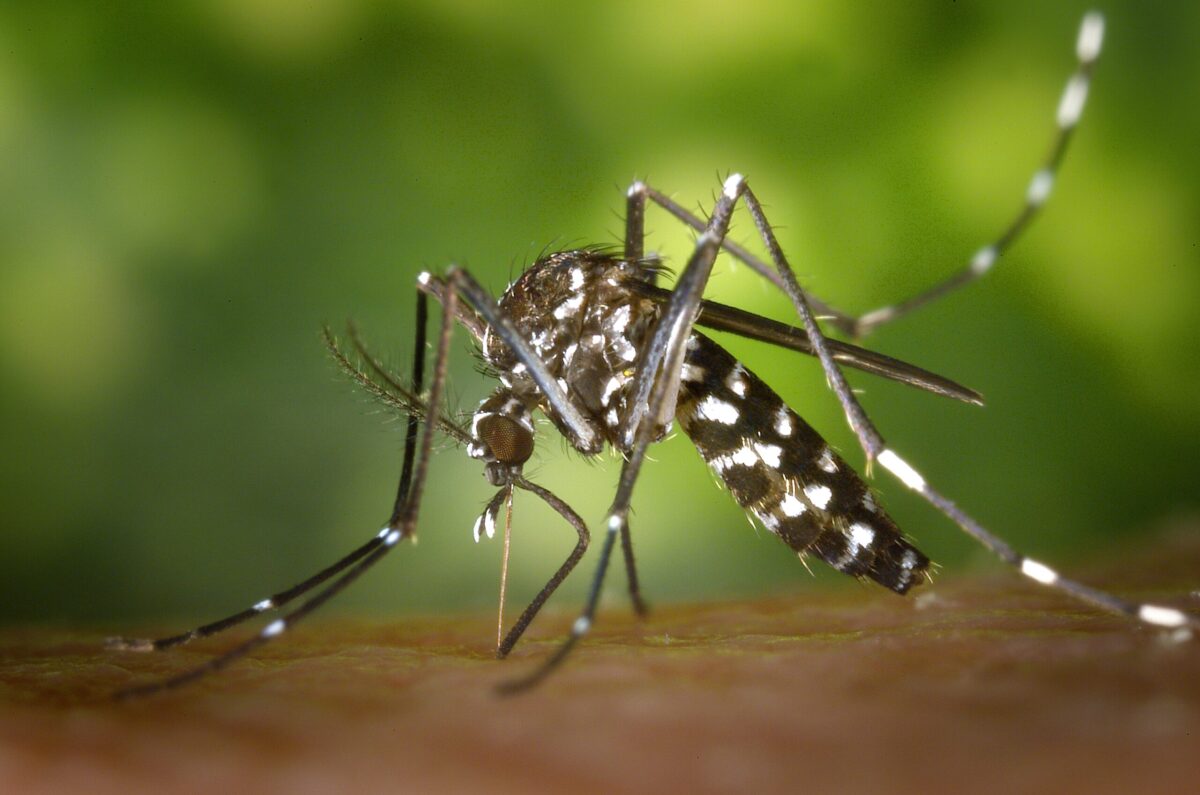
Plentiful throughout Shelby County, especially after storms and flooding events.
Key traits:
Emerges in large numbers when low-lying areas fill with water.
Bites aggressively at dusk, dawn, and shaded daytime areas.
Common along the Mississippi River, parks, and greenway trails.
Not a significant disease vector but a major seasonal nuisance.
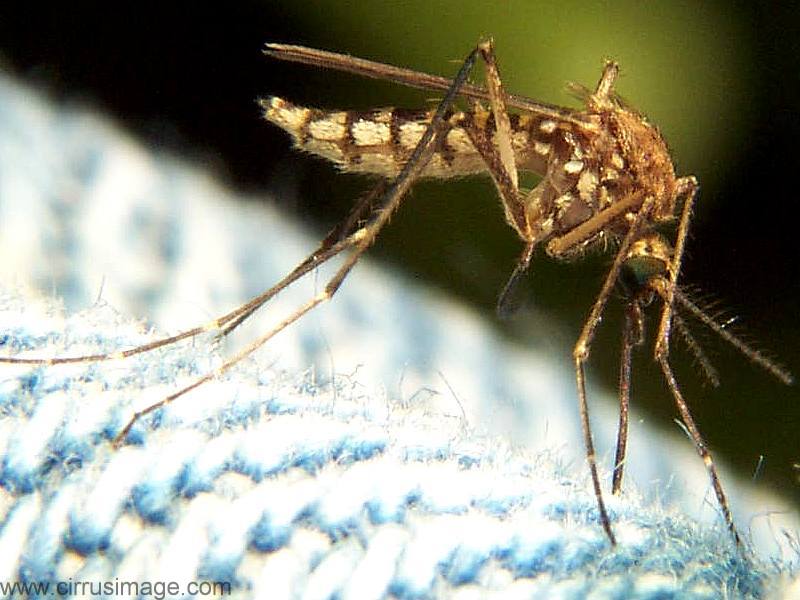
A primary mosquito tied to West Nile virus activity in the Memphis region.
Key traits:
Breeds in stagnant water with organic material — storm drains, gutters, birdbaths, and containers.
Highly active during nighttime and warm late-summer evenings.
Populations increase steadily during hot, stagnant conditions.
Frequently monitored by Shelby County health officials.